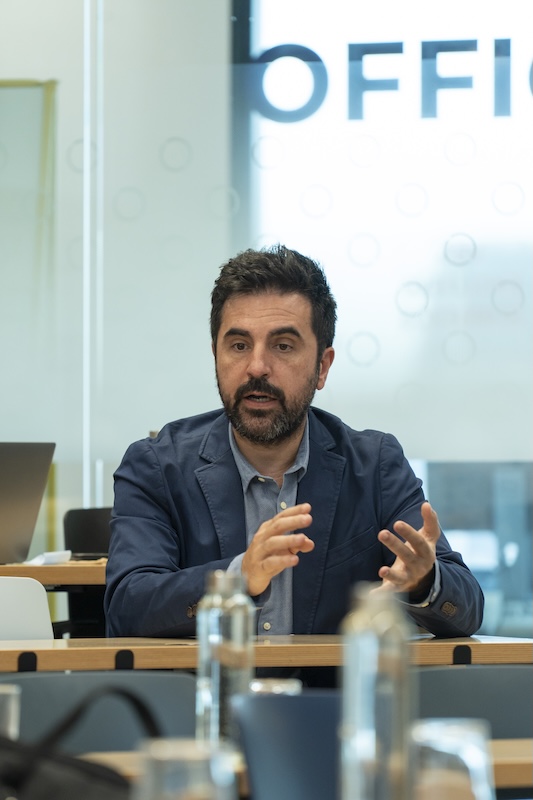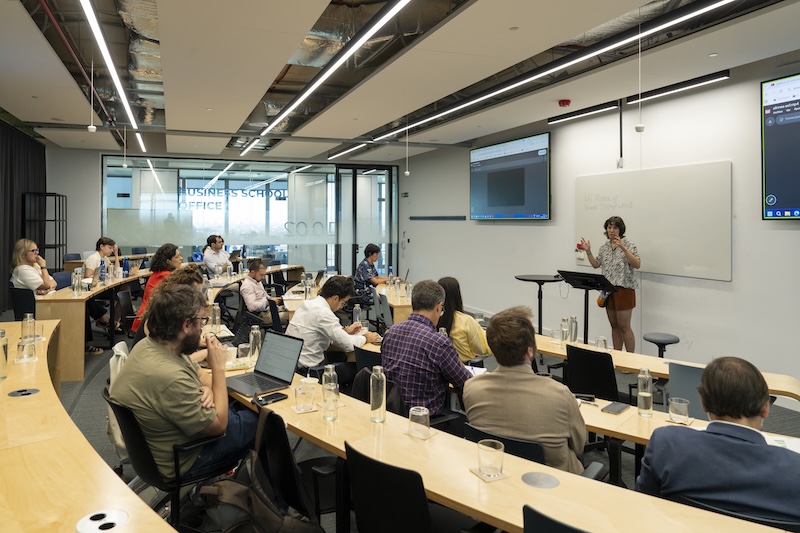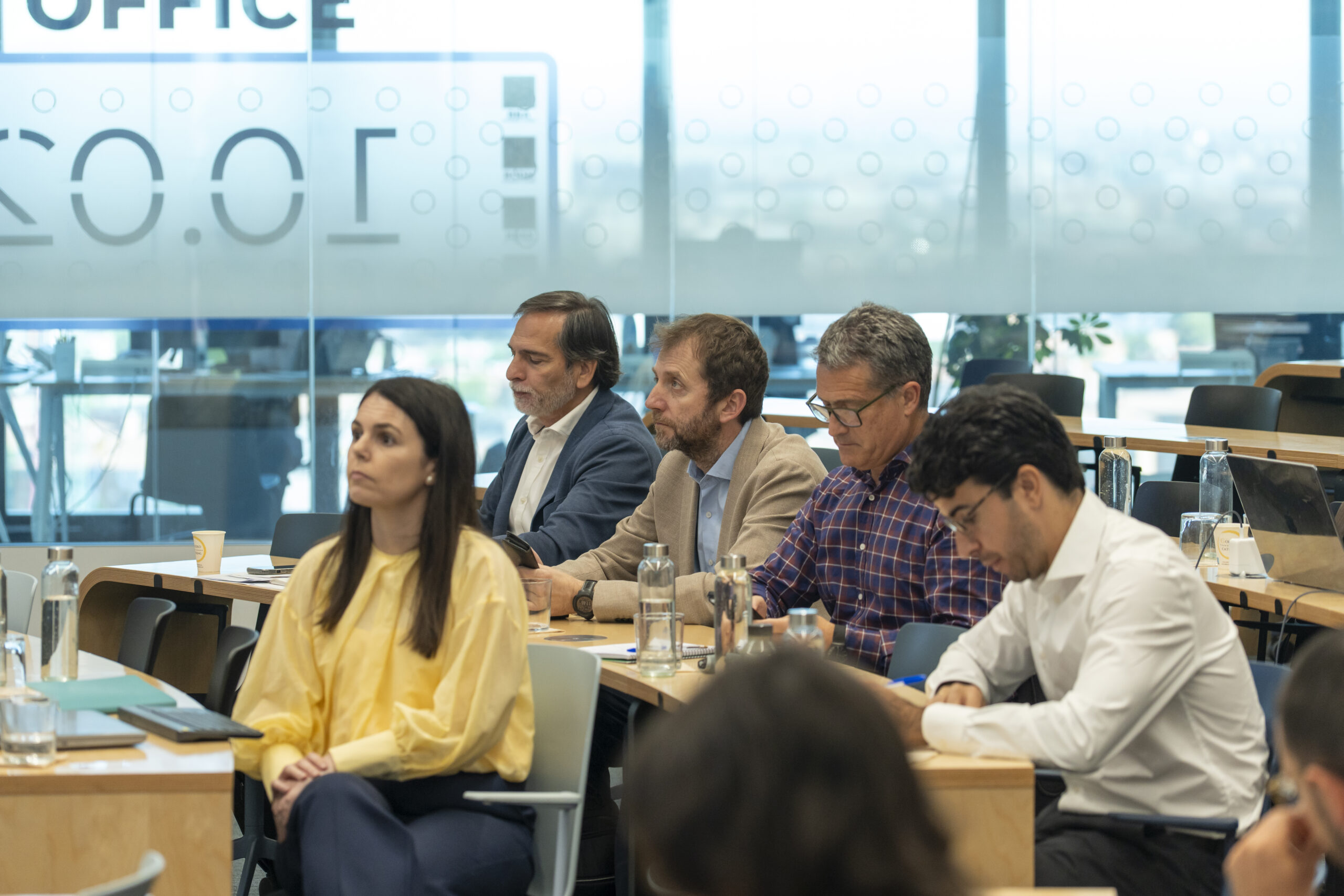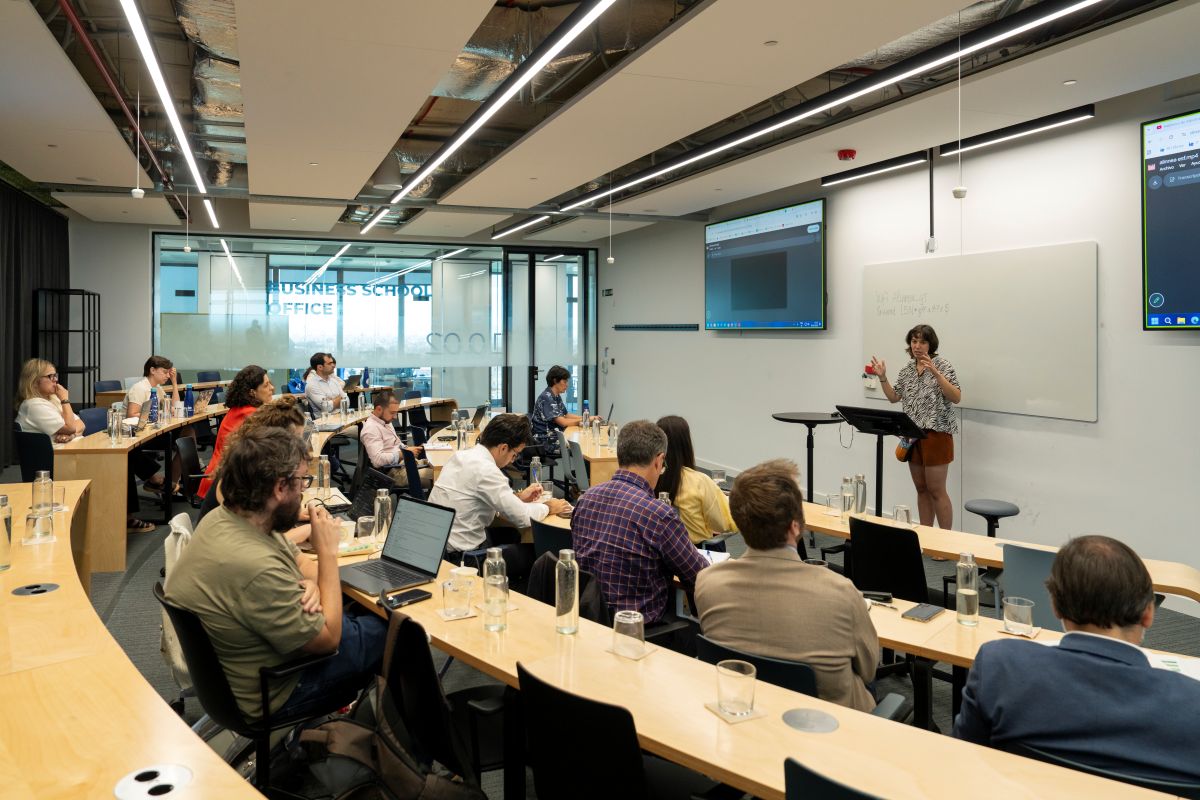
The Working Group on the Decarbonization of the Chemical Industry, promoted by alinnea, has concluded its sessions after several months of collaborative work aimed at identifying the conditions needed to accelerate the transformation of one of the most strategic sectors for the Spanish and European economies.
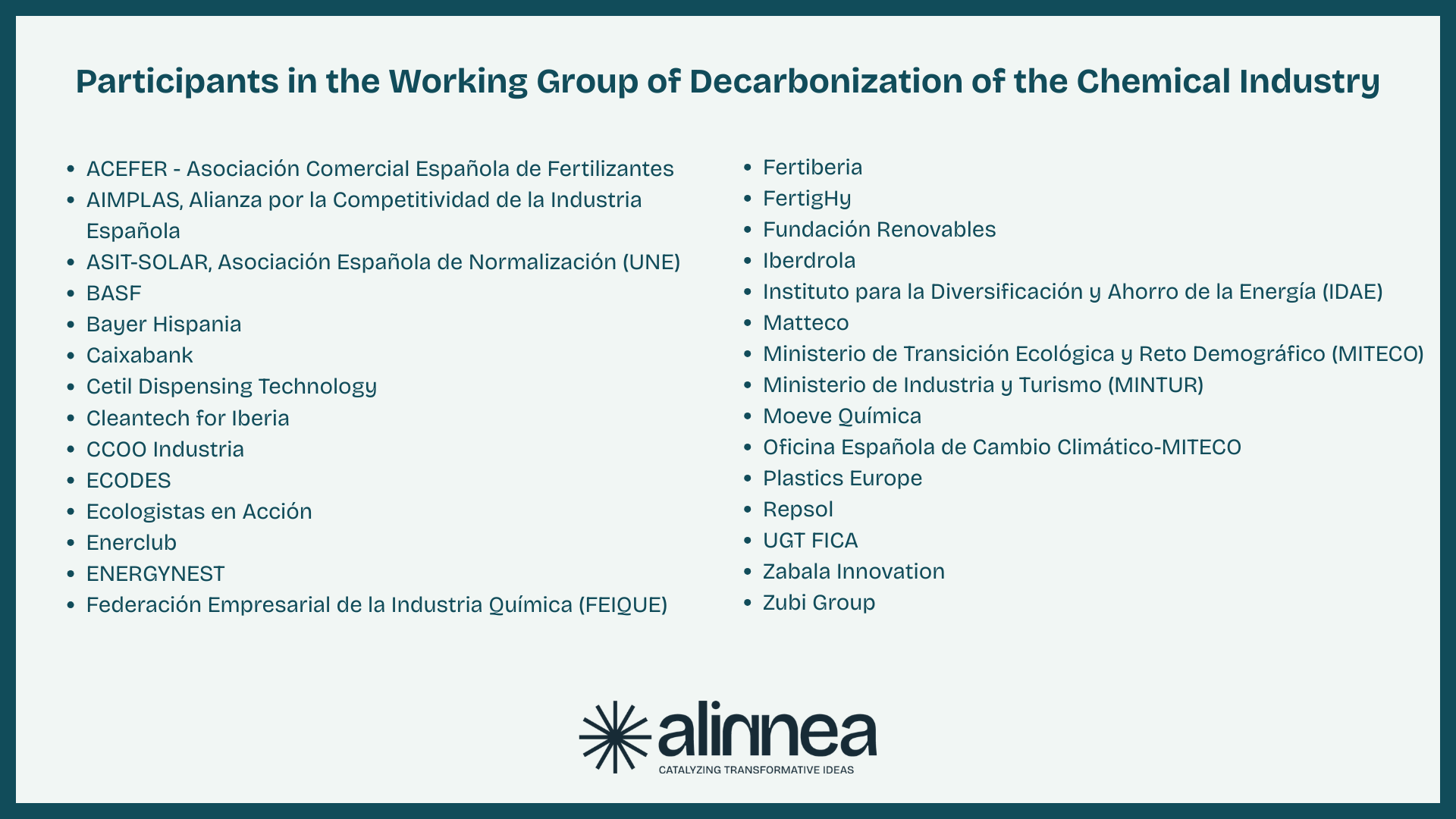
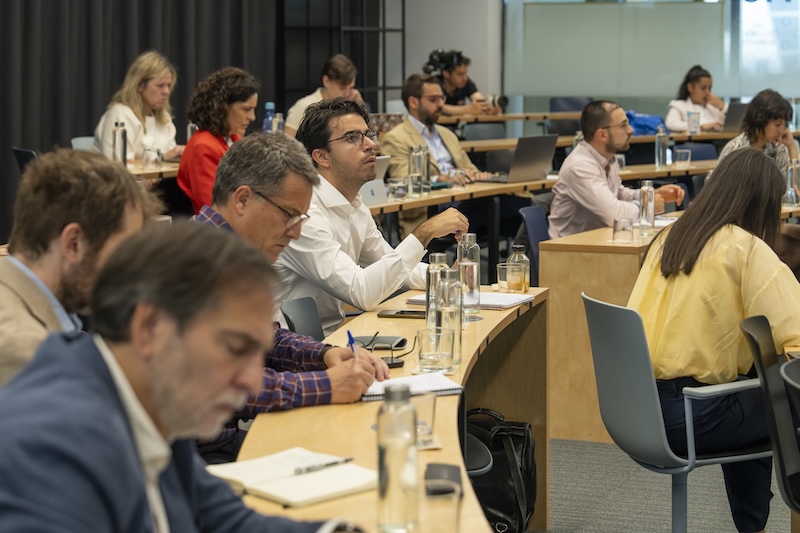
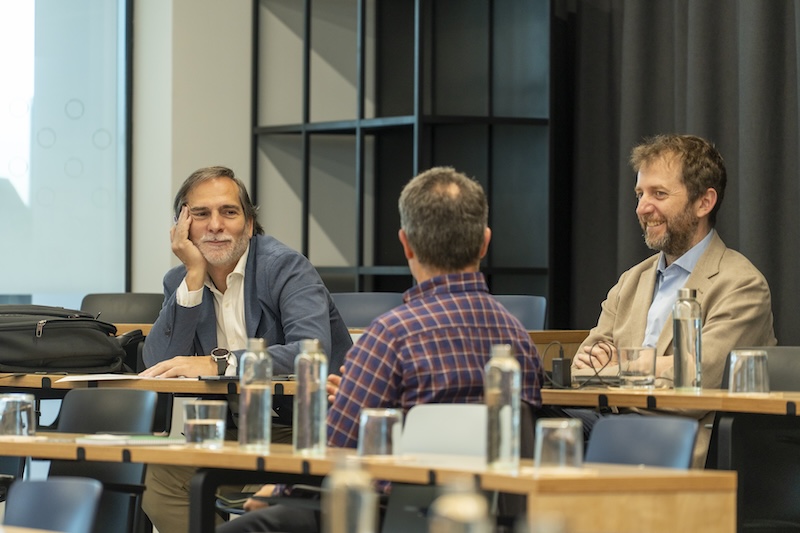
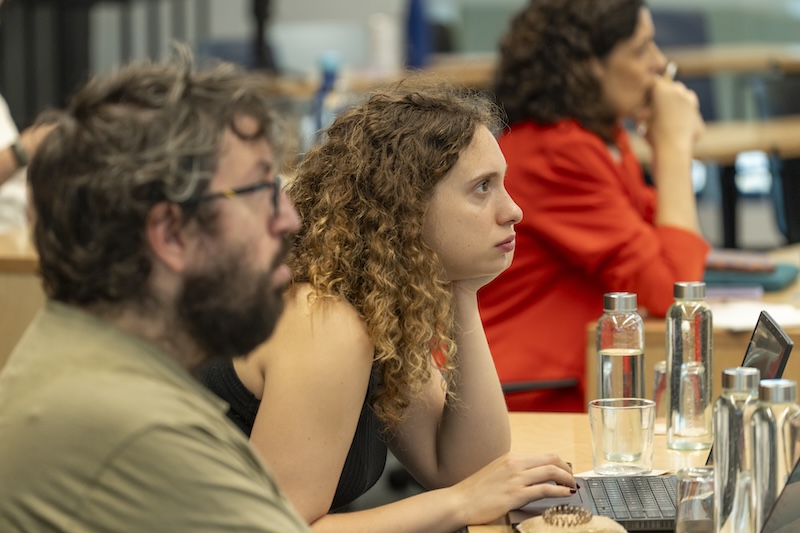
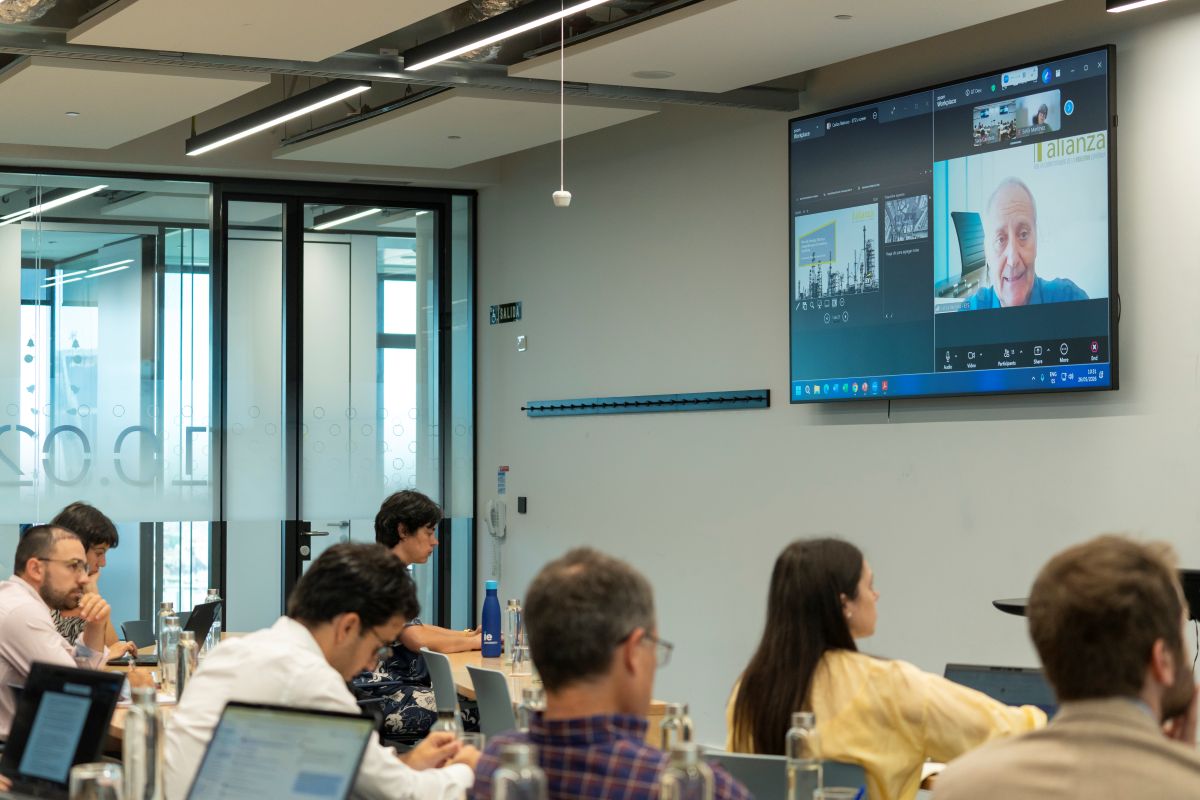
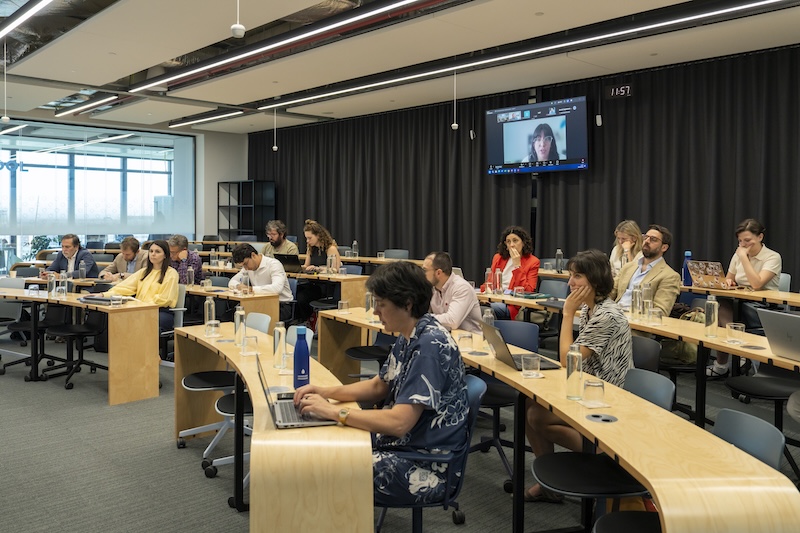
Over the course of three working sessions, representatives from companies, public administrations, industry associations, financial institutions, trade unions, knowledge centers, and civil society organizations shared assessments, analyzed barriers, and explored potential pathways to support the transition toward a more competitive, resilient, and climate-neutral chemical industry.
One of the key conclusions emerging from the process was that the decarbonization of the chemical industry cannot be understood solely as an environmental or technological challenge. Participants agreed that it represents a strategic transformation with implications for industrial competitiveness, strategic autonomy, security of supply, innovation, and employment. As a supplier of essential materials for sectors such as agriculture, energy, mobility, construction, and healthcare, the industry’s transformation is also a prerequisite for the decarbonization of the wider economy.
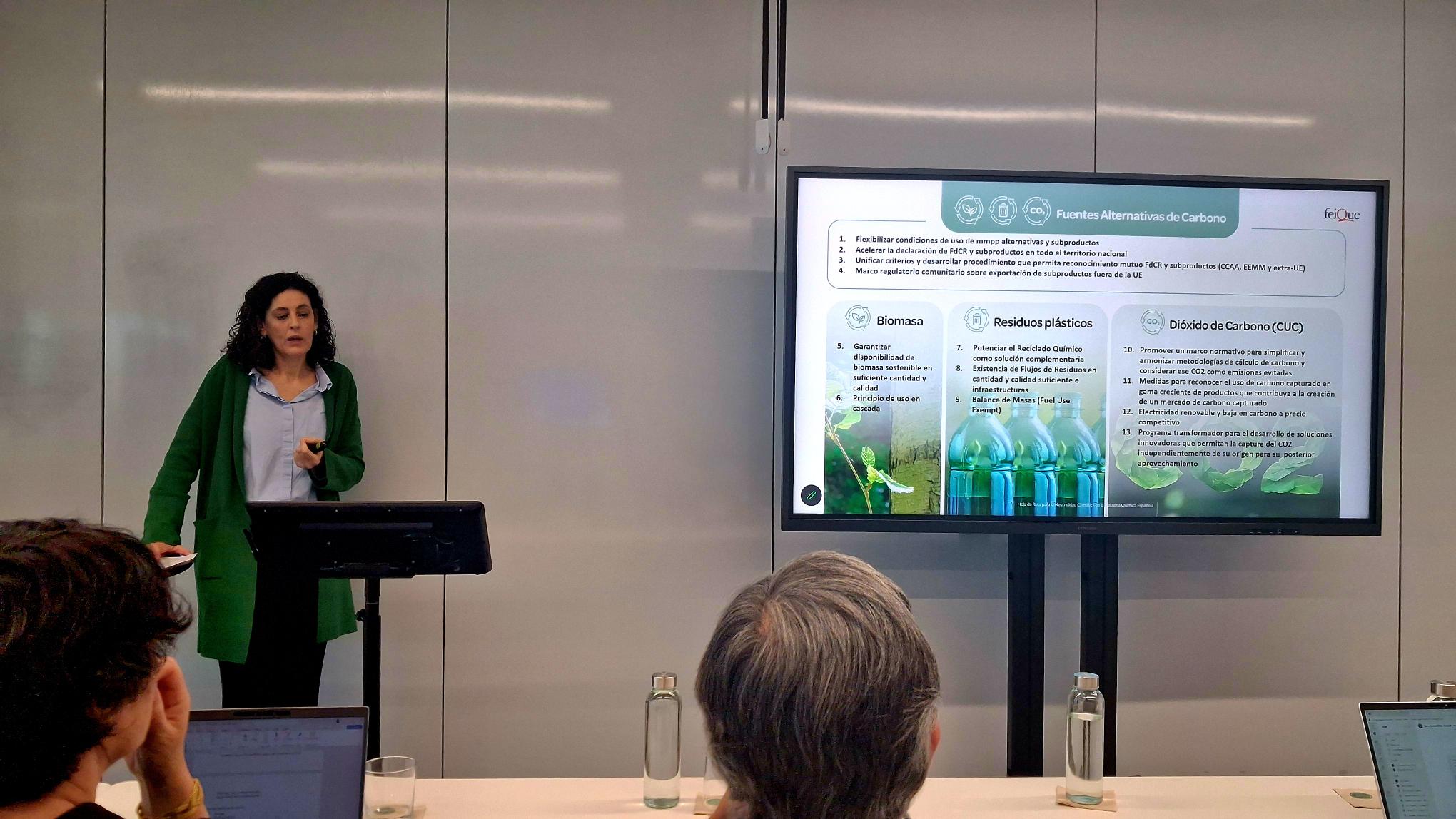
The group examined the different technological pathways available to reduce emissions and advance toward climate neutrality. Discussions explored the role of energy efficiency, industrial electrification, renewable hydrogen, renewable and synthetic fuels, carbon capture, utilization and storage (CCUS), chemical recycling, circular feedstocks, and other complementary solutions. Participants consistently emphasized that there is no single decarbonization pathway applicable across the entire chemical industry. Instead, achieving climate neutrality will require a combination of technologies and strategies whose viability will depend on the specific characteristics of each subsector and production process.
Alongside technological challenges, the group focused on the enabling conditions required to deploy these solutions at industrial scale. Key barriers identified included high energy costs, infrastructure availability, regulatory uncertainty, challenges in mobilizing investment, insufficient demand for low-carbon products, and the need to develop robust systems for measurement, certification, and traceability that can appropriately recognize the value of decarbonized and circular solutions.
The discussions also addressed the role of public and private finance, risk mitigation mechanisms, European industrial policy, and instruments designed to strengthen the competitiveness of the chemical industry in an international context marked by growing geopolitical tensions and intense global competition. In this regard, participants highlighted the importance of stable regulatory frameworks, affordable energy, support mechanisms tailored to the real needs of projects, and policies capable of stimulating demand for low-carbon products.
The group also incorporated reflections on the territorial and social dimensions of the transition, addressing issues related to social acceptance, circularity, environmental quality, job creation, and the need to build transformation processes that integrate diverse perspectives and strengthen the legitimacy of the changes required to achieve climate objectives.
Among the main conclusions reached during the process was the need to approach chemical industry decarbonization through a holistic perspective that combines climate ambition, industrial competitiveness, technological innovation, economic resilience, and social cohesion. Participants agreed that the success of this transformation will depend not only on the availability of technological solutions but also on the ability to create the economic, regulatory, and institutional conditions necessary for their effective deployment.
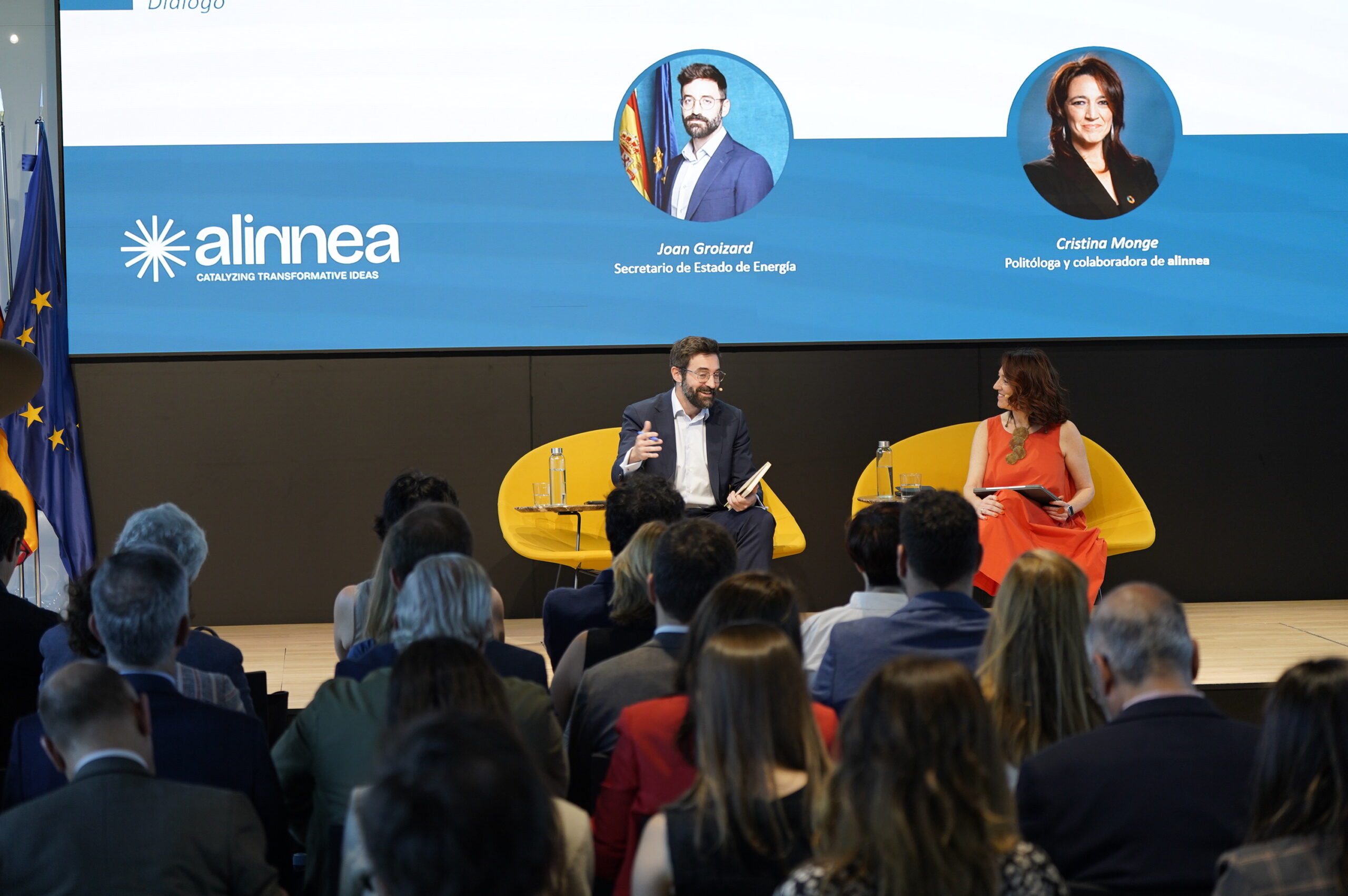
As a continuation of this process, participants will meet in the coming weeks for an additional session to review and provide feedback on the draft roadmap developed from the contributions gathered throughout the working group. The document will compile the main recommendations and proposals identified to accelerate the decarbonization of the chemical industry in Spain and will serve as a foundation for future dialogue and collaboration initiatives among the various stakeholders involved.
At alinnea, we would like to thank all the organizations and professionals who contributed their expertise, knowledge, and vision to this collective dialogue process. The transformation of the chemical industry will require collaboration, innovation, investment, and a shared vision capable of integrating competitiveness, sustainability, and long-term prosperity.