Home / alinnea launches a Working Group on the decarbonisation of the chemical industry
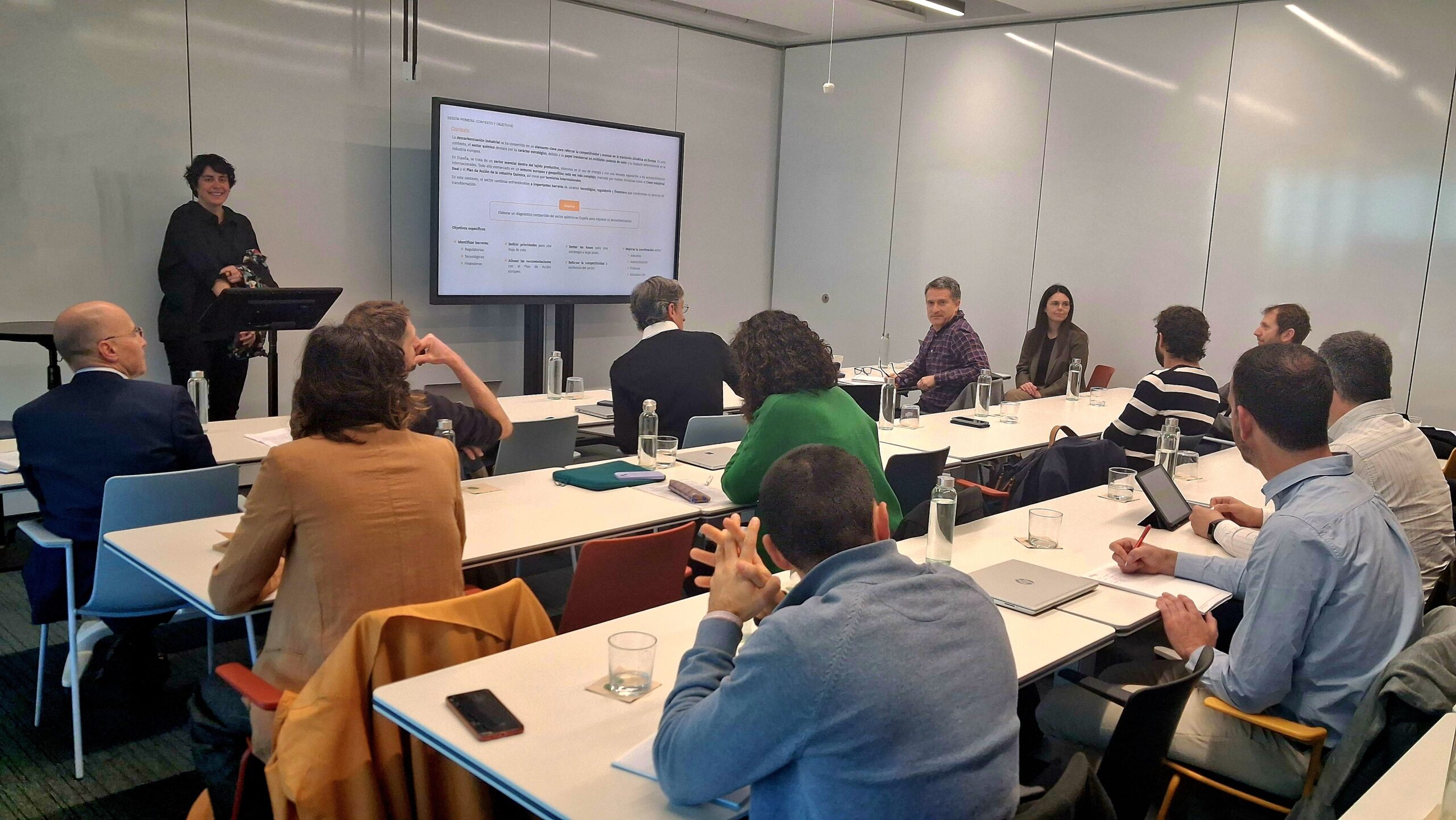
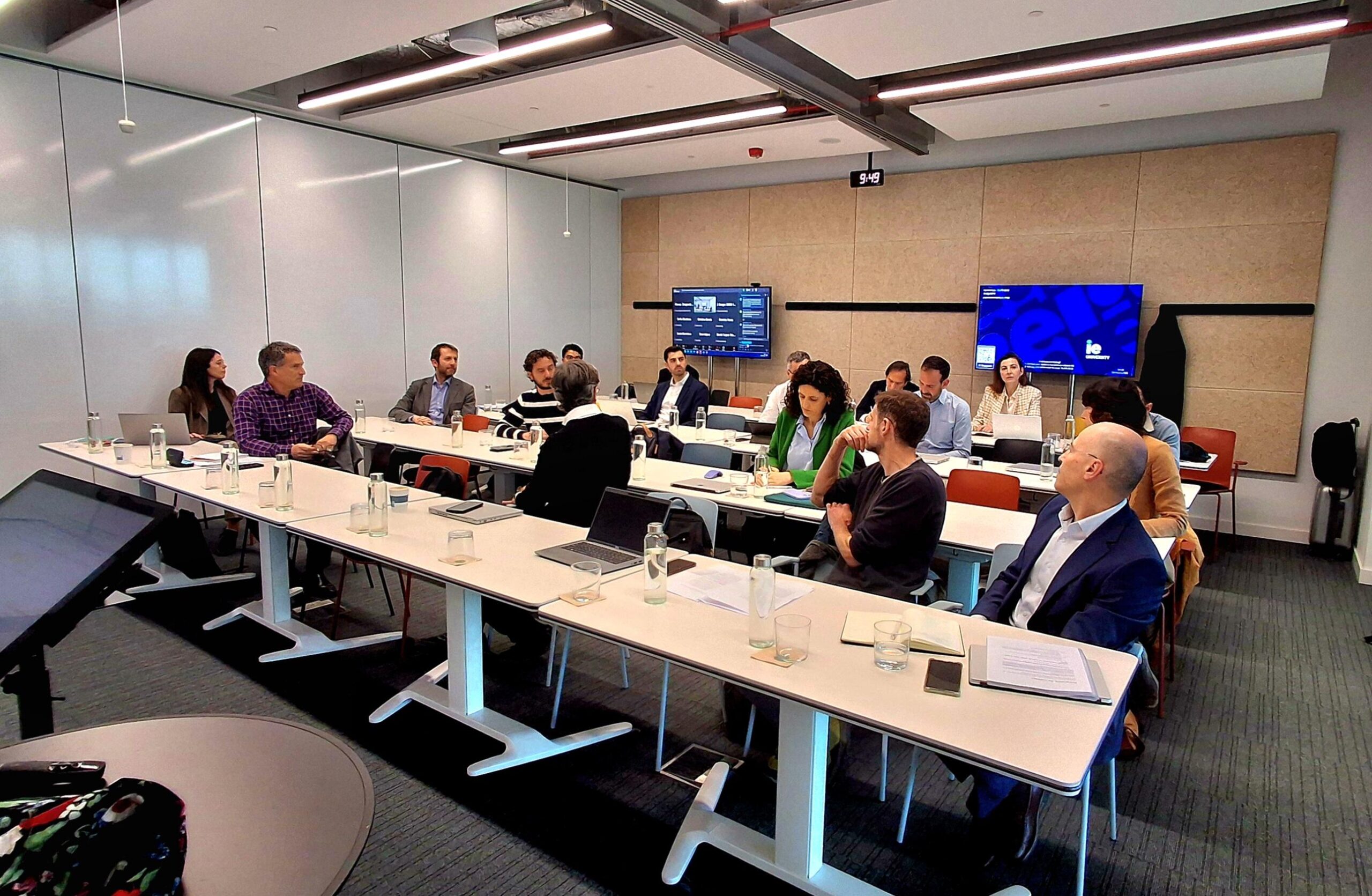
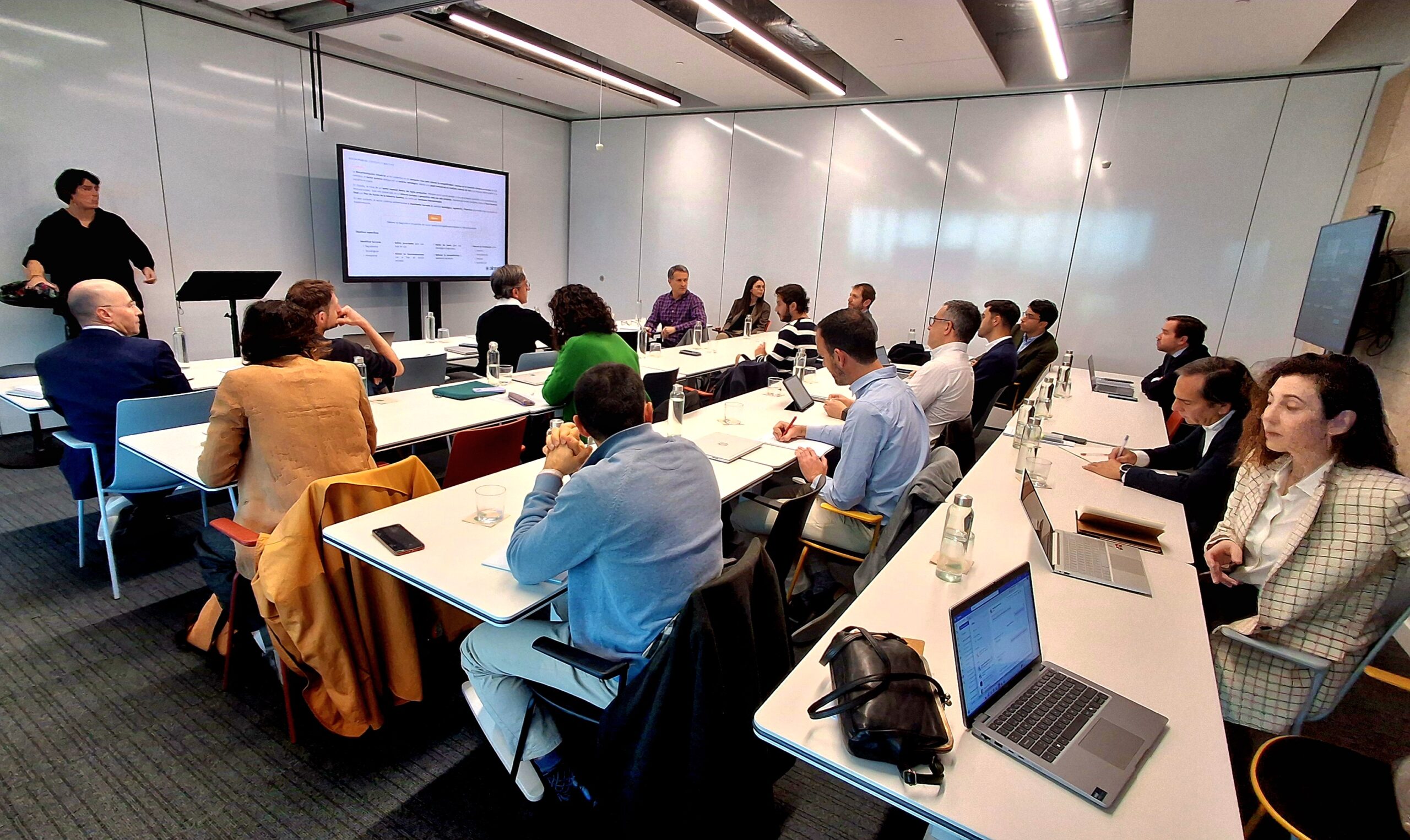
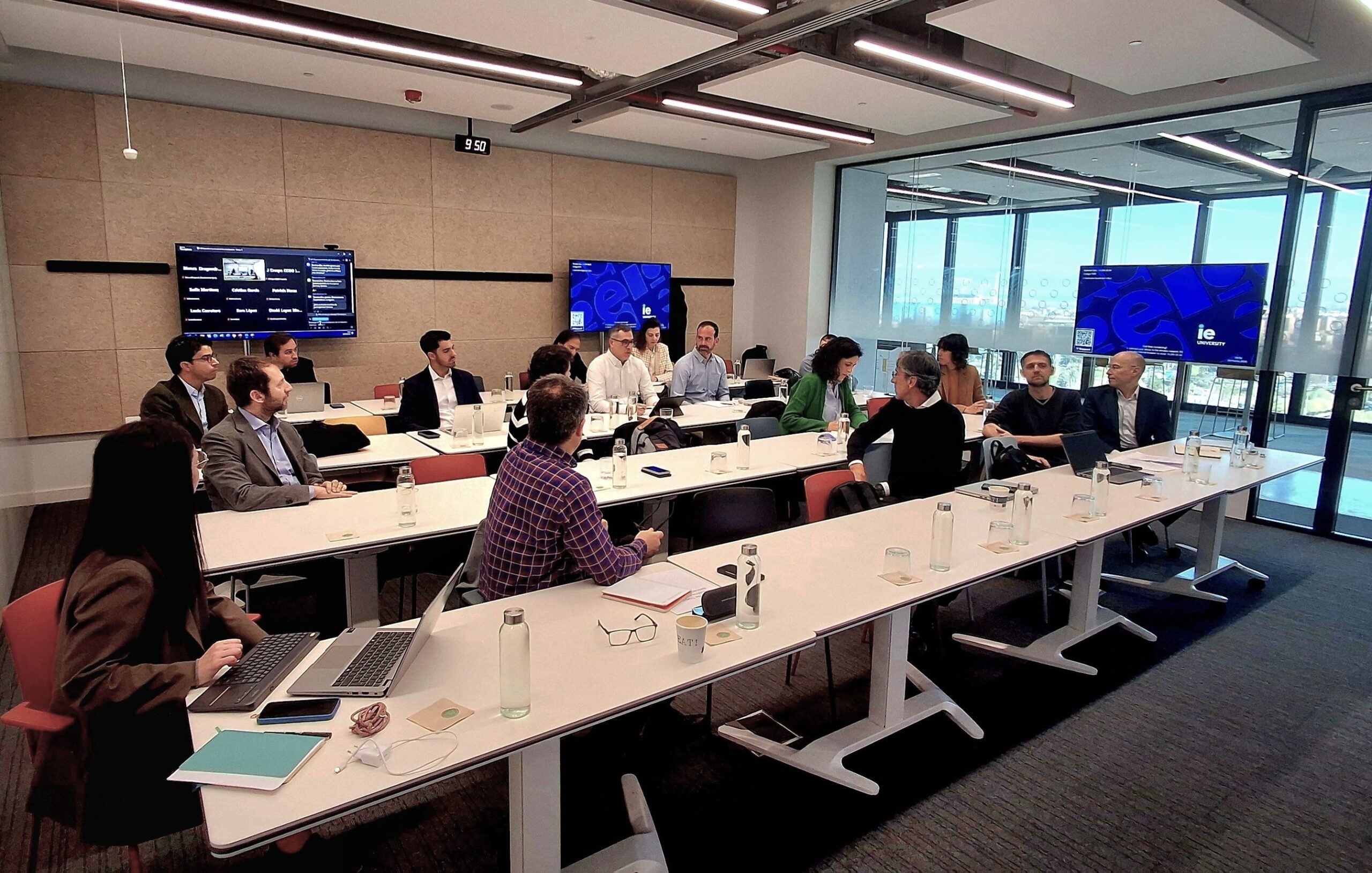
alinnea has launched its Working Group on the Decarbonisation of the Chemical Industry with the first session of a multi-stakeholder dialogue process aimed at building a shared diagnosis and developing strategic recommendations to accelerate the sector’s transformation in Spain.
The first session brought together representatives from the industrial, energy and financial sectors, alongside public administrations, social partners, environmental organisations and academia, creating a space for analysis and dialogue around one of the most complex challenges of the climate transition.
Industrial decarbonisation is a central pillar of Europe’s economic and climate transformation, and the chemical sector plays a strategic role due to both its energy intensity and its cross-cutting importance across multiple value chains. As outlined in the group’s background document, the chemical industry accounts for around 5% of greenhouse gas emissions in the European Union and supplies nearly all productive sectors, reinforcing its role as the “industry of industries” .
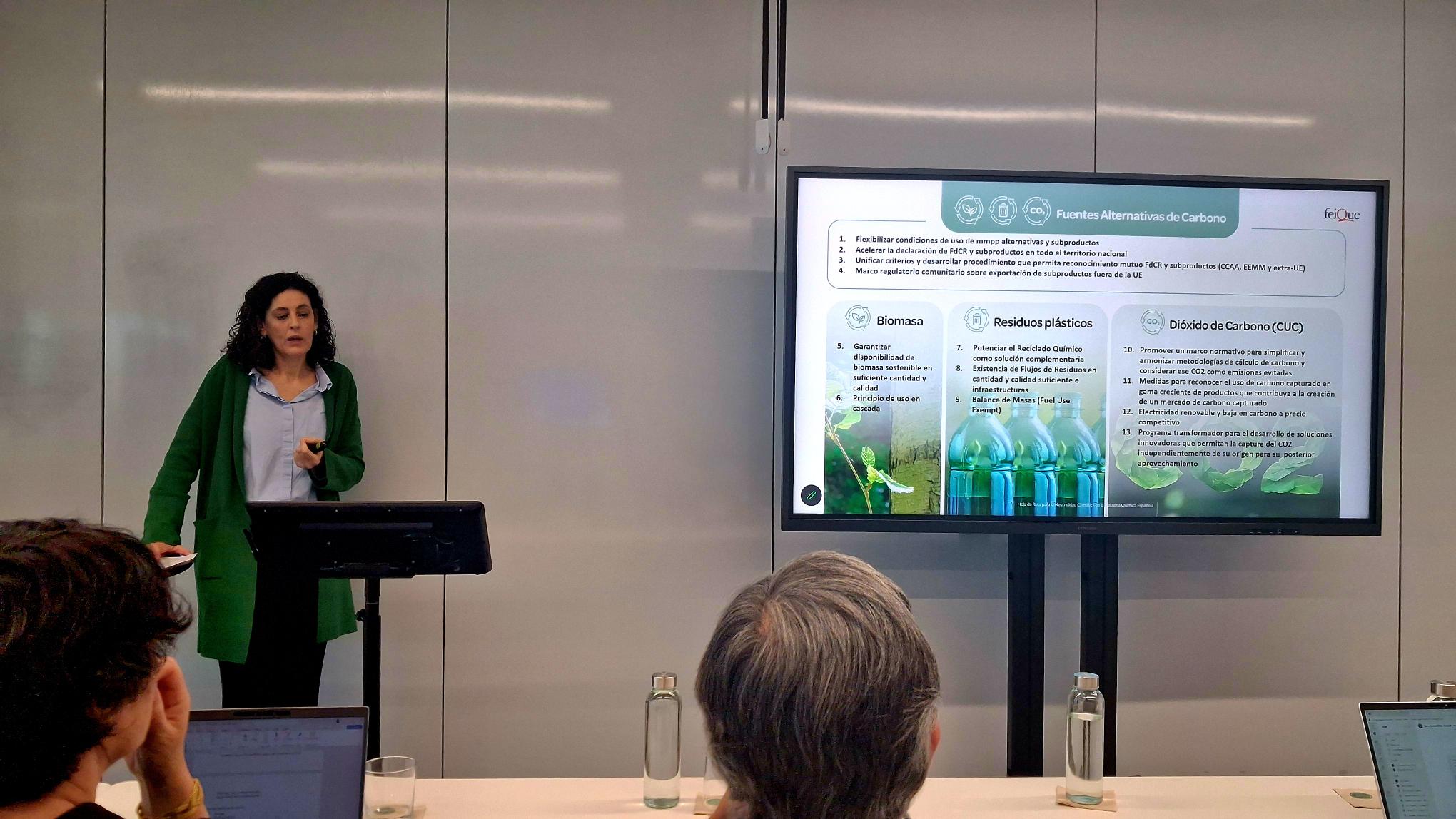
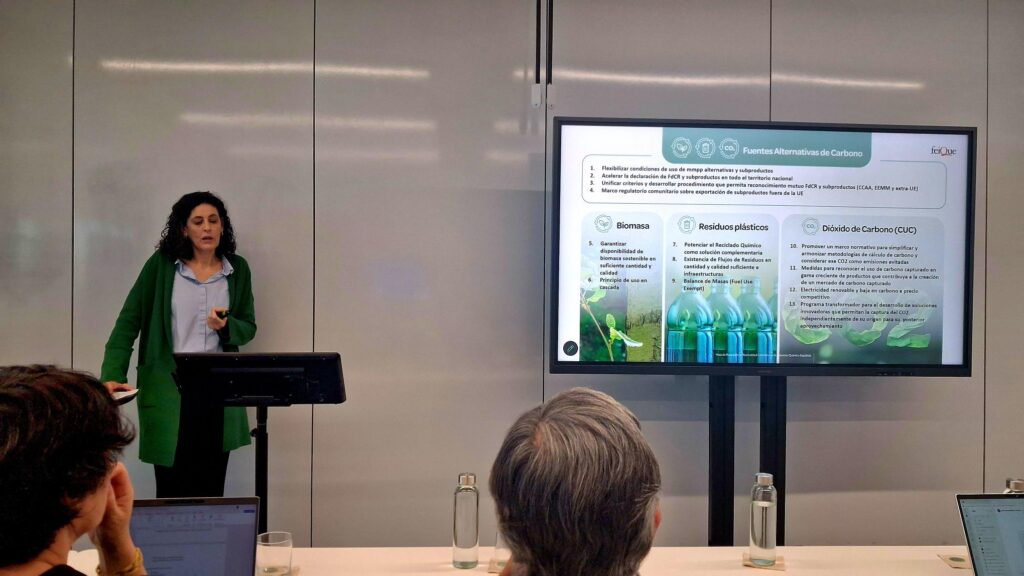
In this context, the session explored the role of the sector in both the European and Spanish economies, as well as the main decarbonisation pathways, including process electrification, the use of renewable hydrogen, carbon capture, utilisation and storage (CCUS), energy efficiency and the transition towards circular economy models.
The discussion also focused on competitiveness challenges in a global context characterised by high energy costs, regulatory pressure and increasing international competition, as well as on the social and territorial dimensions of the transition, including implications for employment, skills and industrial development.
One of the main outcomes of the session was the identification of a set of structural barriers that are shaping the sector’s pathway towards climate neutrality:
These elements reflect the complexity of the sector’s transformation and the need for a comprehensive approach combining public policy, technological innovation, financial instruments and coordinated action across stakeholders.
The working group is part of a broader agenda led by alinnea to facilitate evidence-based dialogue and contribute to the development of proposals that inform climate action and industrial policy. In line with its background document, the objective is to build a shared understanding of technological, regulatory and financial barriers, and to identify the key elements of a national roadmap aligned with European initiatives and capable of strengthening the sector’s competitiveness and resilience .
Over the coming sessions, the group will further explore enabling conditions for the transformation — including energy, technology and circularity — as well as the financial, regulatory and industrial policy instruments needed to make the transition viable.
Through this process, alinnea reinforces its role as a platform for dialogue and knowledge generation, contributing to the development of solutions that support a decarbonised, competitive and resilient chemical industry in Spain.