Home / alinnea holds its first event exclusively for members of its community
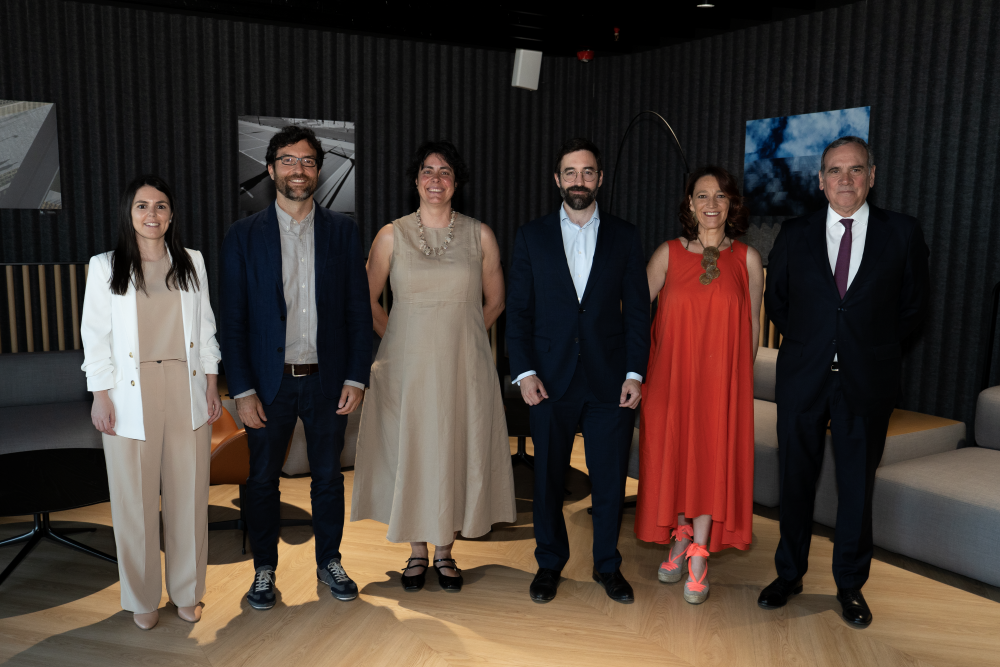
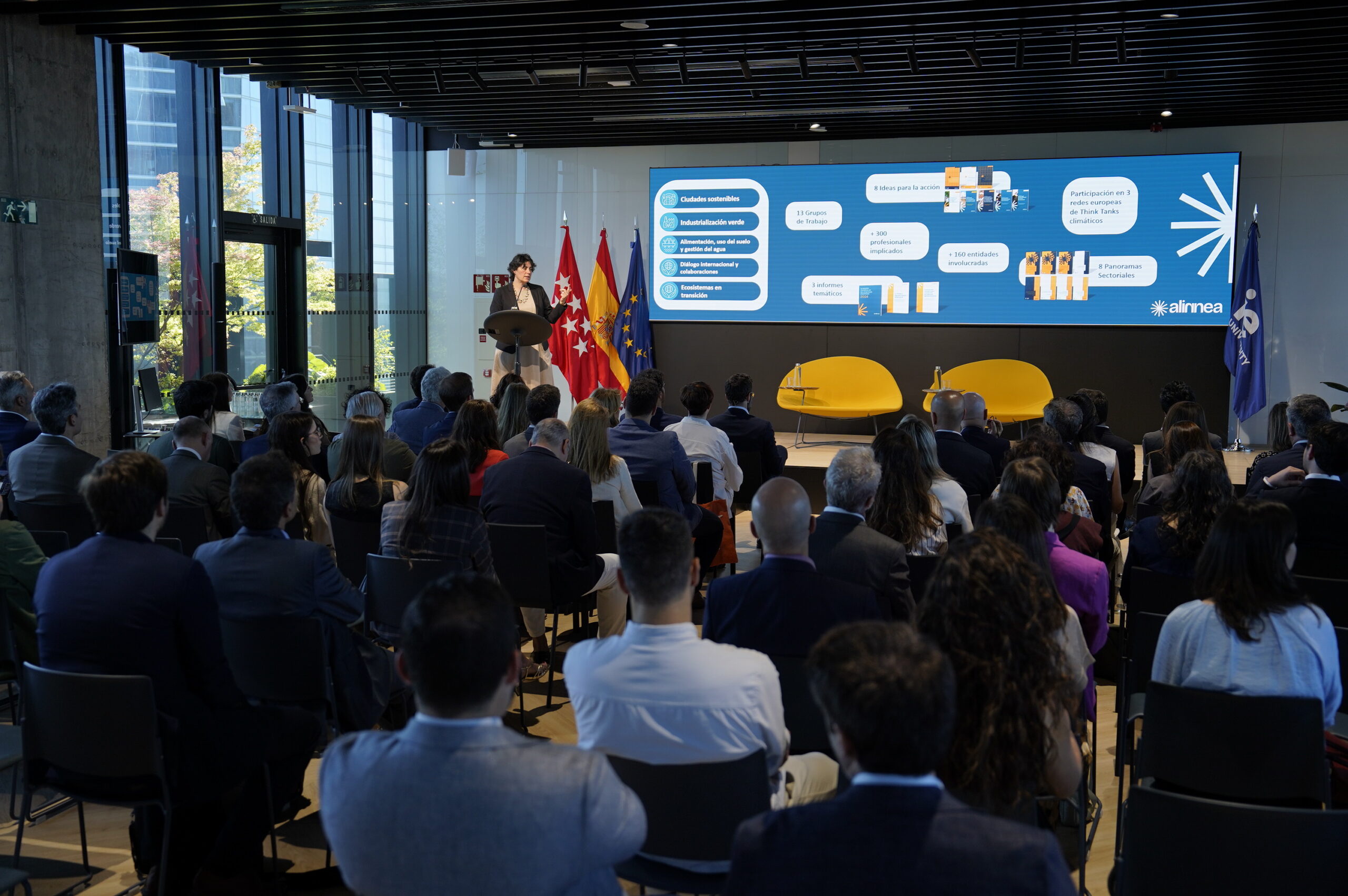
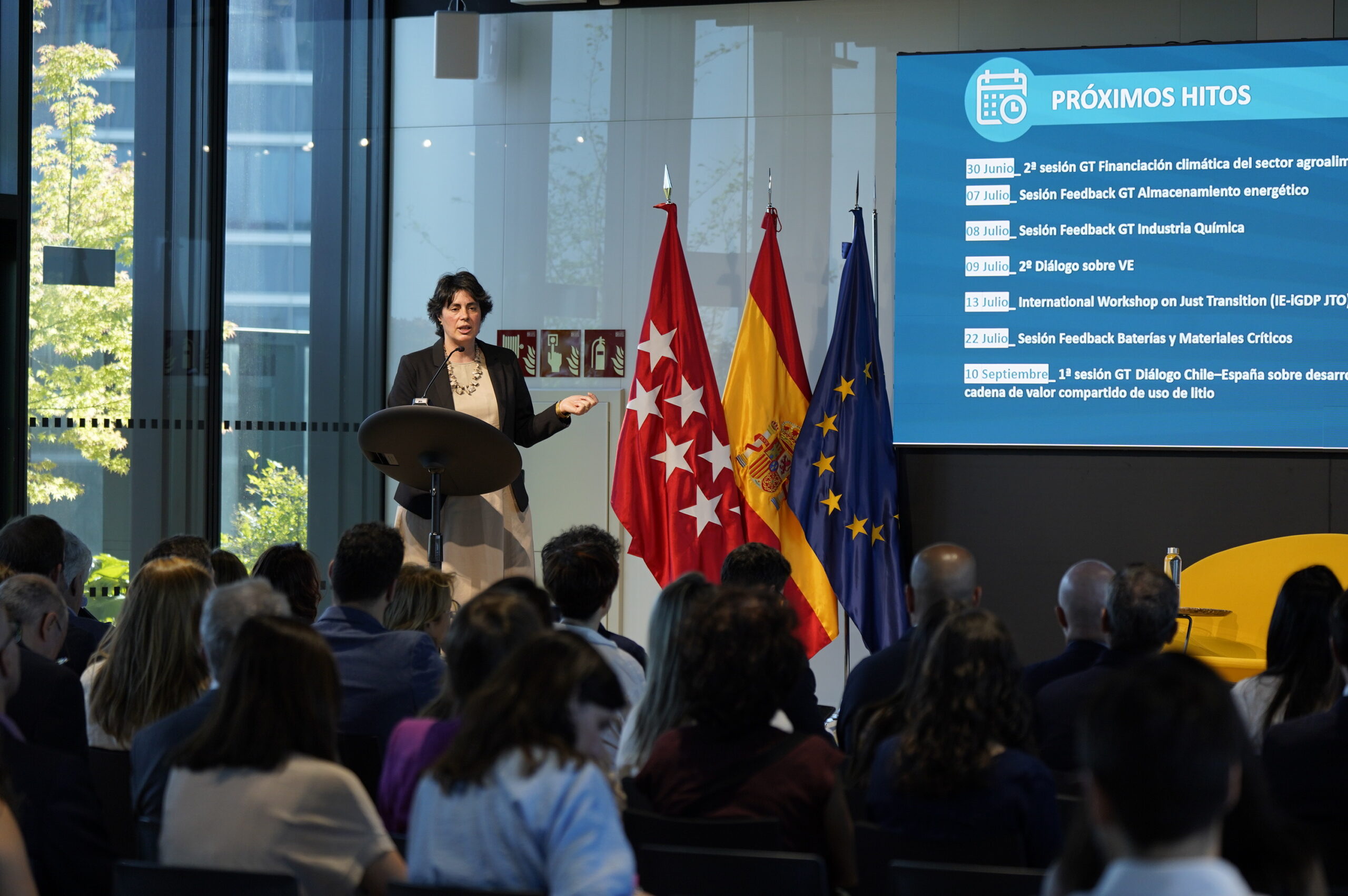
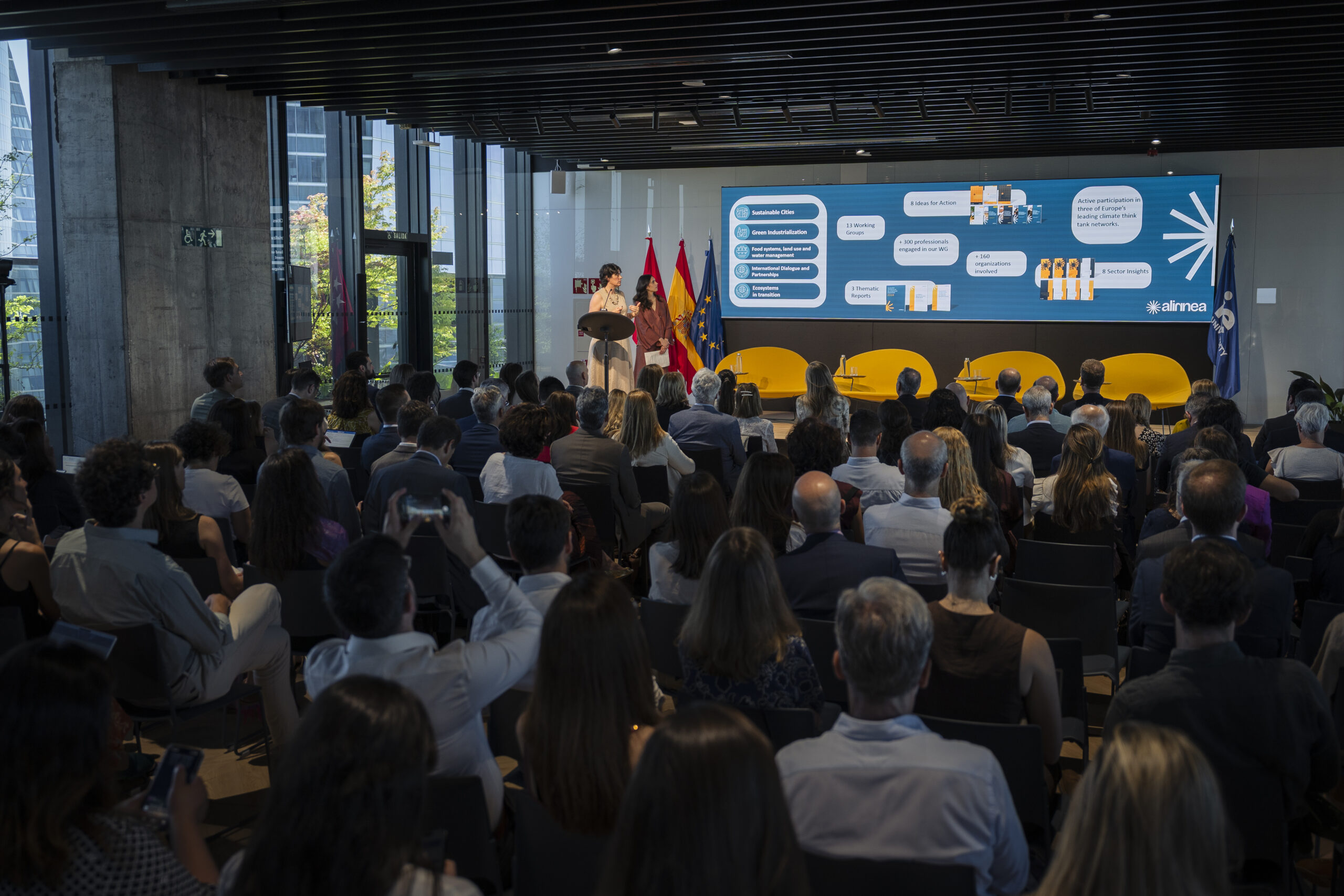
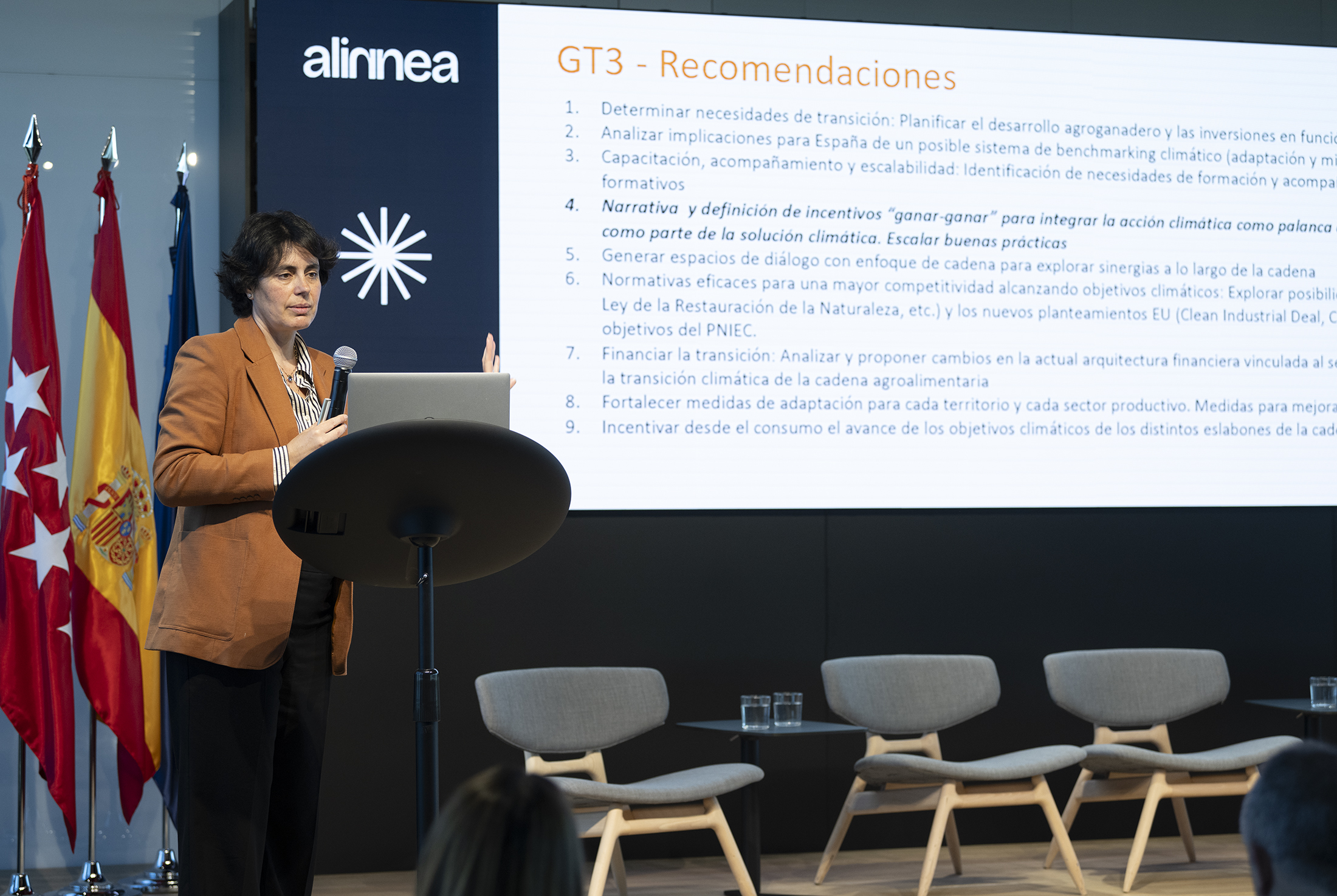
Yesterday, 18 June, alinnea held its first event specifically organised for the alinnea Community. The event brought together people who regularly participate in the initiative’s activities to reflect on some of the main challenges of the climate transition and to share their views on the present and future of alinnea.
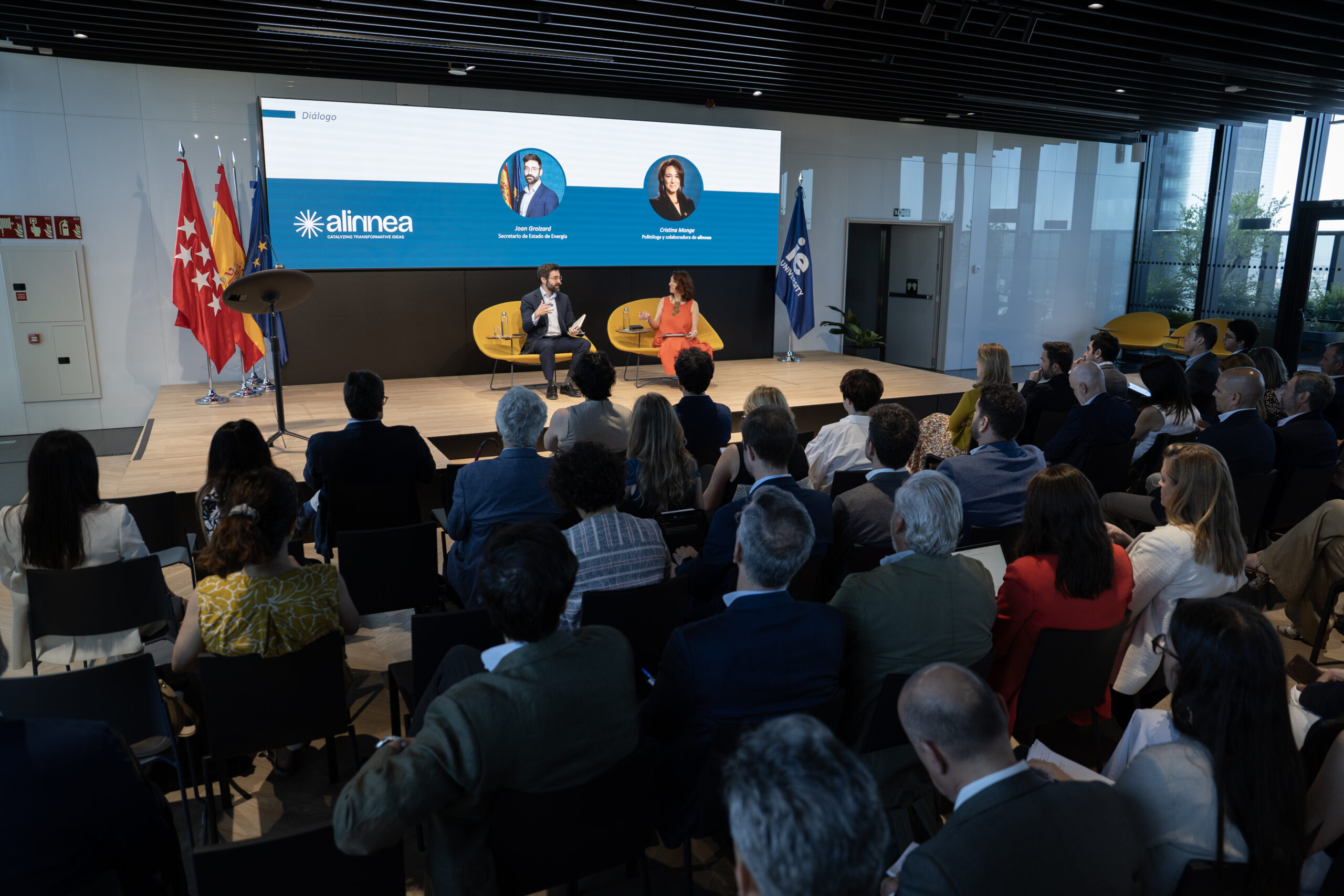
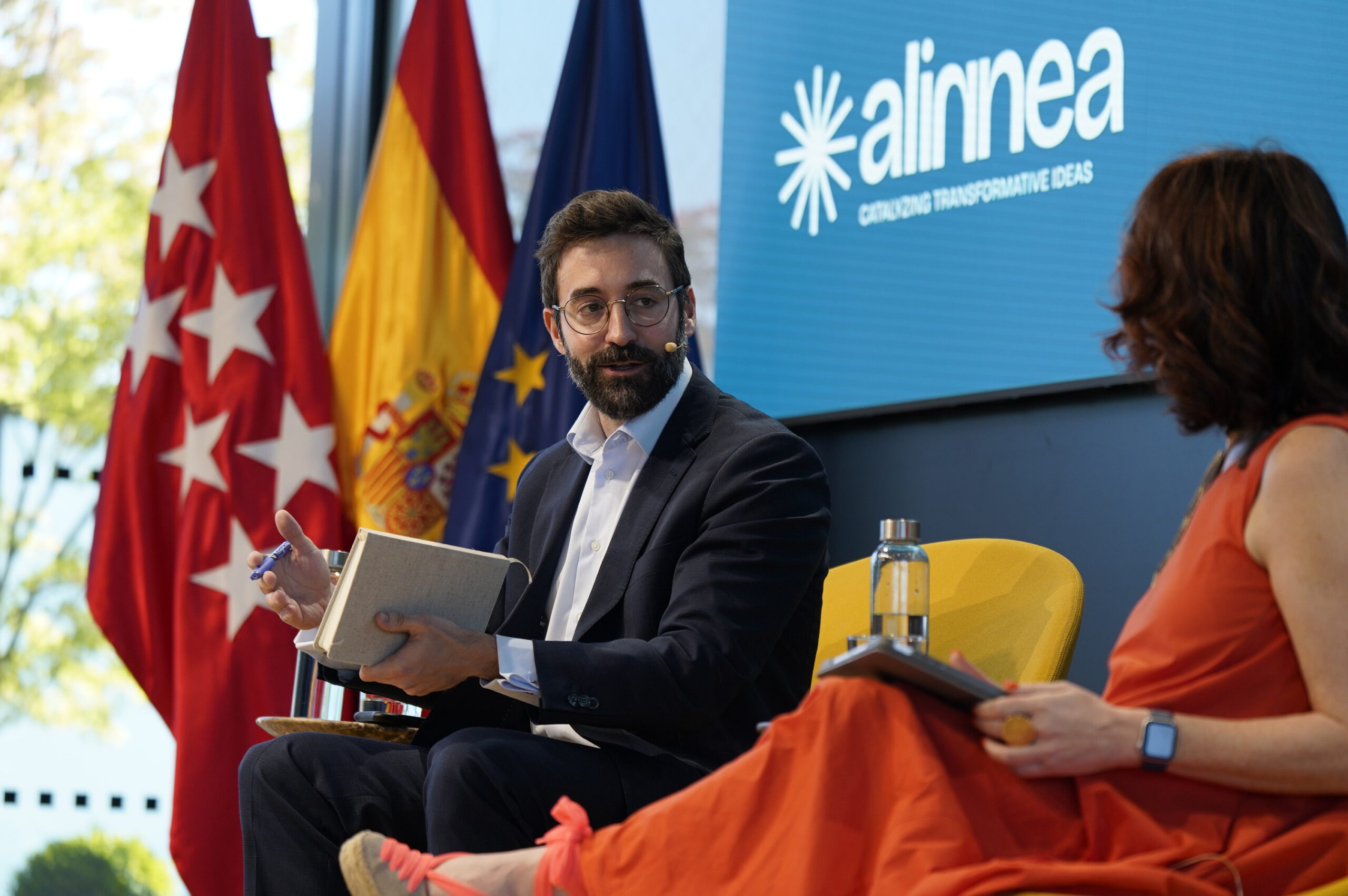
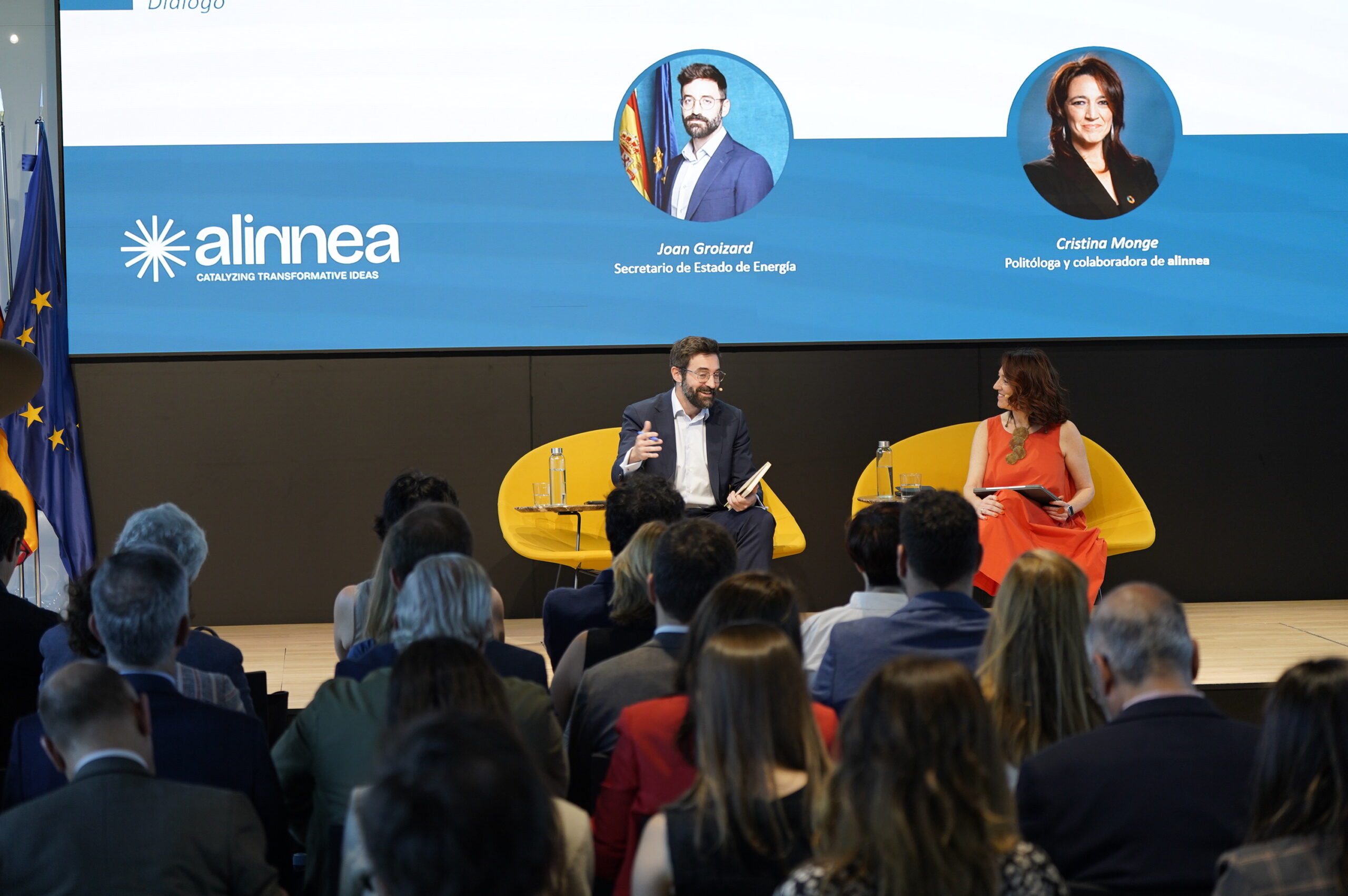
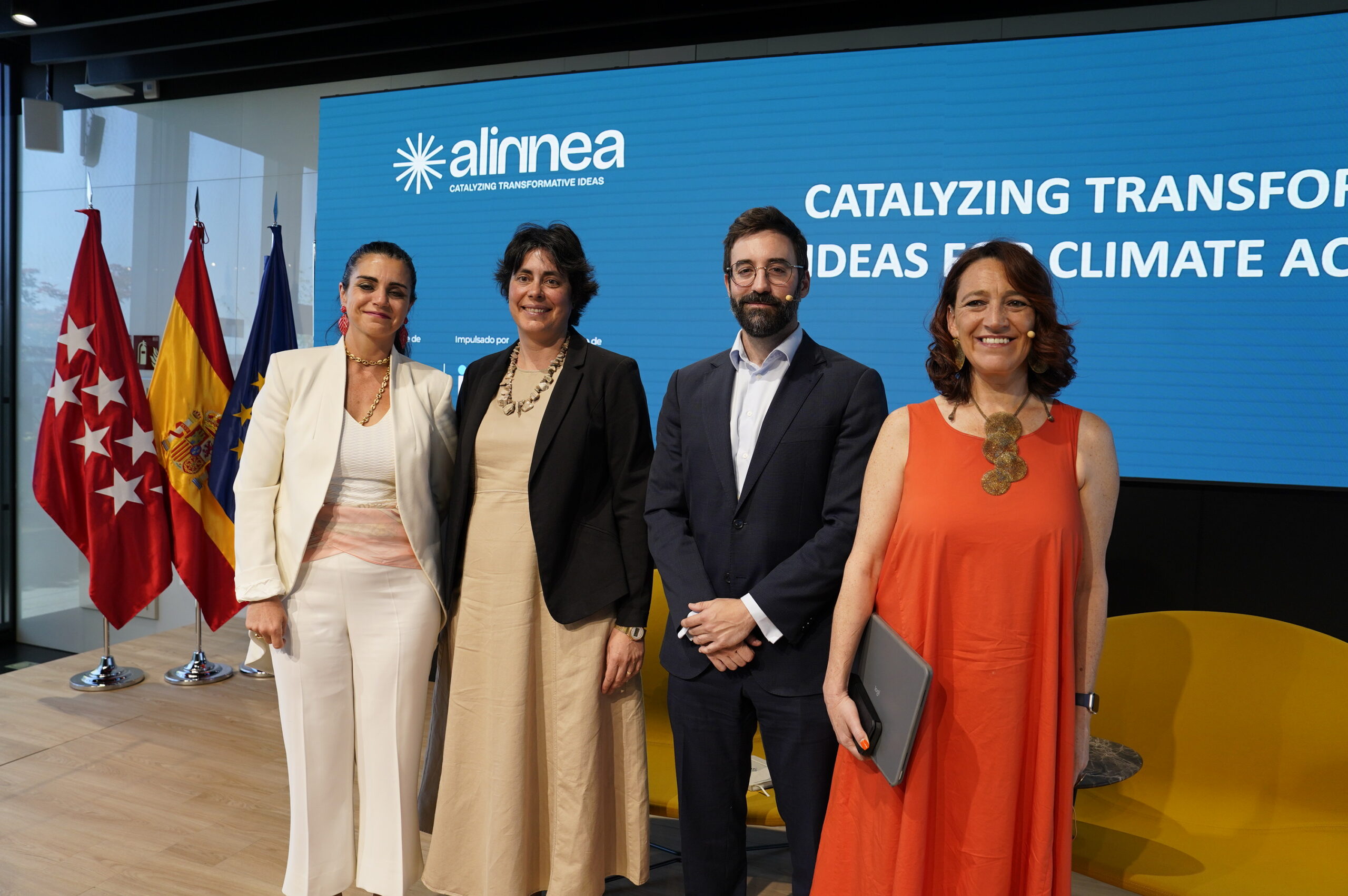
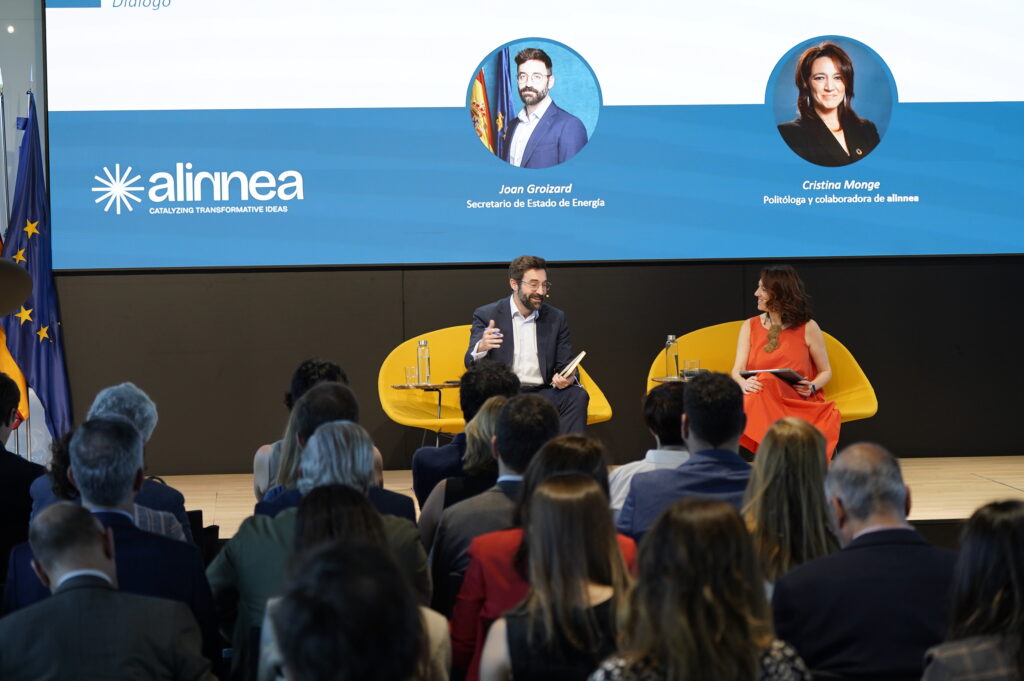
The event opened with a dialogue between Joan Groizard, Secretary of State for Energy, and Cristina Monge, political scientist, researcher in governance for the ecological transition and alinnea collaborator, who discussed some of the challenges that will shape the next phase of Spain’s energy transition.
The conversation started from an observation shared by many of the working groups promoted by alinnea in recent years: the debate is no longer primarily focused on climate targets or the availability of technologies, but rather on the ability to deploy them at scale, integrate them into the energy system and turn them into opportunities for competitiveness, resilience and well-being.
One of the central topics was the role of electricity grids and energy infrastructure. Groizard pointed out that many of today’s challenges cannot be explained solely by the need to build new infrastructure, but also by the importance of making more efficient use of the capacity already available. In this regard, he highlighted measures aimed at ensuring that grid access capacity is linked to projects that are effectively progressing, as well as efforts to strengthen investment in strategic infrastructure to meet the needs of industry, public services and housing.
Energy competitiveness was another key focus of the discussion. According to the Secretary of State, the growth of renewable energy has helped reduce Spain’s exposure to external factors that have traditionally influenced energy prices. He also argued that the next step is to continue developing storage, flexibility and demand management solutions that make better use of available renewable energy and support a more efficient and competitive system.
“People talk about the reinforced operation mode of the system after the blackout. Historically, voltage regulation in the system was provided by gas and nuclear power. They were conventional systems. Since last year, renewables have been able to do it, and they are increasingly entering the system. What we are seeing is the same thing that happened in the wholesale market: the more renewables enter the system, the more they displace fossil fuels and the lower prices become.”
The dialogue also addressed the opportunities associated with the electrification of the economy. Groizard highlighted its potential to improve energy efficiency in areas such as mobility, heating and cooling, and certain industrial processes, while stressing the need to combine this approach with other renewable solutions adapted to sectors where electrification remains more challenging.
Regarding where Spain should focus its technological efforts, the Secretary of State highlighted the importance of renewable energy and, within it, electrification. “An electric motor is vastly more efficient than a combustion engine. A heat pump is much more efficient than a boiler that reaches close to 100% efficiency,” he noted.
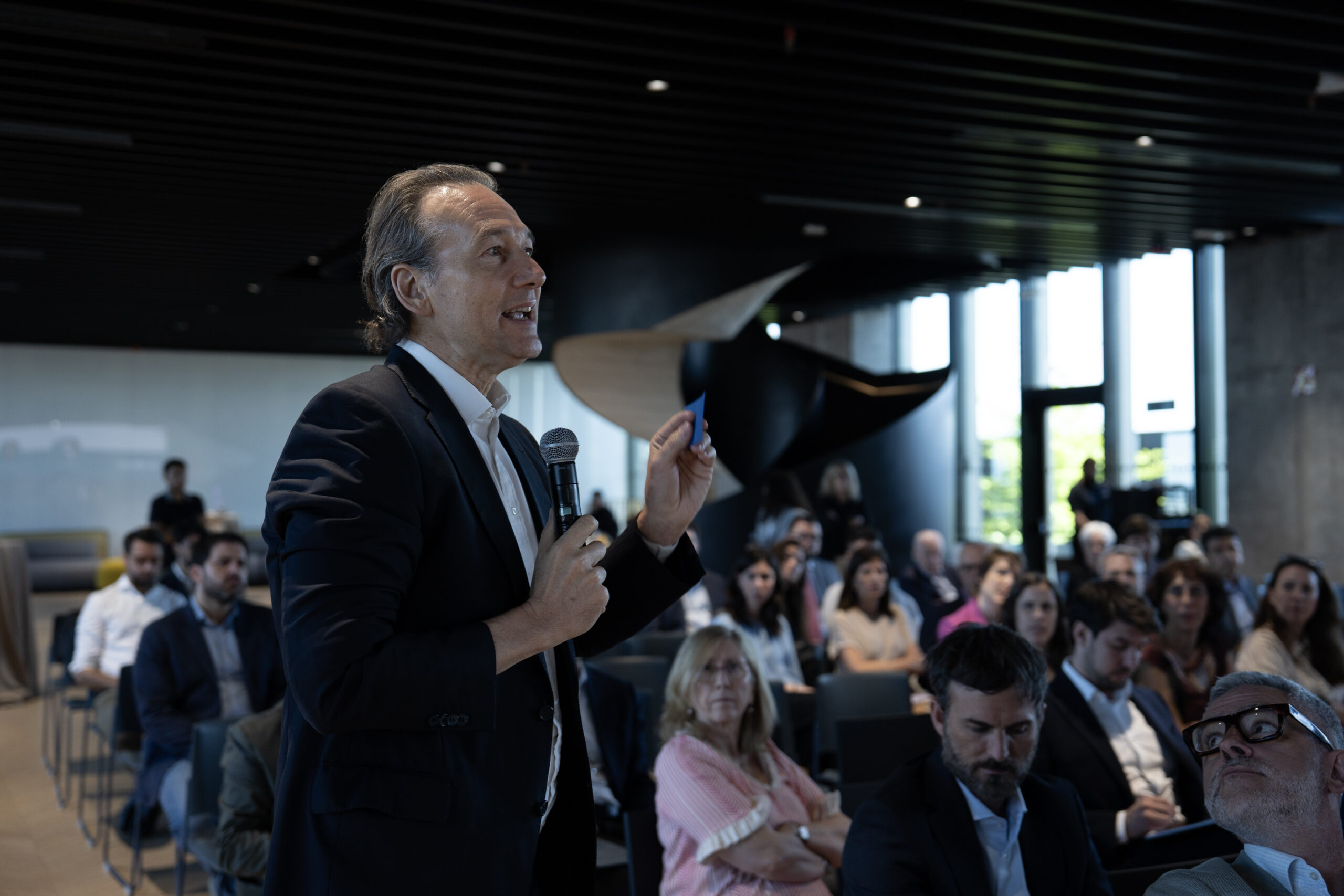
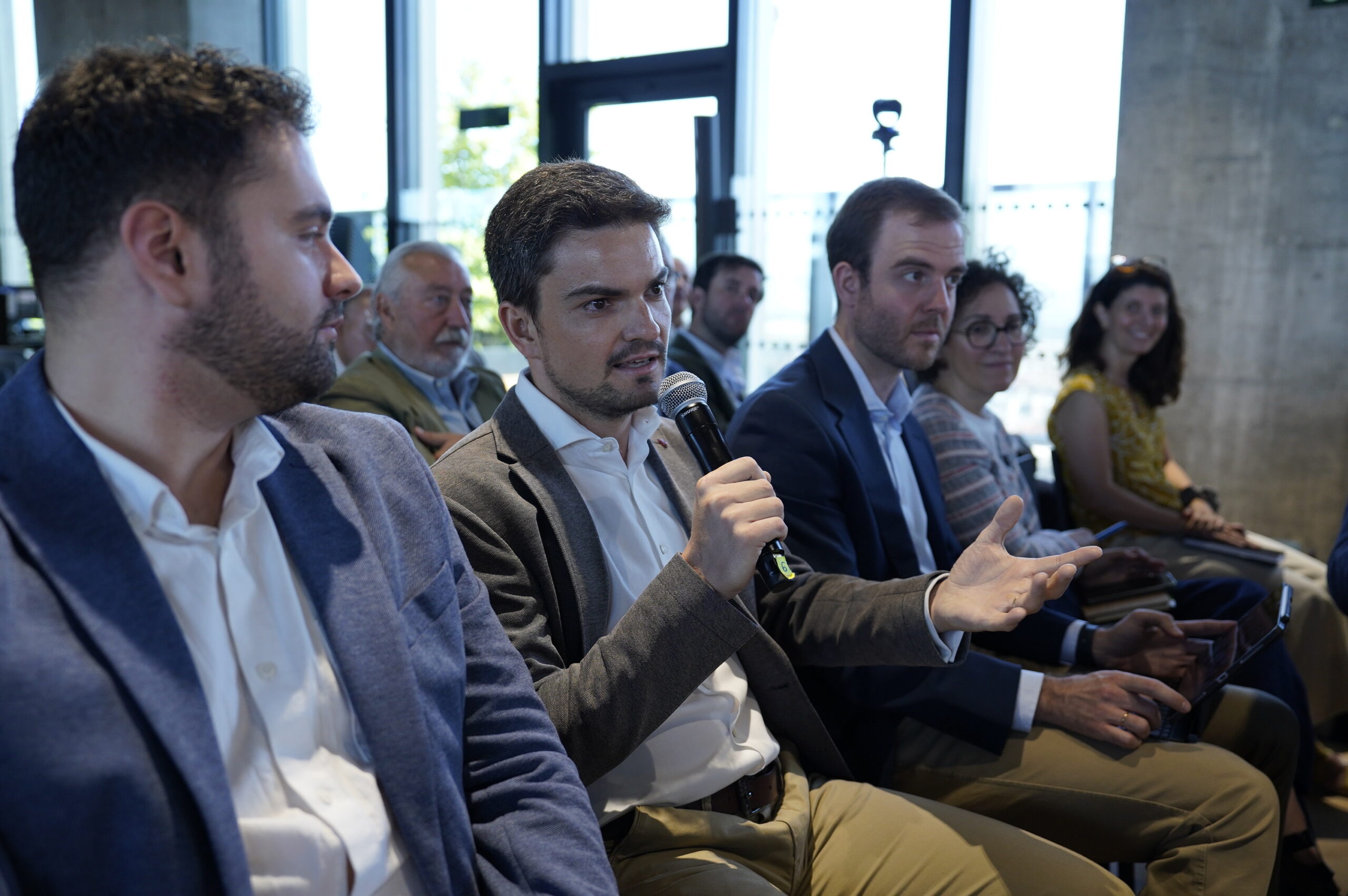
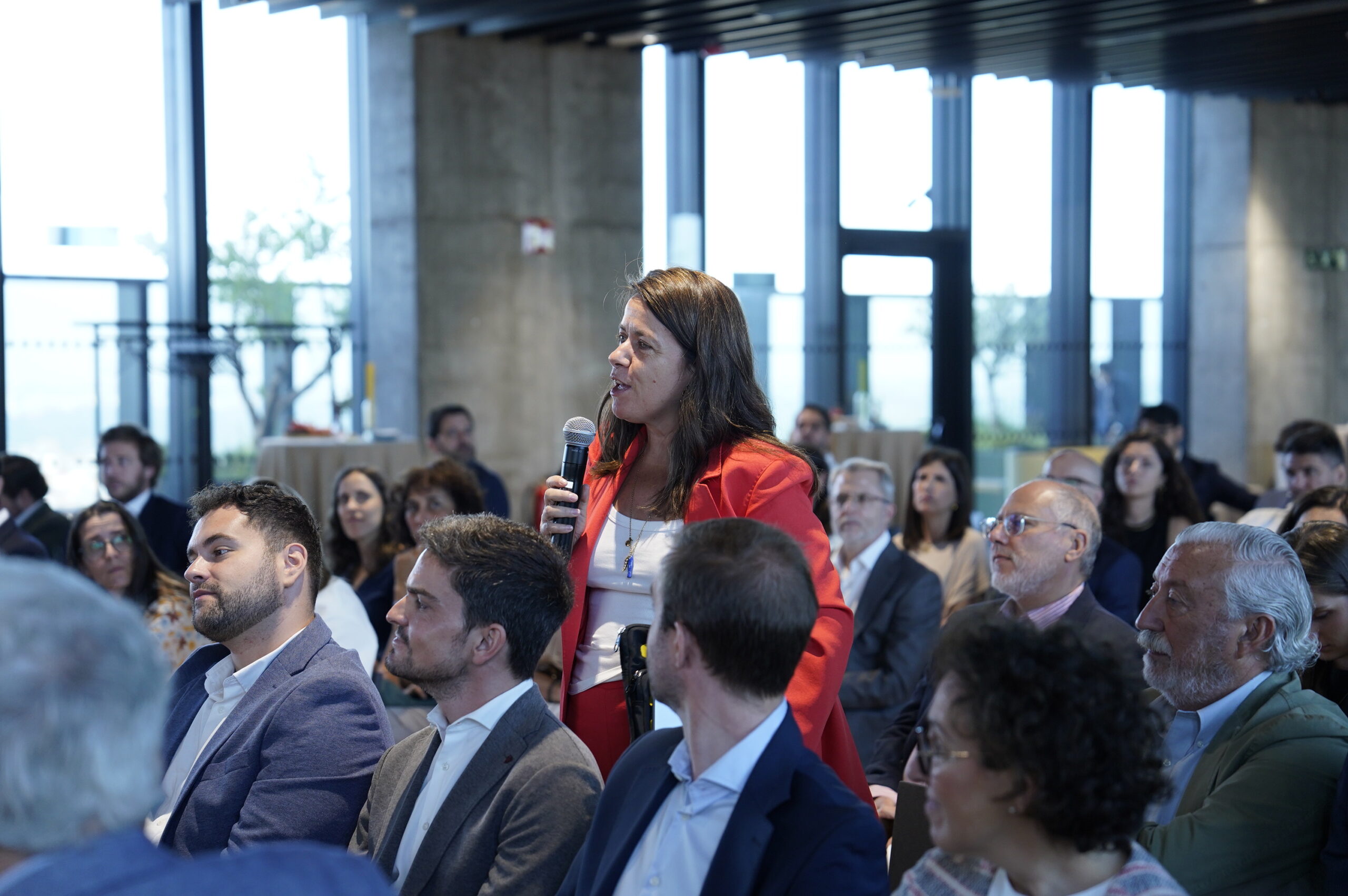
The conversation concluded with an open exchange with attendees, who took the opportunity to raise some of the issues currently of greatest concern to companies, experts and organisations involved in the energy transition. Among the topics discussed were the growth in electricity demand associated with data centres and artificial intelligence, the role of flexibility and demand management in optimising grid use, the need to ensure competitive energy prices for industry, and the challenges related to energy storage and the future design of the electricity market.
The questions enabled a deeper discussion of issues particularly relevant to the sectors represented within the alinnea Community, ranging from the mechanisms needed to facilitate new investments in storage to the simplification of certain administrative procedures and the evolution of the regulatory instruments required to support the transformation of the energy system.
In this context, Groizard underlined the importance of creating spaces that enable consensus-building around the major challenges of the transition: “We need a much broader national conversation. And spaces like alinnea, where people can work away from the spotlight and where companies, civil society organisations and many other actors can participate, have an important role to play. Reaching consensus is essential.”
The exchange reinforced one of the event’s main objectives: bringing public debate closer to the practical concerns of those actively involved in the climate transition.
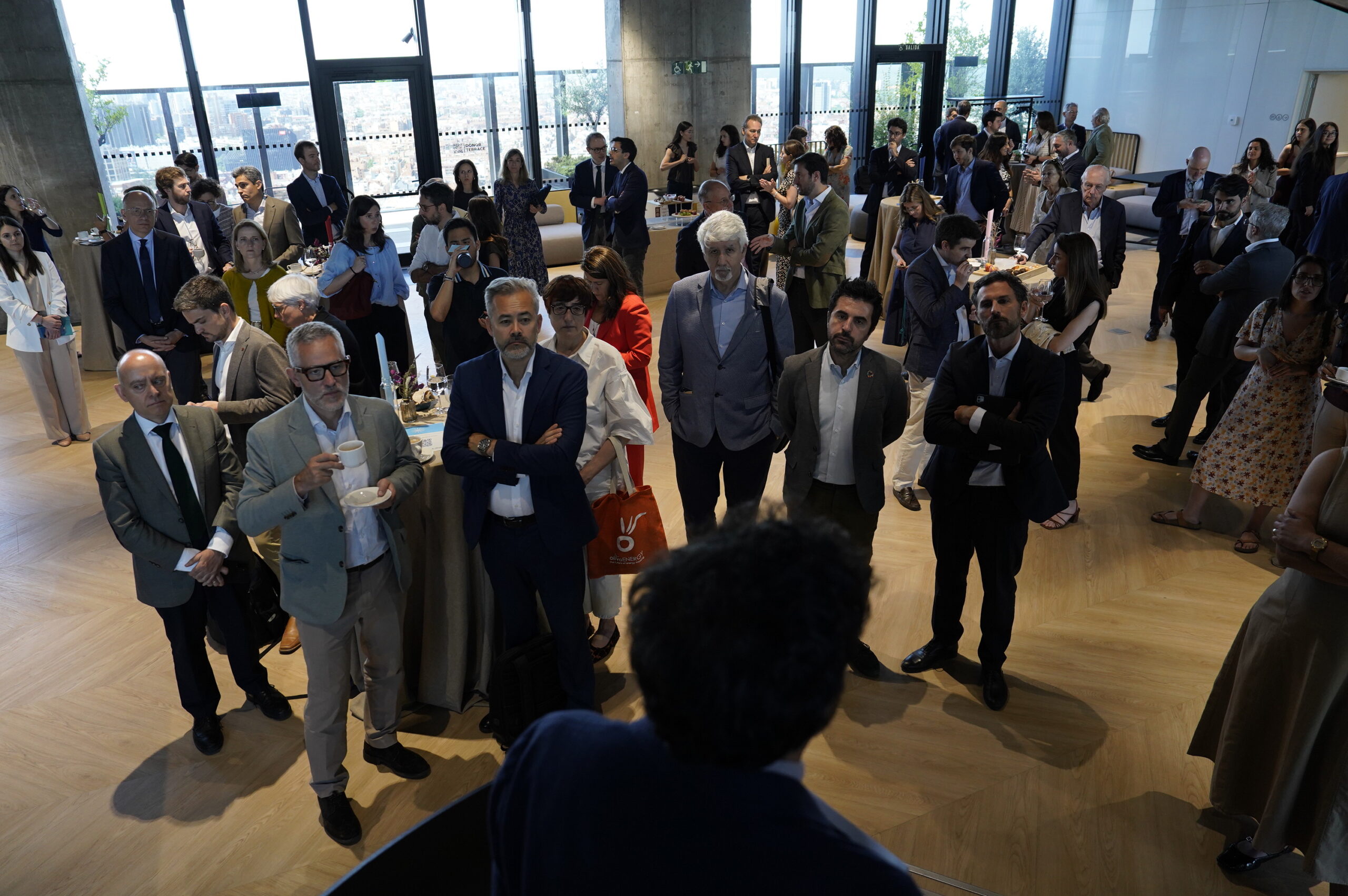
Following the conversation, attendees took part in “Coffee with Purpose: Shaping the Future of alinnea’s Agenda”, a participatory session designed to gather proposals and priorities for the years ahead.
The contributions reflected the community’s interest in continuing to promote spaces for dialogue and collaboration across sectors, as well as addressing issues such as green finance, climate risk, the circular economy, climate communication and sustainable housing.
The activity also provided insight into how members perceive the work carried out by alinnea to date and which aspects of the initiative they value most. Responses highlighted the importance the community places on knowledge generation, the exchange of perspectives and the creation of spaces where actors from diverse backgrounds can come together.
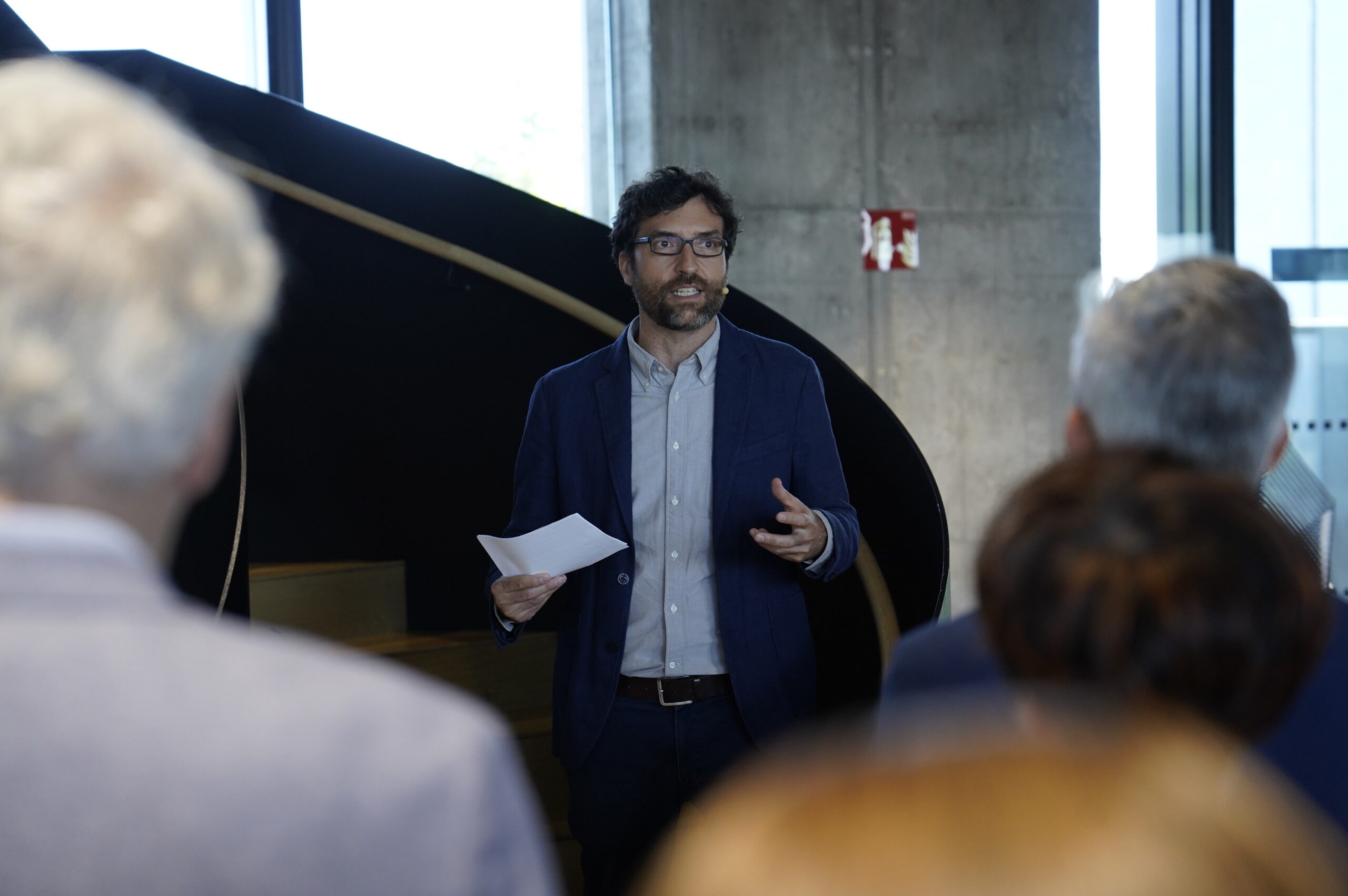
The event concluded with remarks from Gonzalo Sánchez, Programme Manager at the European Climate Foundation, alinnea’s principal partner, who reflected on the role that initiatives such as alinnea can play in fostering constructive dialogue, generating useful knowledge, and strengthening a community that is one of the initiative’s greatest assets. He also encouraged participants to deepen their climate commitment and continue contributing to a more collaborative climate transition that is better connected to the real needs of different sectors and territories.