Home / Twelve recommendations to accelerate the climate transformation of the agrifood value chain
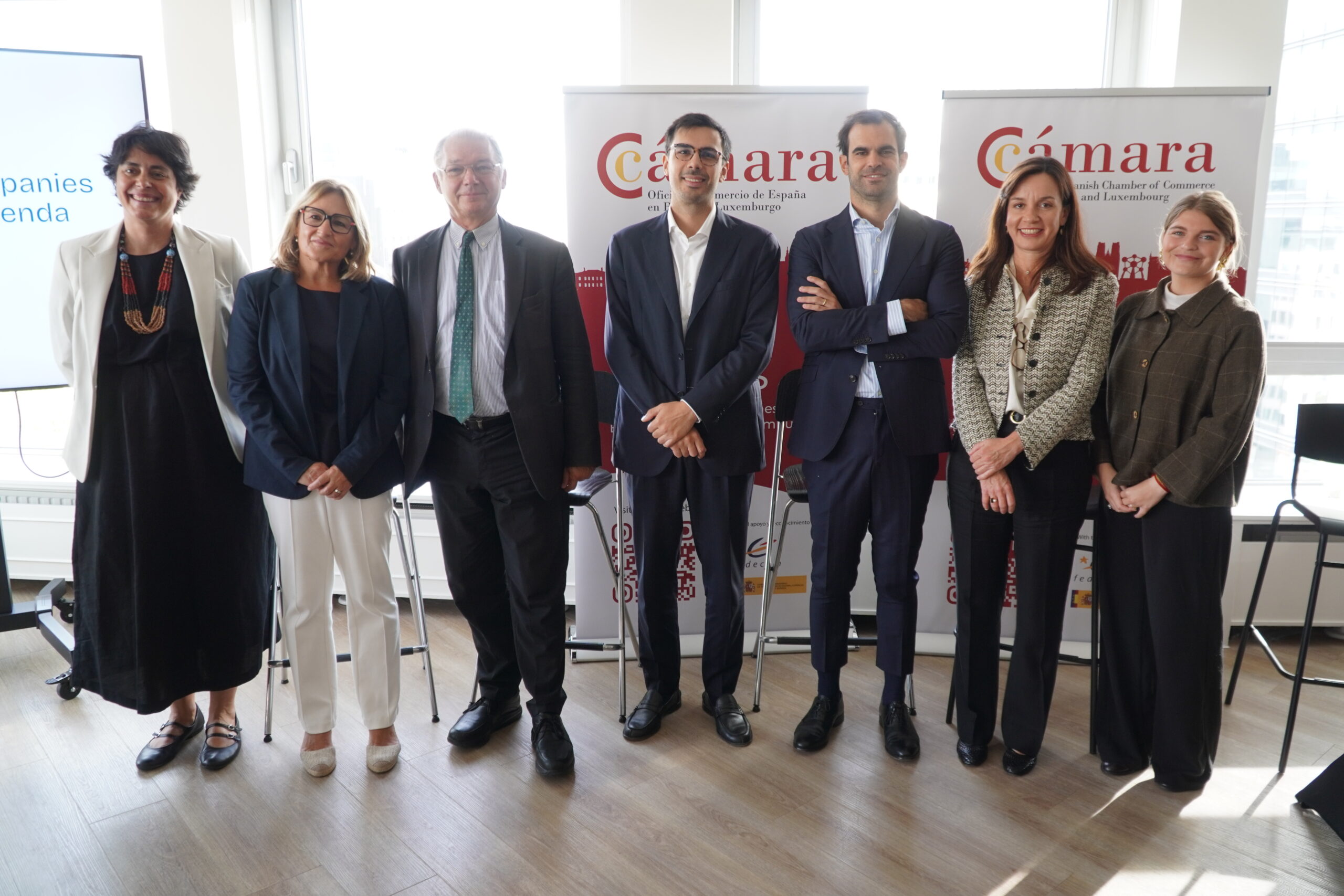
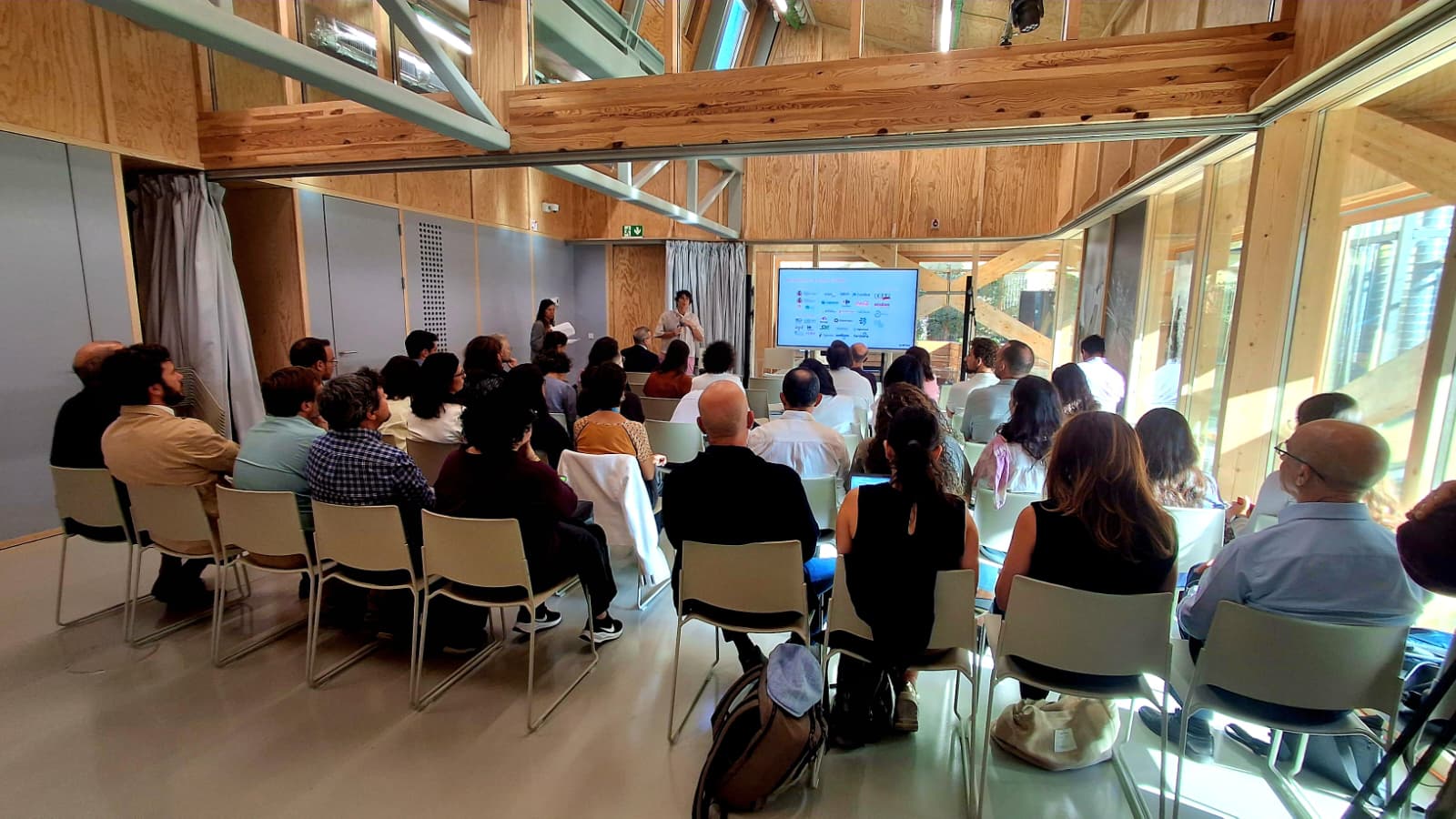
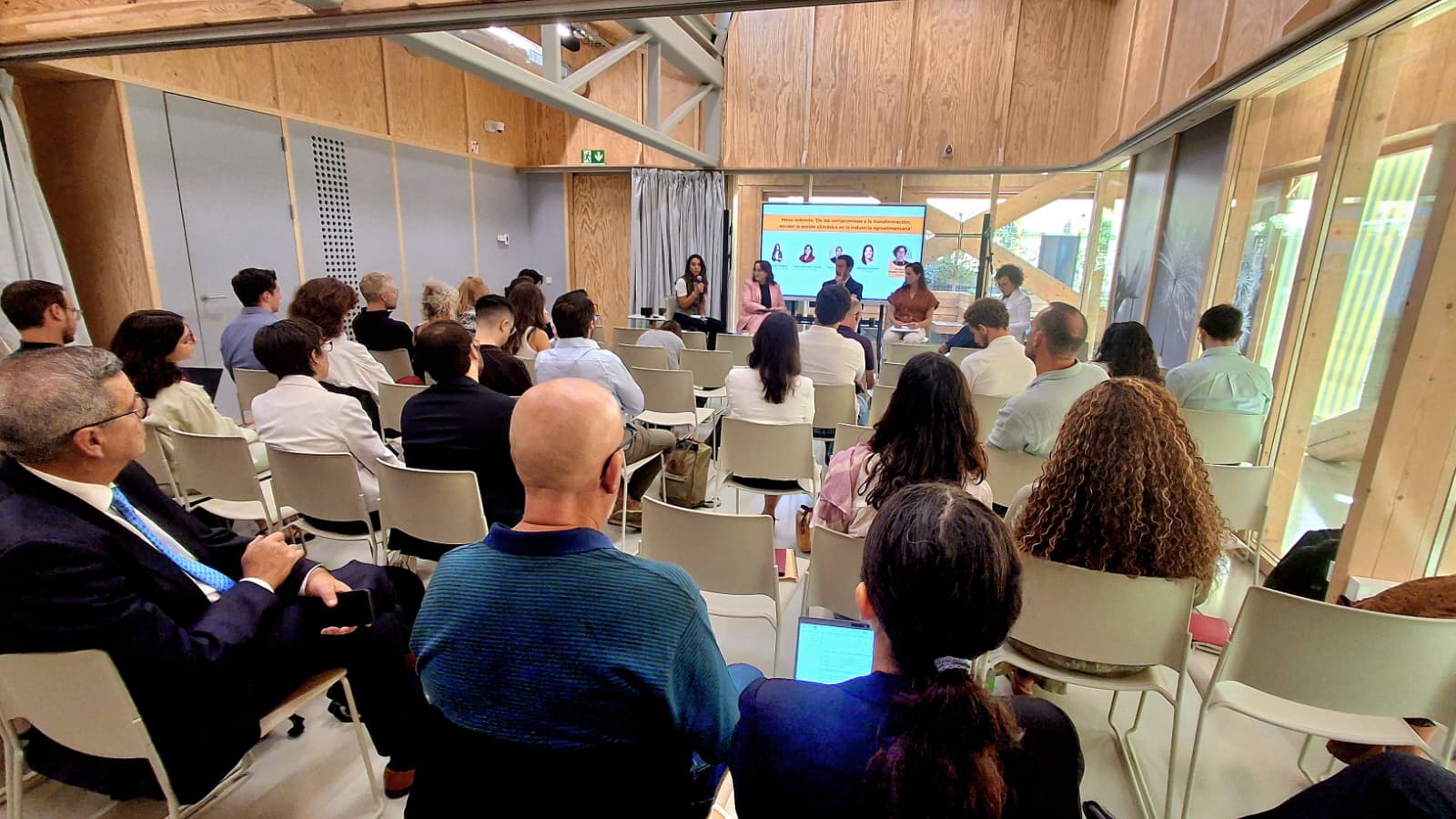
alinnea today presented a report setting out the results of its 2025 working group and formulating recommendations based on dialogue among different stakeholders. The report was launched at the event ‘The Climate Transition: An Opportunity for the Agrifood Value Chain’, which brought together representatives from government, primary production, industry, cooperatives and the financial sector at the sustainable venue Infinito Delicias to translate the diagnosis into proposals for action.
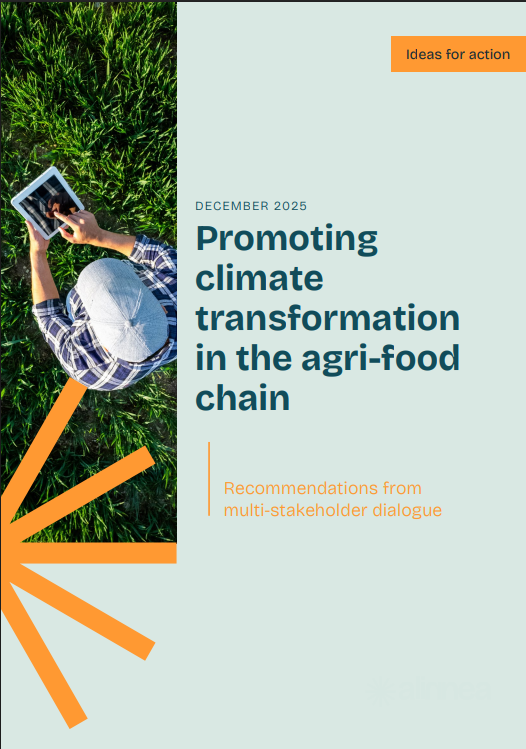
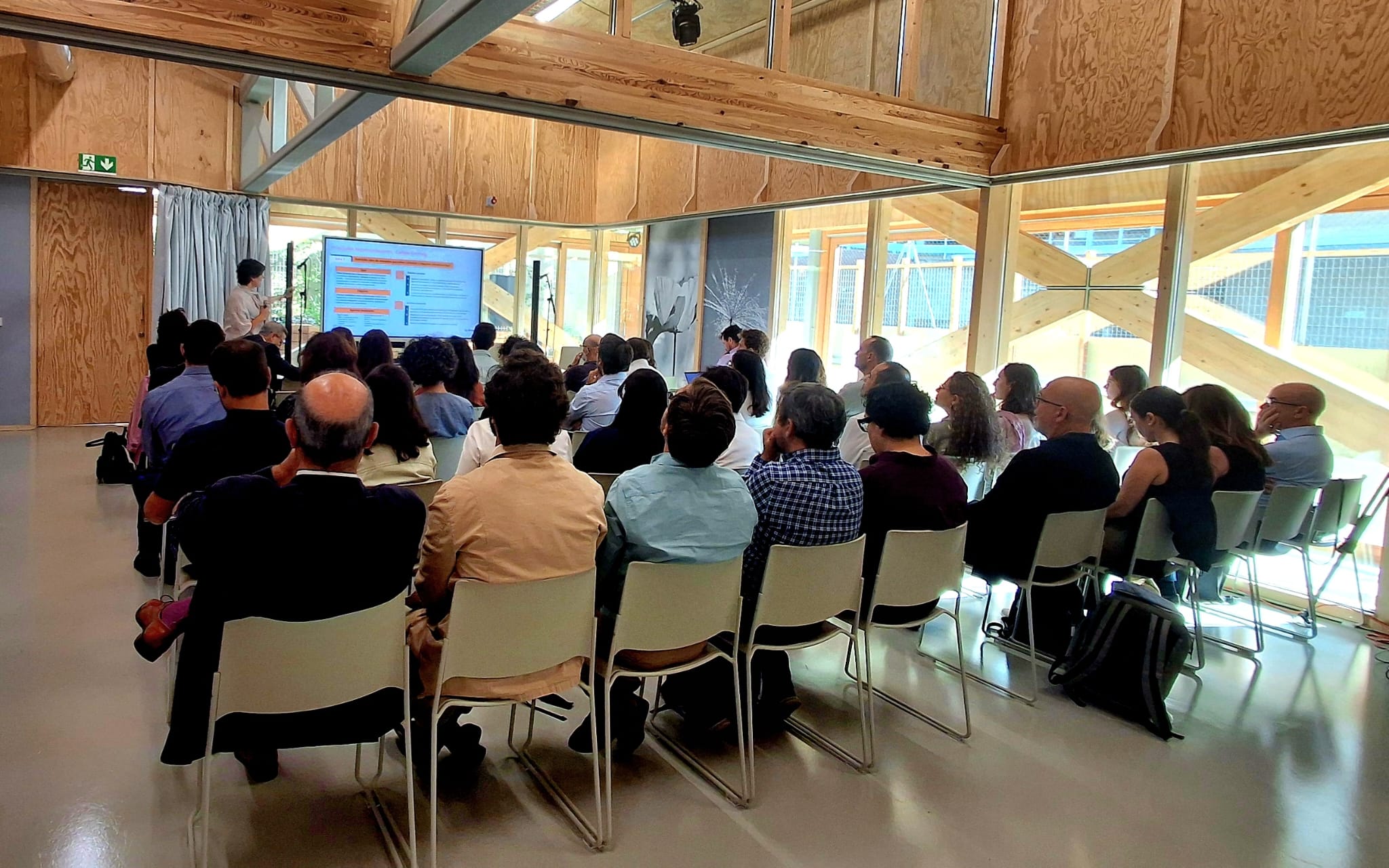
The event, supported by the Daniel and Nina Carasso Foundation, began with the presentation of the report ‘Ideas for Action: Driving the Climate Transformation of the Agrifood Value Chain’, the outcome of a multi-stakeholder working group held throughout 2025. Ana Belén Sánchez and Inmaculada Batalla, a researcher at the BC3 Basque Centre for Climate Change who provided technical support to the working group, drew participants’ attention to the main bottlenecks hindering the transition and the recommendations for addressing them, all identified through multi-stakeholder dialogue during the working sessions.
The diagnosis groups the barriers into three areas. In carbon farming, it points to the lack of common definitions and frameworks, the difficulties involved in establishing additionality and baselines, measurement and certification costs, and the risk of focusing the analysis solely on carbon without considering soil health, biodiversity or resilience. Regarding corporate strategies, it identifies legal uncertainty, the difficulty of scaling up pilot projects, internal technical constraints, and misalignment between the different links in the value chain and market demand. In the area of finance, it warns of declining climate ambition, the predominance of reactive and short-term measures, economic and technical barriers, and the limited connection with end consumers.
To address these obstacles, the report puts forward twelve recommendations. For carbon farming, it calls for agreed definitions, accessible measurement, reporting and verification tools, stronger dedicated financing, and policies adapted to the diversity of production models. In the corporate sphere, it recommends fostering partnerships that facilitate access to certification, improving cooperation between the different links in the value chain, and simplifying access to information and advice. On finance, it proposes shifting risk management towards prevention, reducing the cost of low-carbon technologies, securing long-term funding for initiatives that deliver results, providing specialised technical support, and strengthening the link between sustainability, traceability and purchasing decisions.
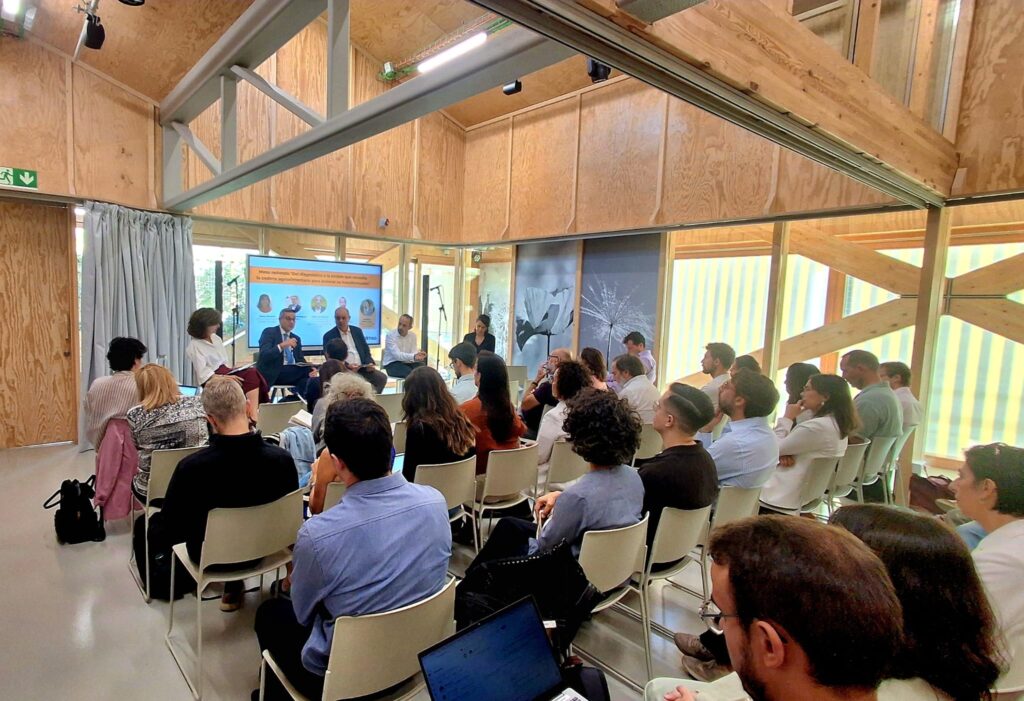
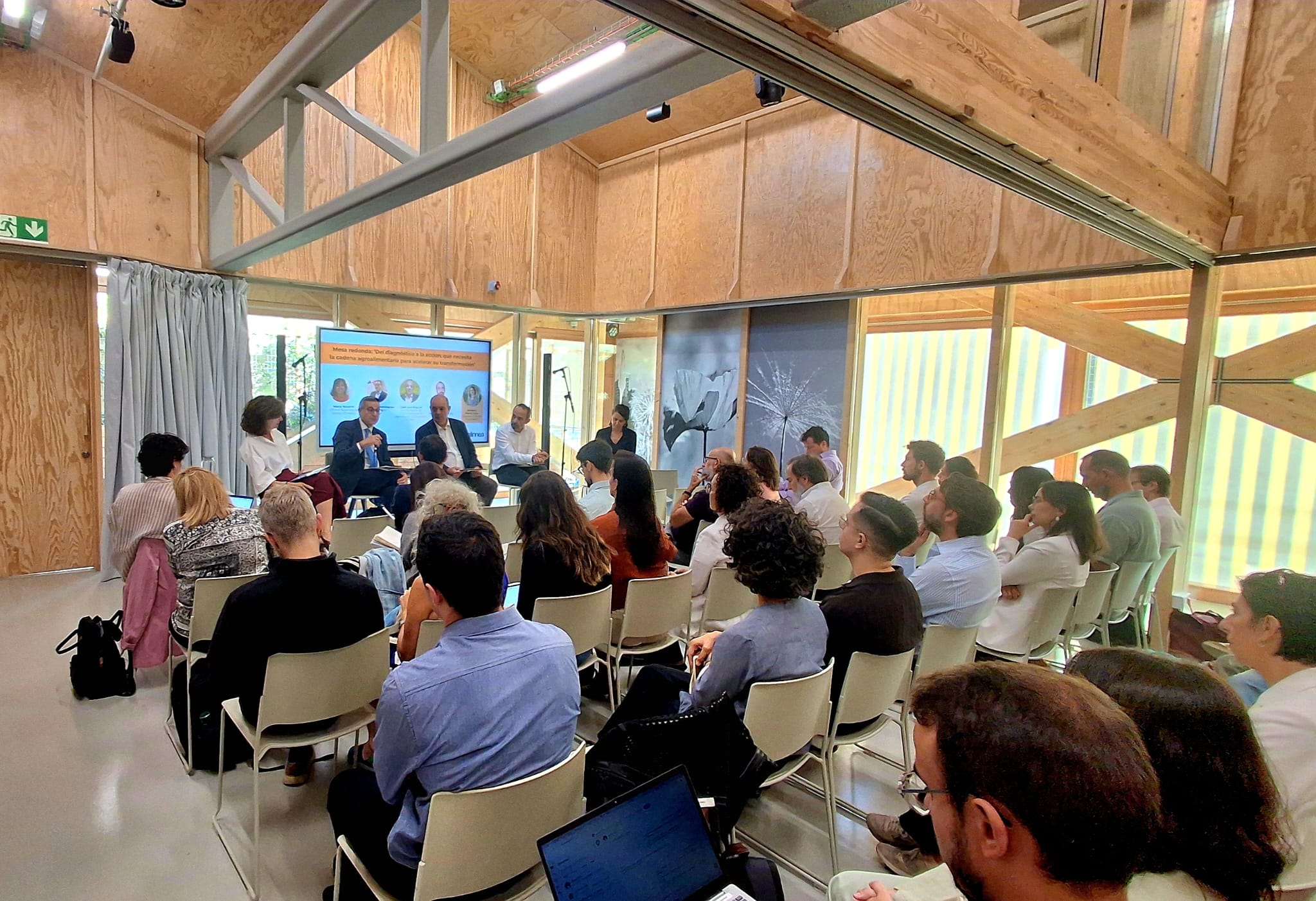
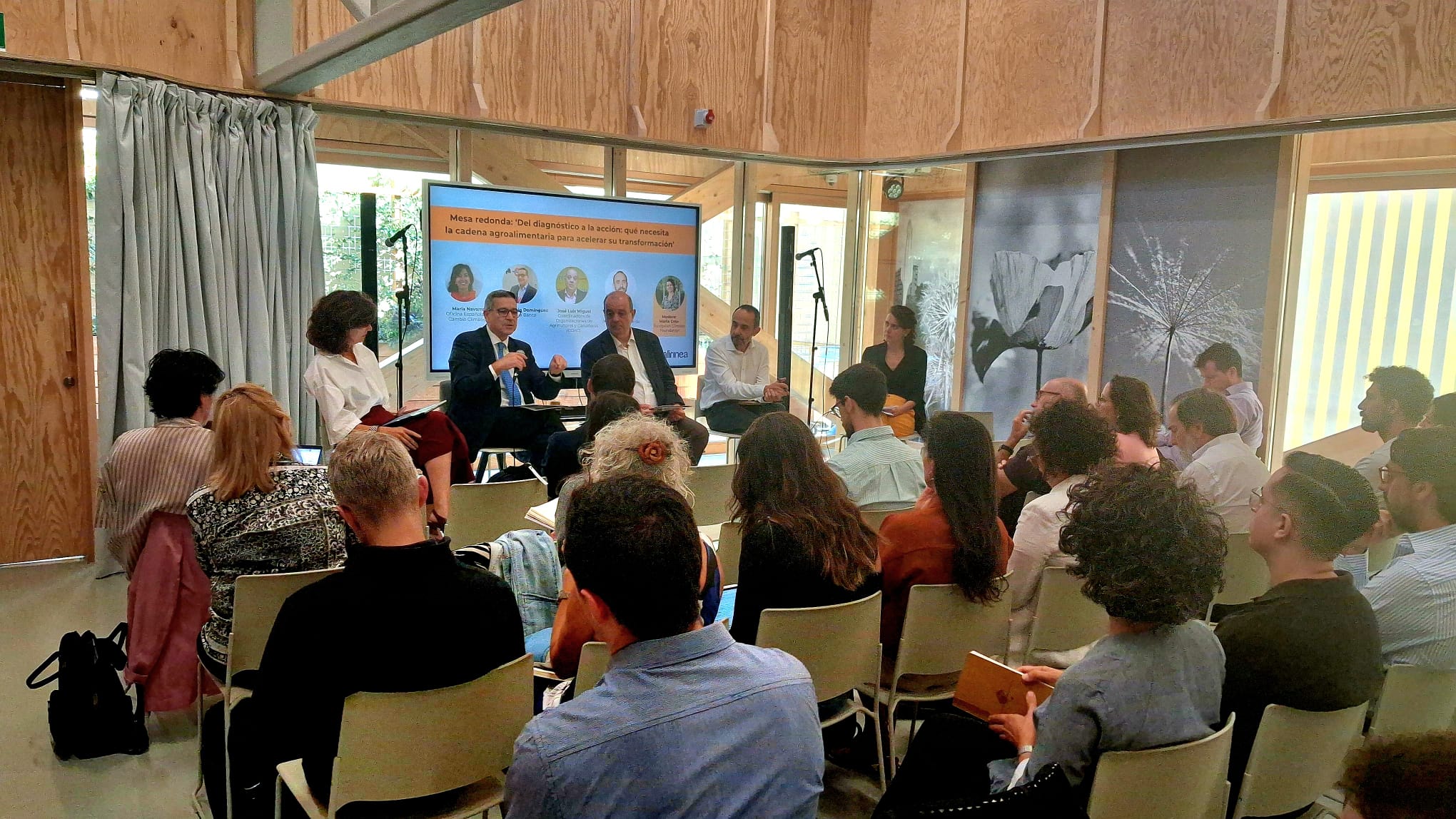
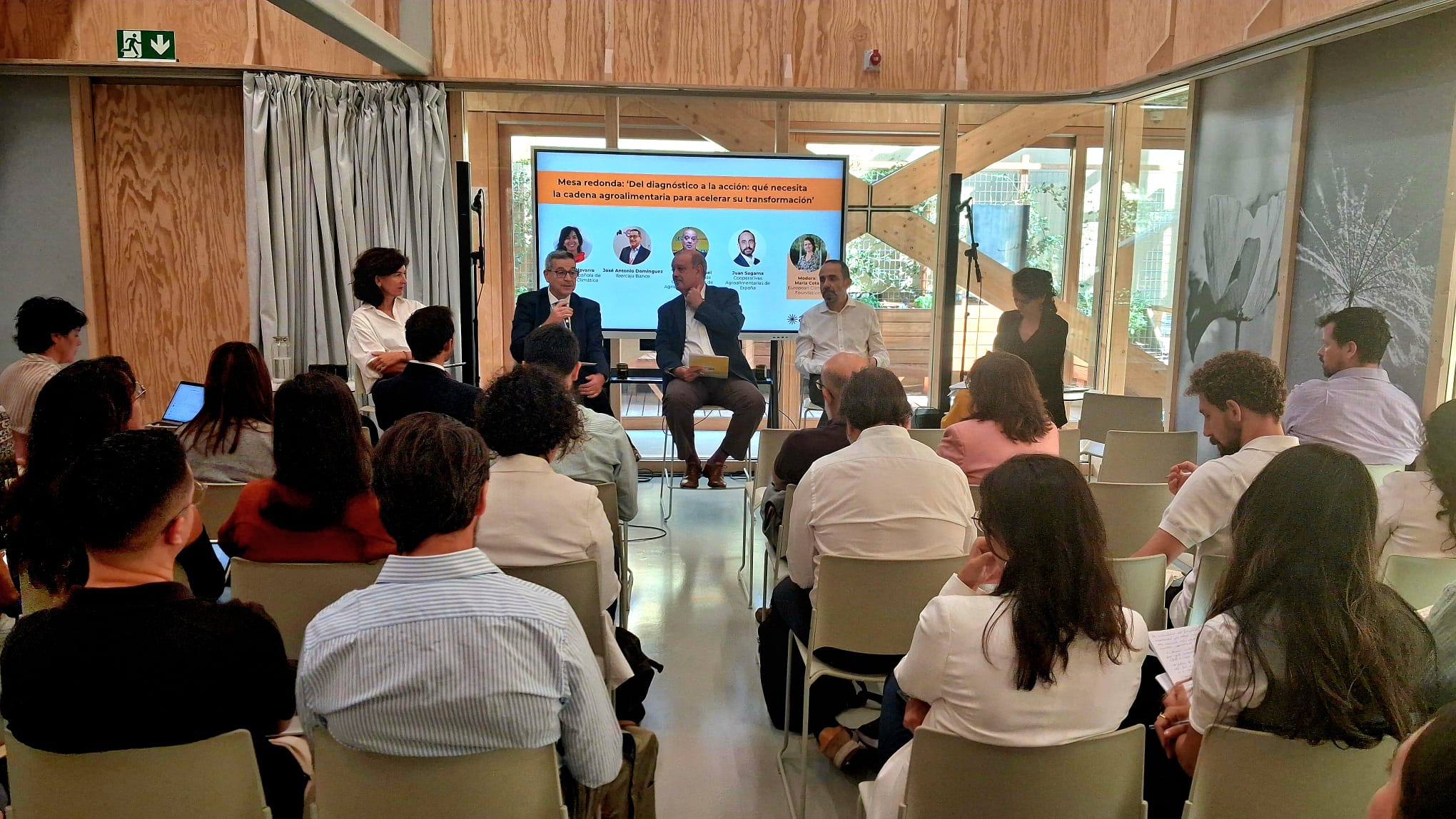
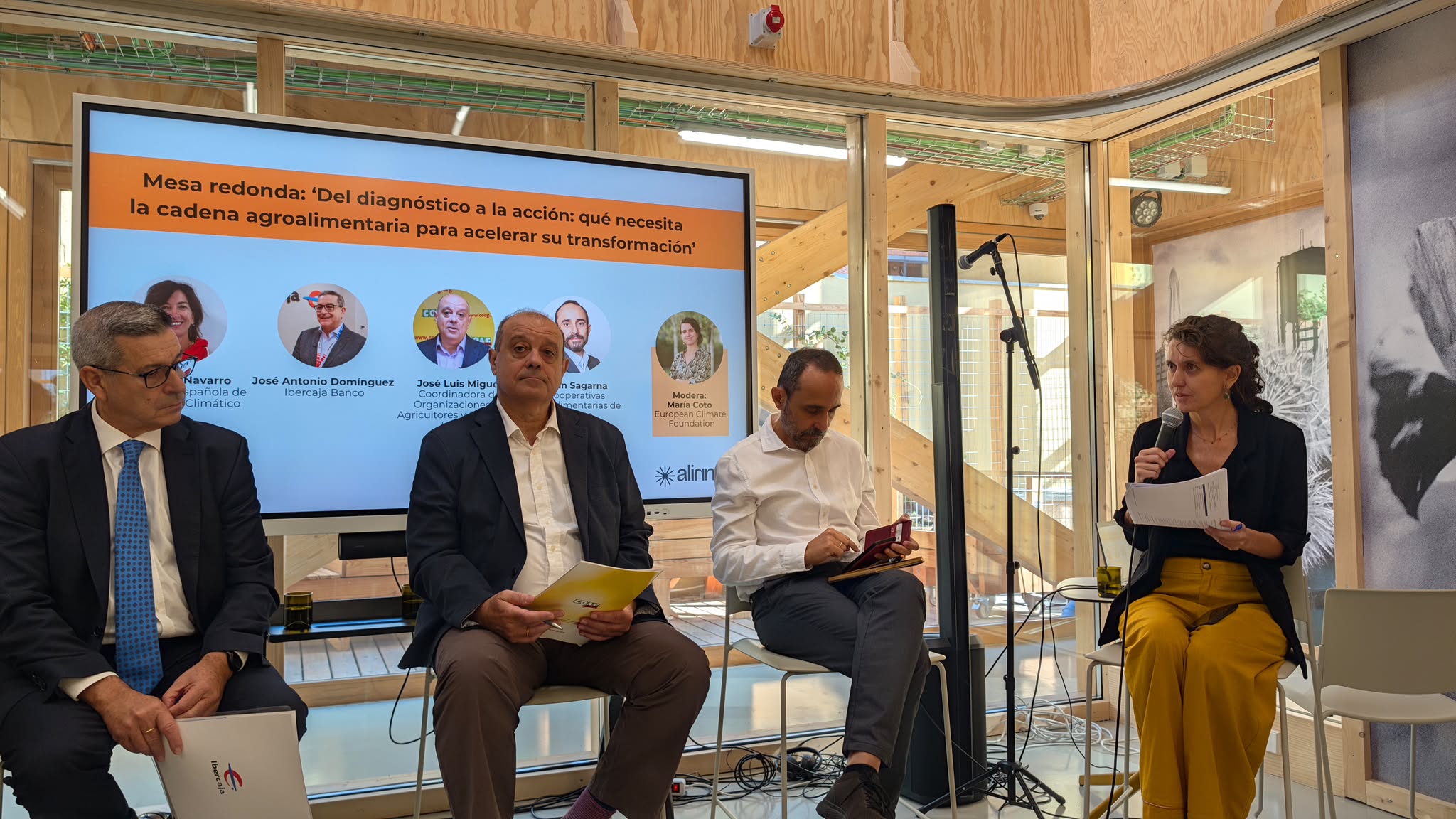
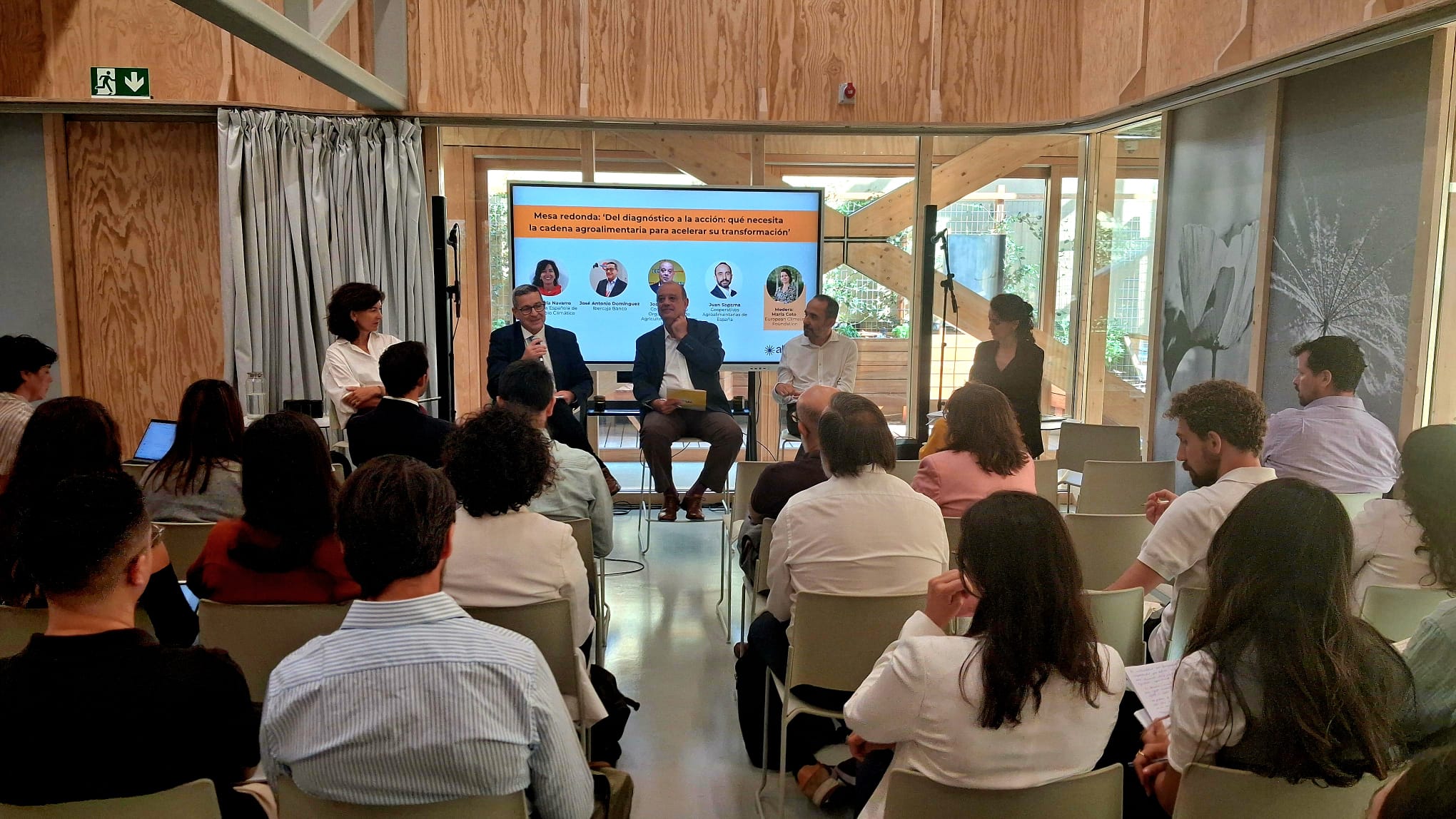
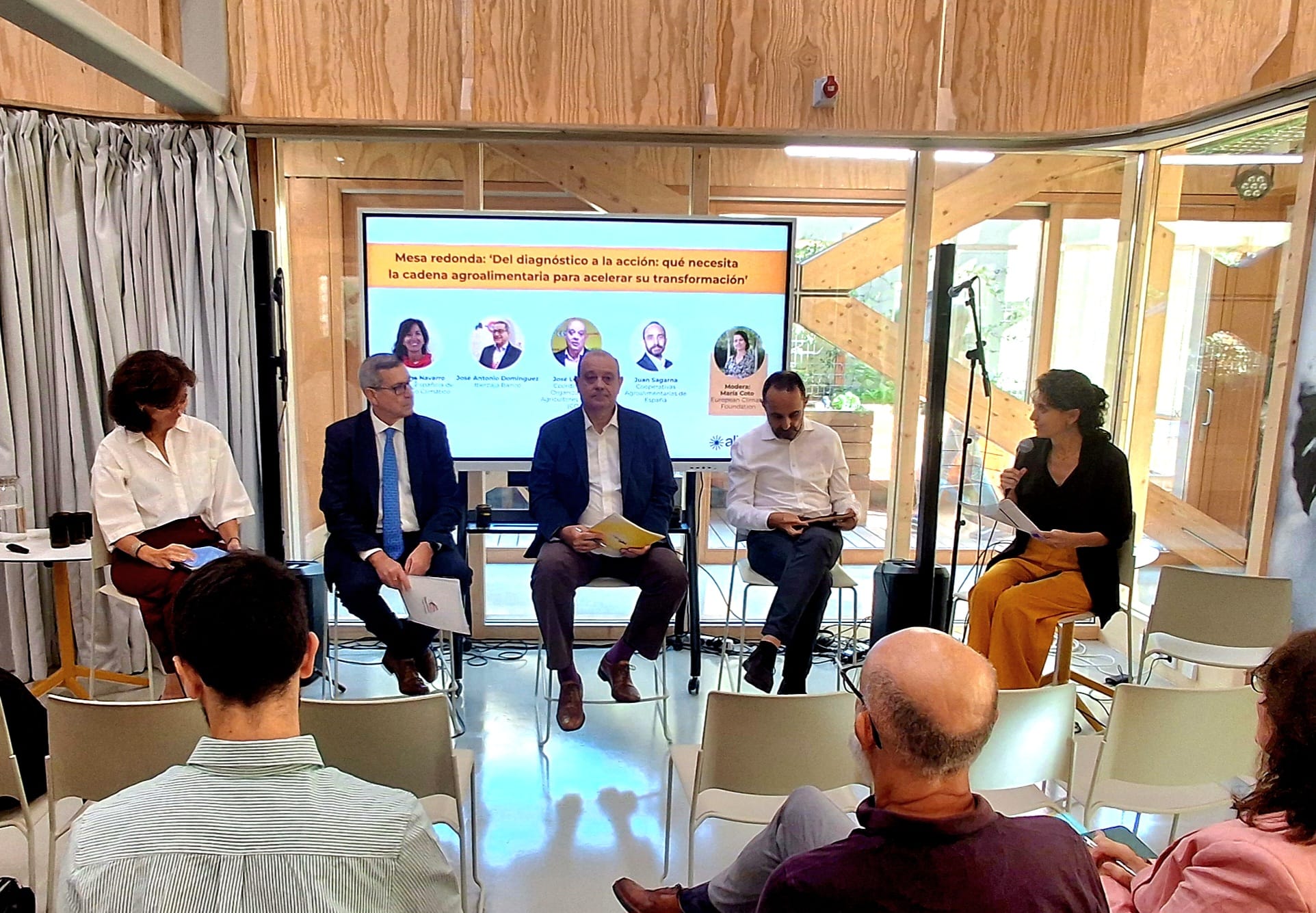
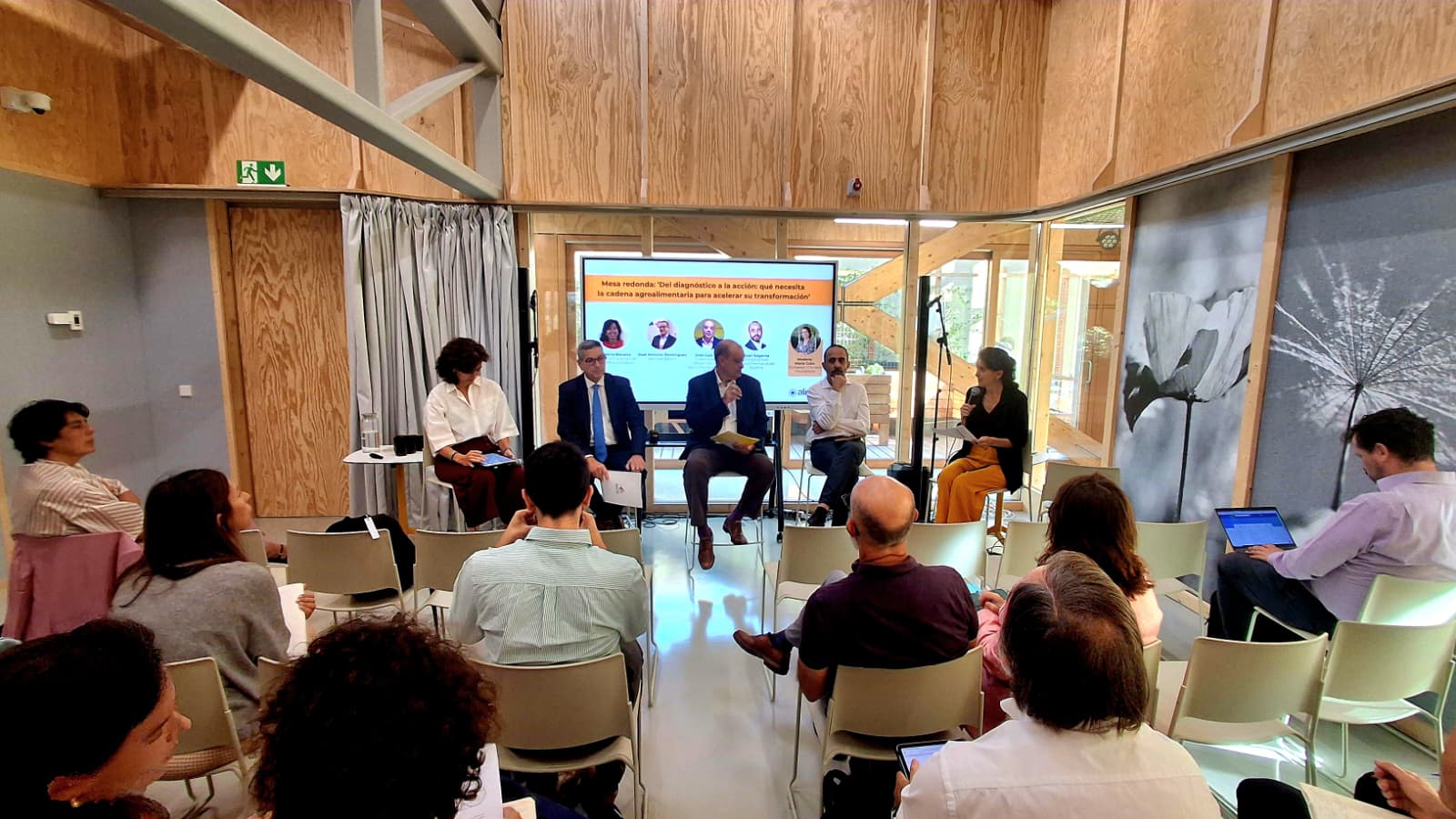
The report presentation was followed by the first panel discussion. Entitled ‘From Diagnosis to Action: What the Agrifood Value Chain Needs to Accelerate Its Transformation’, the discussion brought together María Navarro, from the Spanish Office for Climate Change (OECC); José Antonio Domínguez, Agrifood Business Commercial Manager at Ibercaja Banco; José Luis Miguel, Technical Director of the Coordinator of Farmers’ and Livestock Breeders’ Organisations (COAG); and Juan Sagarna, Director of the Sustainability, Quality and Innovation Department at Cooperativas Agro-alimentarias de España. The discussion was moderated by María Coto Sauras, Senior Associate for Spain and Land Use at the European Climate Foundation.
The speakers began by highlighting specific aspects which, from their respective perspectives, are particularly important for addressing the sector’s climate transition: the need to adopt a just-transition approach capable of accommodating the different paces of those involved across the value chain; the recognition of climate change as an economic reality; the complexity of the changes required and the need for pragmatism in tackling them; and the importance of tailored support and an approach combining mitigation and adaptation to address the effects of climate change. During the discussion, the term “climate reality” was used to reflect the fact that these impacts are already part of everyday life for those working in agriculture.
The discussion continued with examples of initiatives helping to advance the sector’s climate transition, including the 30 by 30 Alliance, a voluntary initiative involving several dairy cooperatives; Global Nature’s initiative to develop specific agroclimatic indicators; woodland management through cattle grazing in the Sierra del Segura; the Ministry for the Ecological Transition’s Carbon Footprint Registry, which contains more than 21,000 registered carbon footprints; and ERICC, the assessment of climate change risks and impacts promoted by the Spanish Office for Climate Change.
In conclusion, the contributions emphasised the interrelationship between the different stakeholders across the value chain.
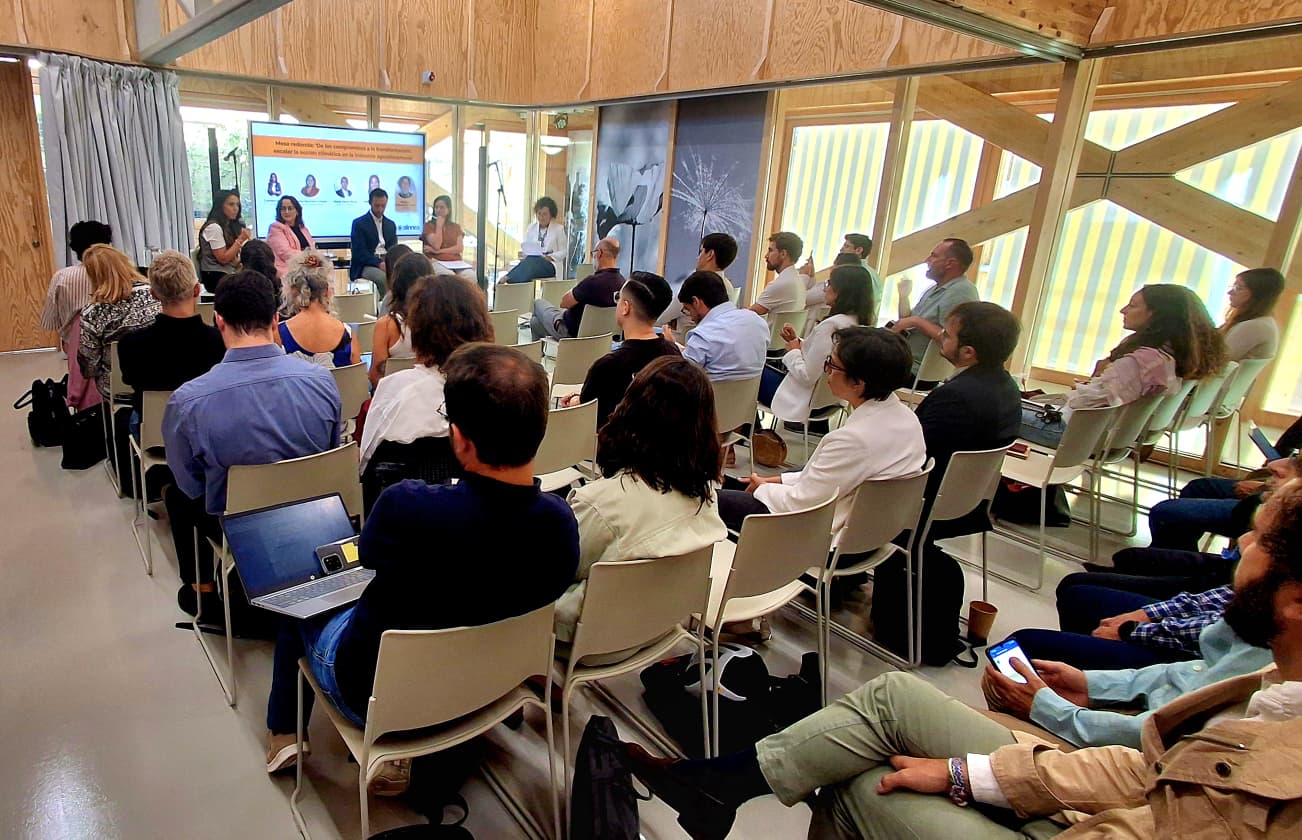
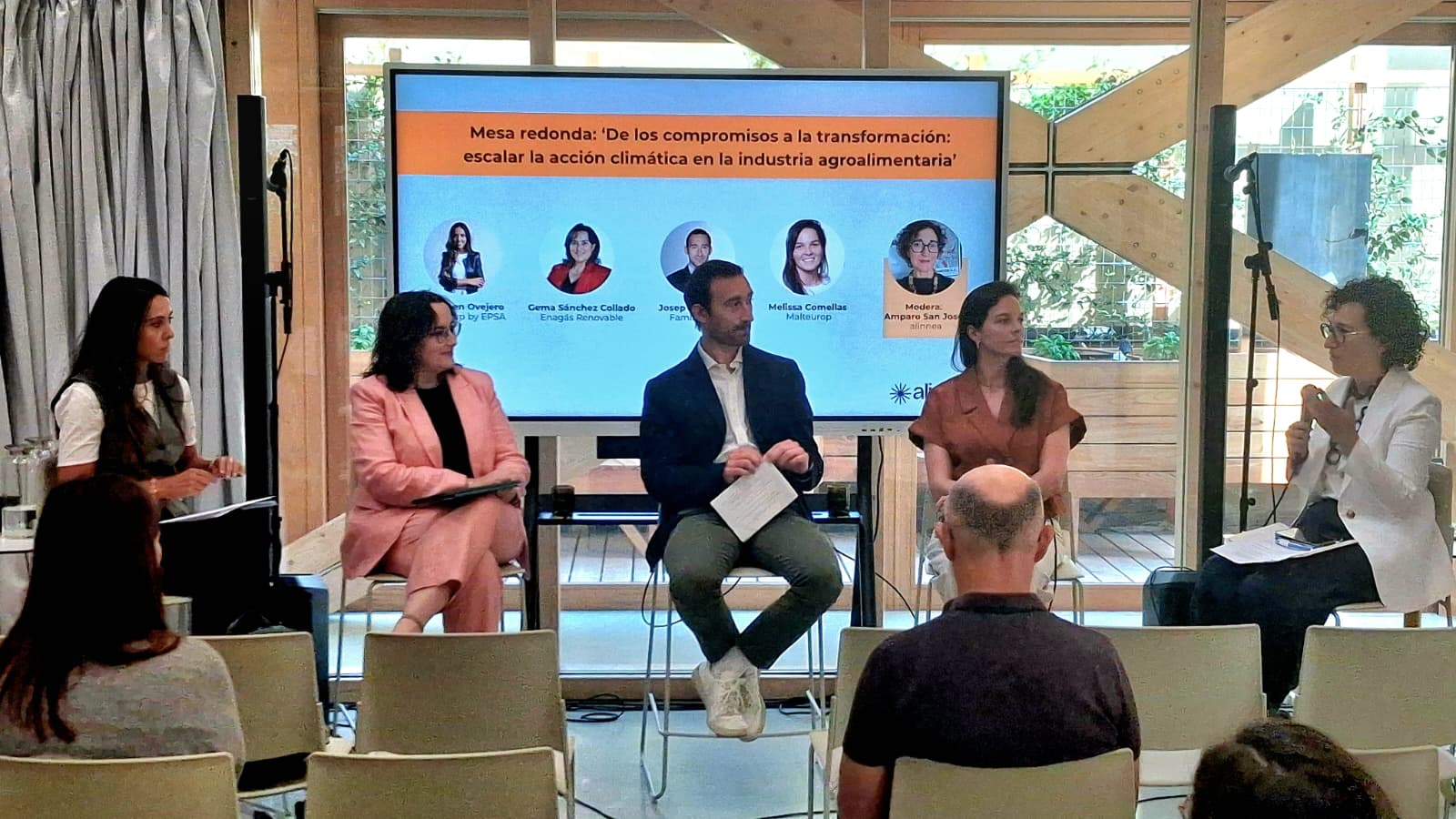
The second panel, ‘From Commitments to Transformation: Scaling Up Climate Action in the Agrifood Industry’, featured Carmen Ovejero, Head of Agrifood and Bioeconomy at FI Group by EPSA; Gema Sánchez Collado, Sustainability Director at Enagás Renovable; Josep Maria Ribas, Head of Sustainability at Familia Torres; and Melissa Comellas, Sustainability Director at Malteurop. The session was moderated by Amparo San José, a sustainable food specialist and collaborator with alinnea.
The speakers noted that sustainability has become a strategic driver of business profitability and is increasingly linked to competitiveness. The participating companies highlighted the significant progress achieved across their respective production chains, while also pointing to the challenges involved in coordinating management throughout the supply chain, as required when measuring indirect—or Scope 3—emissions.
Another issue highlighted during the discussion was the need for regulations that provide certainty to the sector, establish clear timelines and deliver agile responses tailored to the needs of different stakeholders. The strategic role of technology throughout the transition was also emphasised, although its implementation and the selection of the most appropriate solutions remain challenging for many companies. Similarly, access to finance represents another major obstacle, particularly for SMEs, which often find it extremely difficult to access public funding because of the requirements attached to funding calls.
The speakers also agreed on the importance of consumers as a driving force in this process, as well as the need to stimulate the market and encourage the acceptance and recognition of the value of decarbonised products.
In her closing remarks, Ana Belén Sánchez highlighted ten areas of work for continuing to advance the climate transformation of the agrifood value chain:

This report is part of the ‘Ideas for Action’ series and presents the main conclusions of the working group ‘Transforming Spain’s Agrifood Value Chain: Innovation, Business Models and Climate Finance’, convened by alinnea throughout 2025.