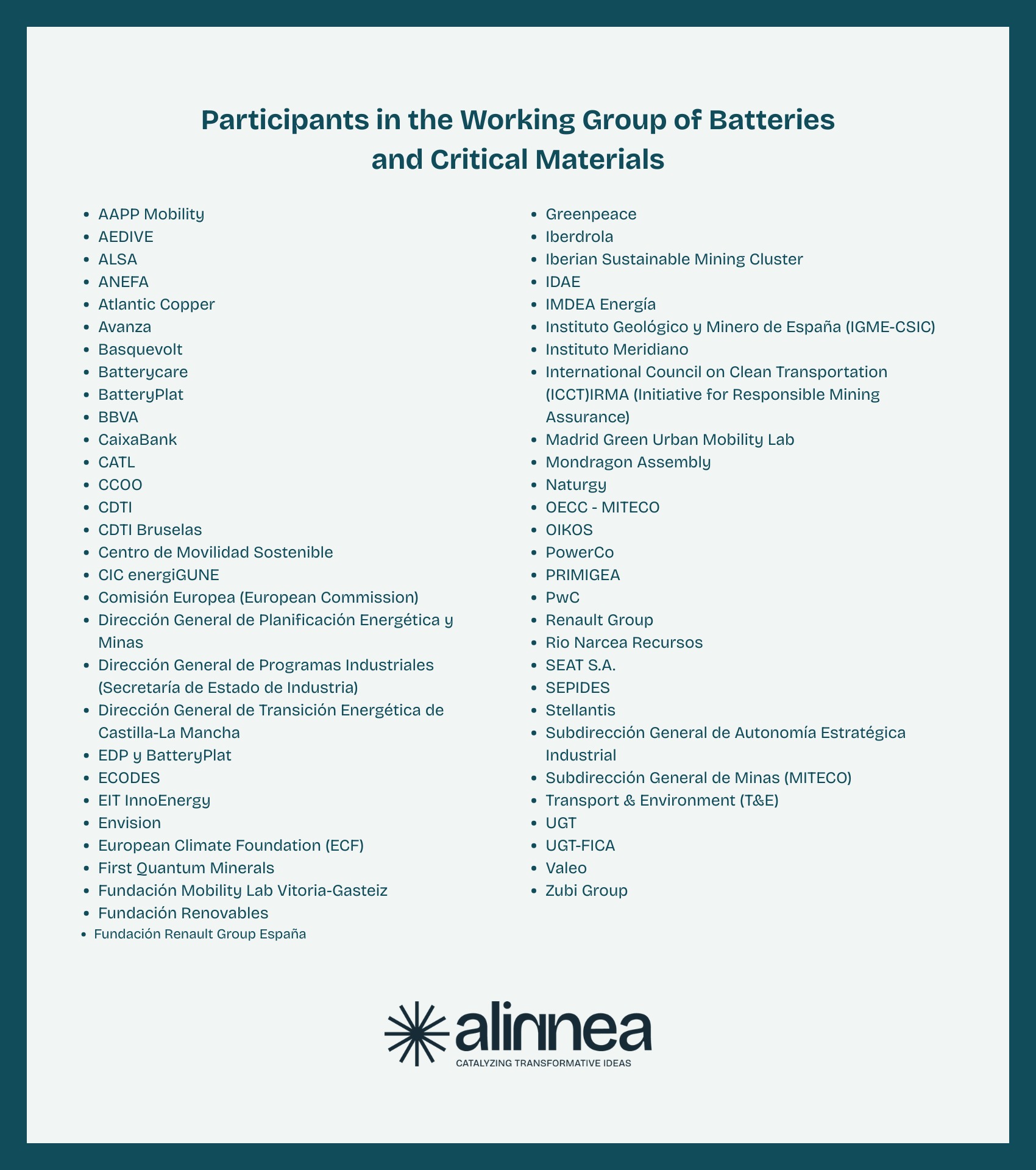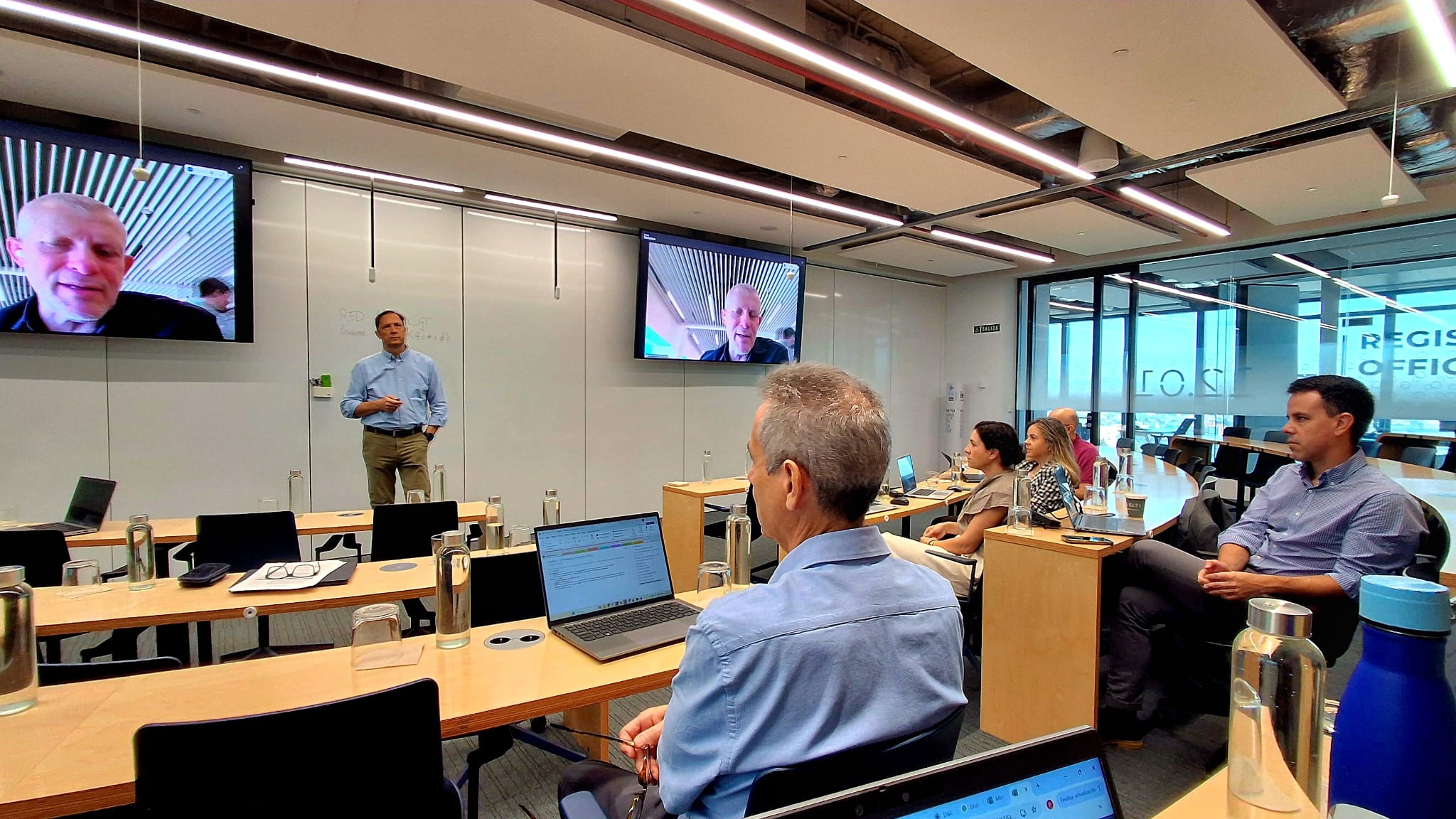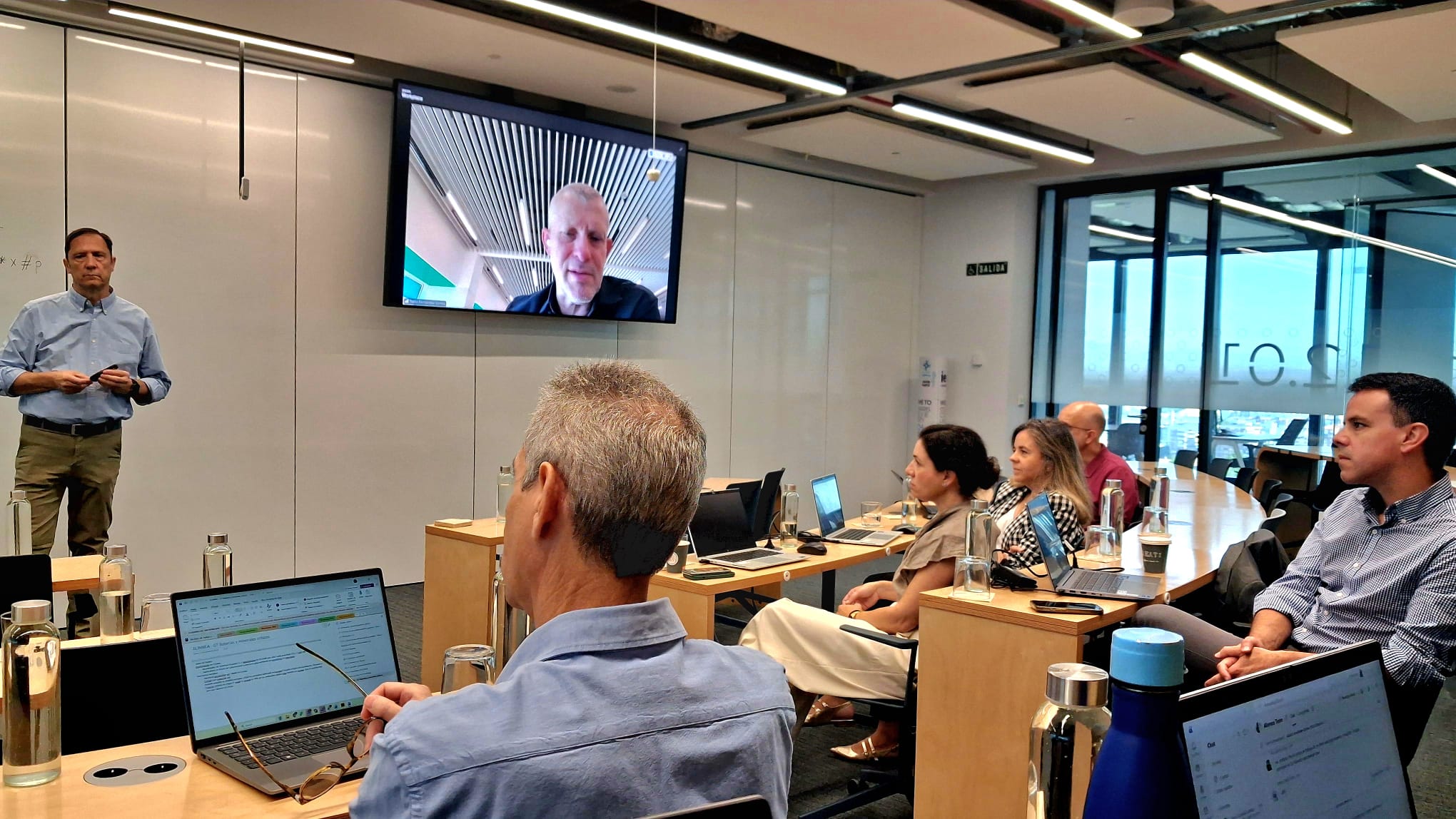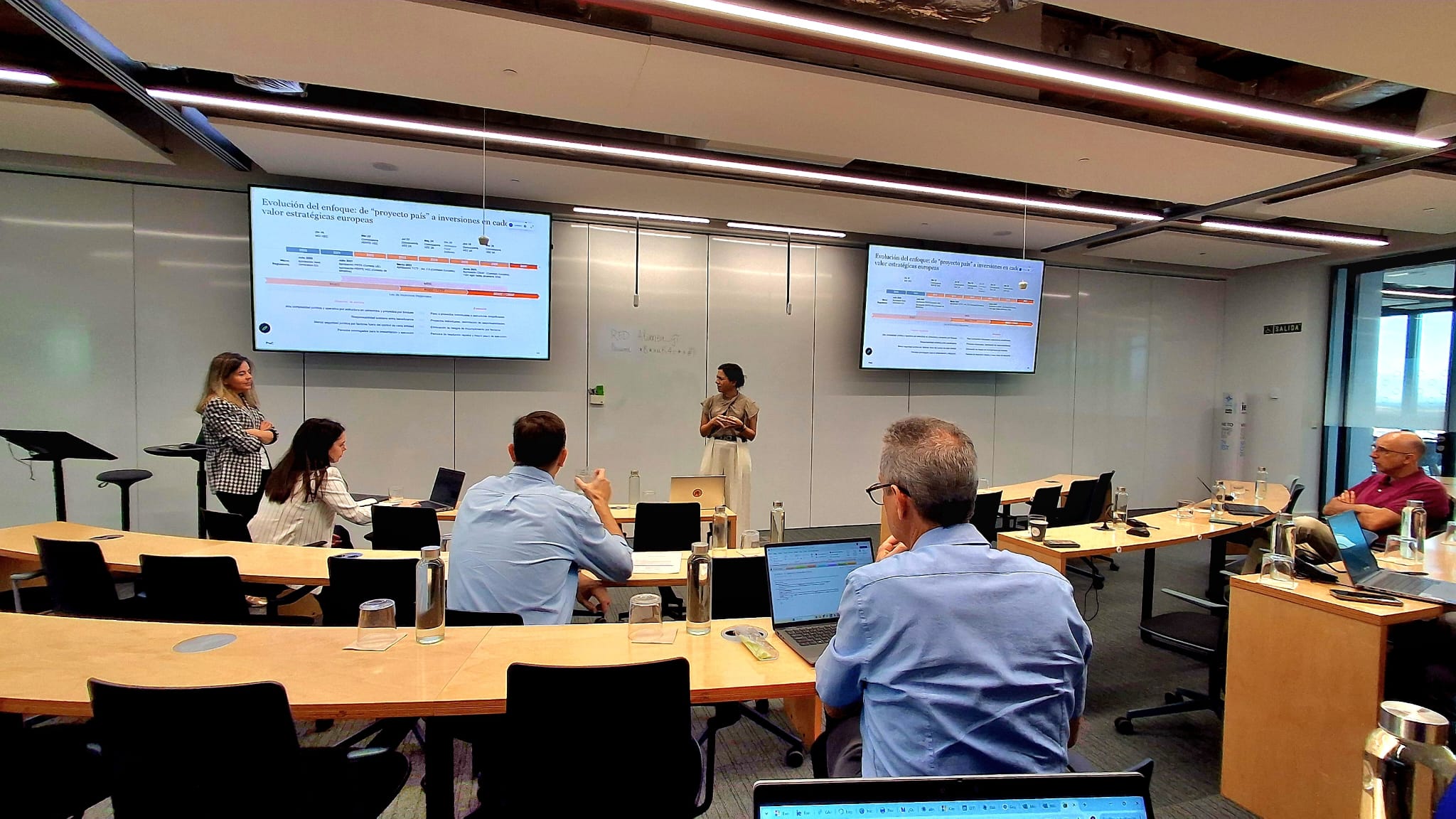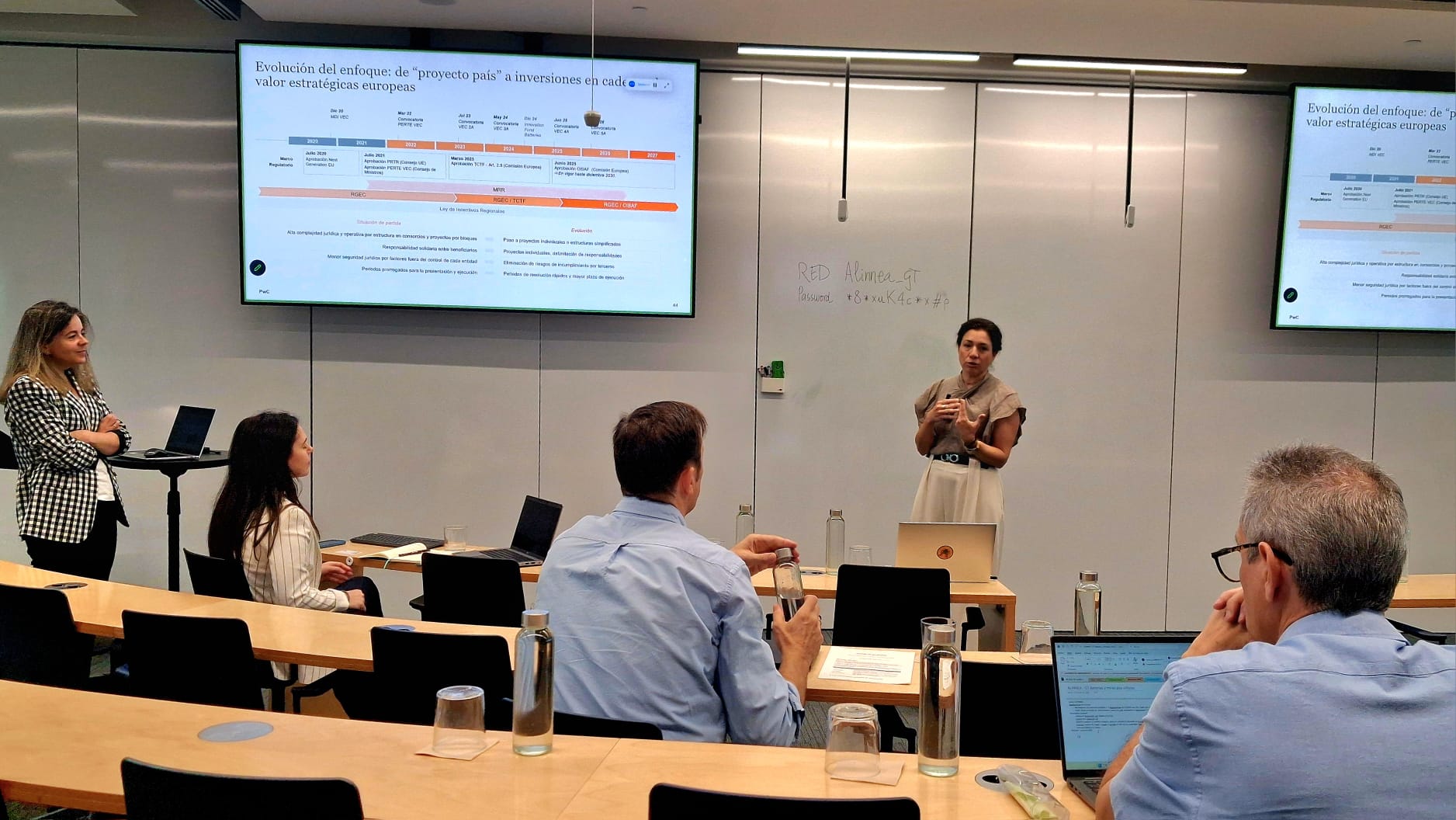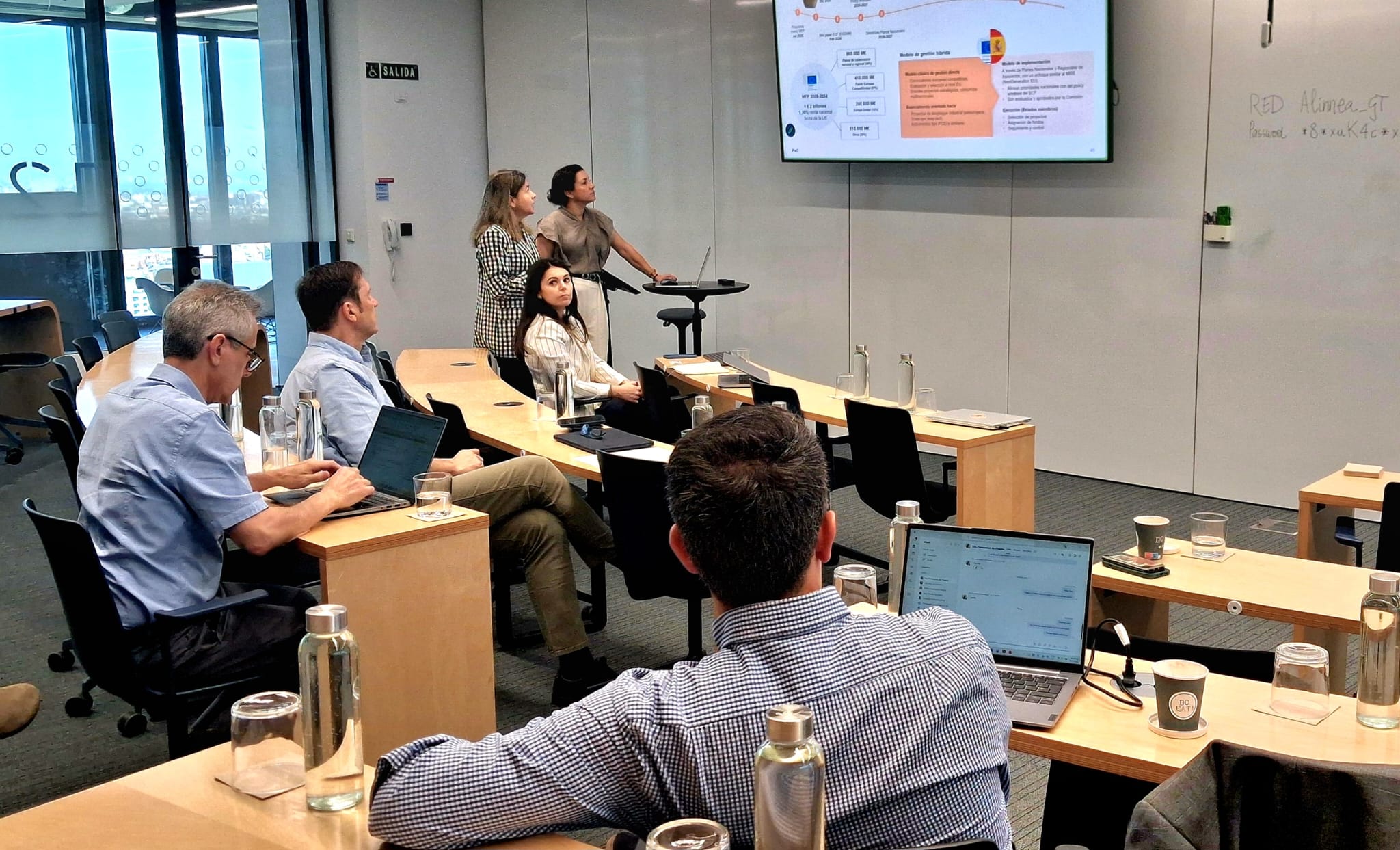
The Batteries and Critical Minerals Working Group, promoted by alinnea, has concluded its sessions after several months of dialogue aimed at identifying the conditions needed to strengthen a strategic industry for the energy transition, electric mobility, and Europe’s industrial autonomy.
Over the course of three working sessions, participants shared assessments, analyzed barriers, and explored potential pathways to consolidate a competitive, sustainable, and resilient value chain in Spain.
The group began by examining Spain’s position within the electric vehicle and battery value chain in a context shaped by the drive for “Made in Europe,” increasing global competition, and the strengthening of European industrial policy. During this first session, participants analyzed the main regulatory, financial, and industrial challenges affecting the development of a robust manufacturing base, as well as the alignment between national planning, the European strategy, and the sector’s actual needs.
The second session focused on access to critical raw materials such as lithium, nickel, and cobalt. Participants discussed the role of mining and refining in Europe and Spain, the importance of international strategic partnerships, and the need to move towards more secure and diversified supply chains. They also highlighted that strategic autonomy can only be built on projects that enjoy social legitimacy, uphold high environmental standards, encourage local stakeholder participation, and embrace a just transition approach.
The final session explored the technological, financial, and workforce factors that will shape the future competitiveness of the battery industry. The rapid evolution of the sector, driven by new battery chemistries, product designs, advances in electronics, and digitalization, requires robust yet flexible investment decisions to minimize the risks of technological obsolescence and stranded assets. Participants also examined the financing instruments and public support mechanisms needed to accelerate strategic industrial projects, together with the challenges related to employment, workforce skills, and regional development.
Among the key conclusions emerging from the process was the recognition of batteries and critical minerals as essential pillars of European industrial competitiveness and the decarbonization of transport. Participants agreed that strengthening this value chain requires coordinated action across multiple dimensions, including industrial policy, regulation, financing, technological innovation, sustainable access to raw materials, social acceptance, and talent development.
The transition to electric mobility will not depend solely on technological deployment. It will require stable policy frameworks, investment, industrial capabilities, public-private collaboration, and spaces for dialogue capable of bringing together diverse perspectives to build shared solutions.
Next Steps
As a continuation of this process, participants will meet in the coming weeks for an additional session to review and provide feedback on the draft roadmap developed from the contributions gathered throughout the working group.
The document will compile the main recommendations identified to strengthen the batteries and critical minerals value chain in Spain, reinforce industrial competitiveness, and contribute to Europe’s decarbonization and strategic autonomy objectives.
At alinnea, we would like to thank all the organizations and professionals who contributed their expertise, knowledge, and vision to this collective dialogue process.