Home / alinnea brings the automotive sector together for a new dialogue on the future of electric vehicles in Europe and Spain
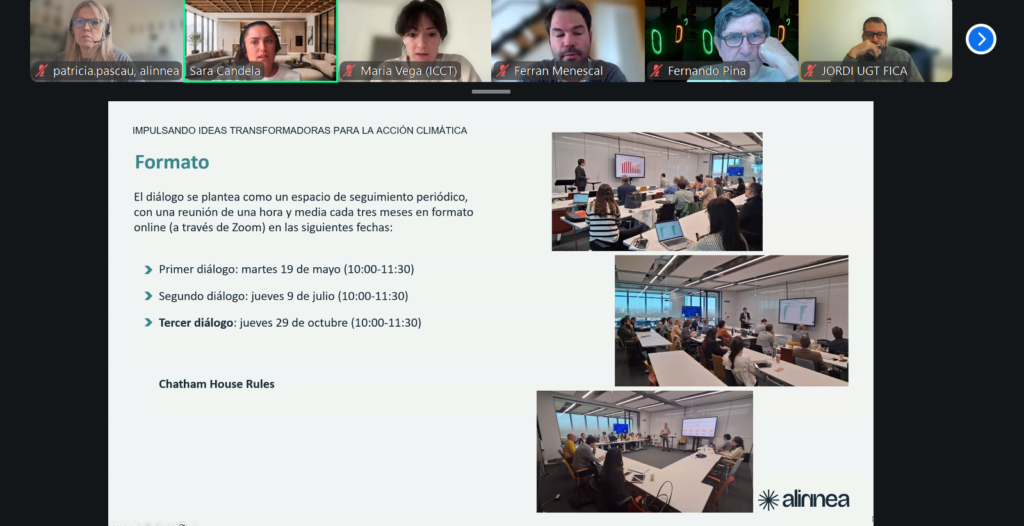
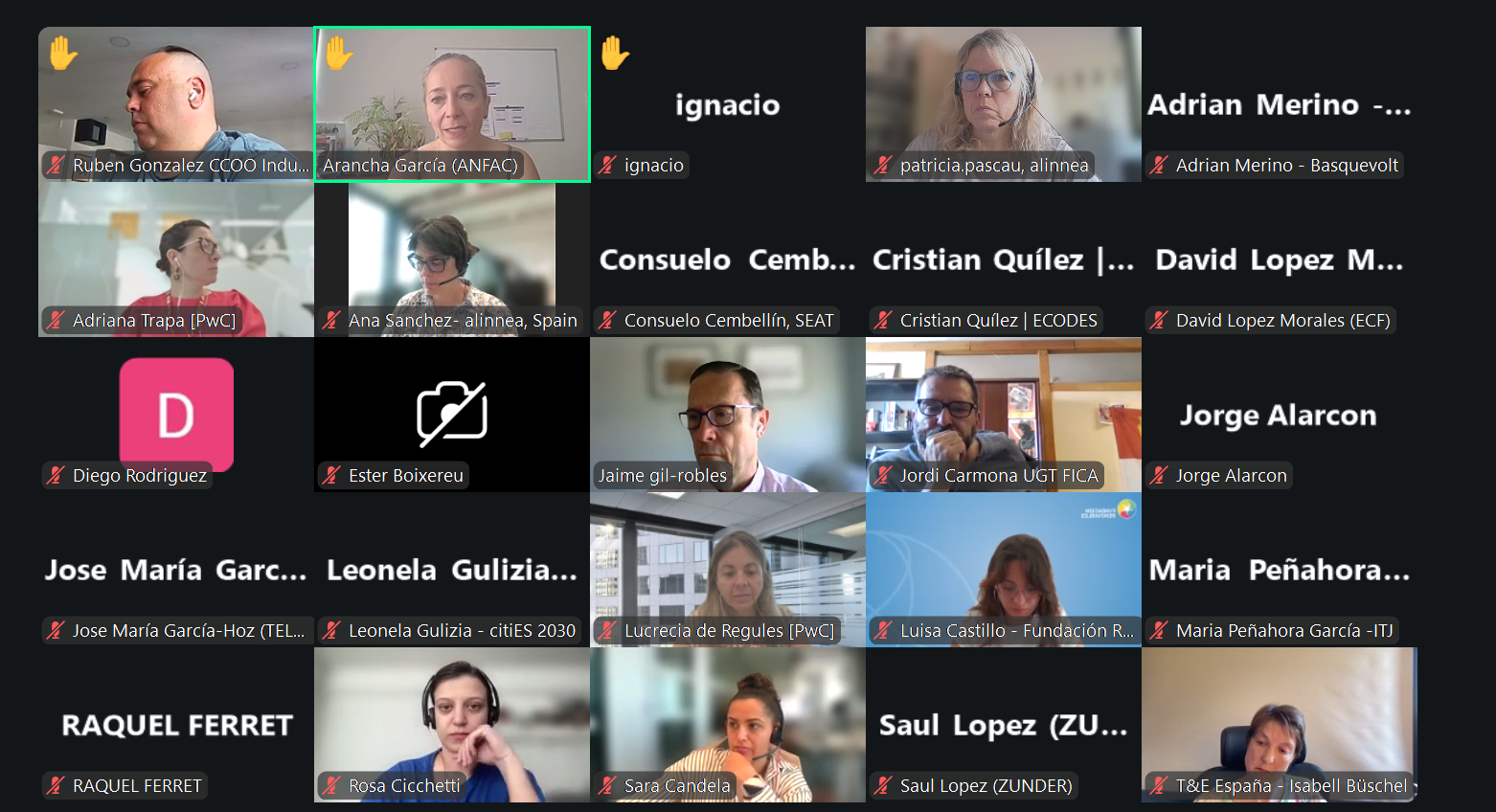
alinnea held the third session of its regular dialogues on electric vehicle developments in Europe and Spain on 29 October. The meeting continued the exchange among representatives from industry, trade unions, public authorities and civil society organisations, against a backdrop of growing electric vehicle registrations and debate over the future of Europe’s automotive industry.
The session reviewed developments since the July meeting and brought together different perspectives on purchase incentives, industrial investment and European proposals on CO₂ emissions and local content. Participants also shared their priorities to help shape alinnea’s work in 2027.
The meeting examined developments in the Auto Plus programme and its relationship with the increase in vehicle registrations in Spain. Participants highlighted the high volume of applications and the importance of predictable funding to sustain demand and support purchasing decisions.
According to the data presented during the session, battery electric vehicles accounted for 18% of Spain’s new passenger car market in September, exceeding the share of plug-in hybrids. Together, the two technologies accounted for 24% of registrations from January to September.
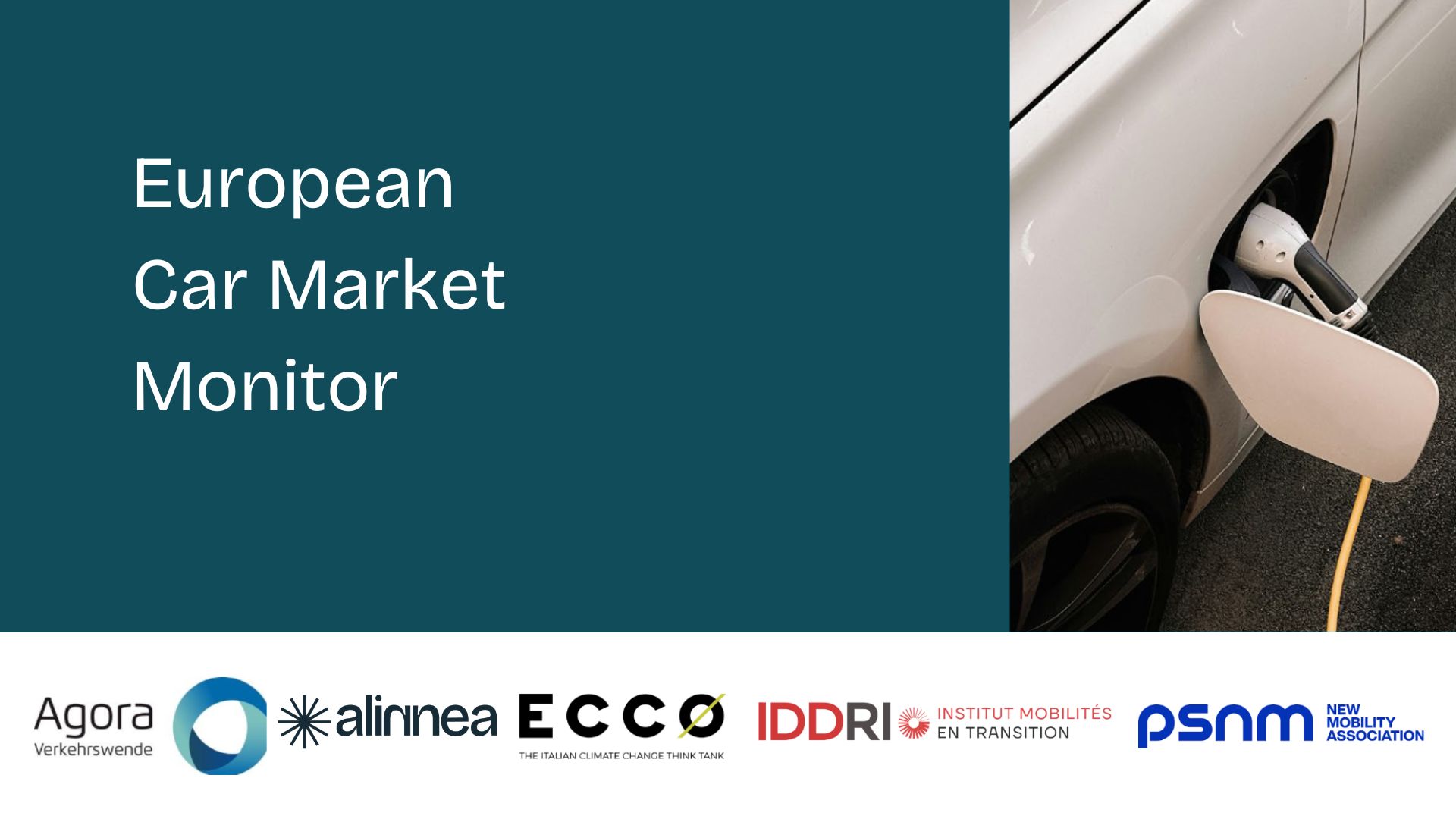
The International Council on Clean Transportation (ICCT) contributed to the analysis by presenting the Market Monitor, produced in collaboration with alinnea and other European think tanks. The presentation examined trends across the main markets and the role of incentives and emissions regulations in advancing electrification.
Another focus of the dialogue was tracking industrial investments and partnerships announced in Spain, covering both vehicle manufacturing and the battery value chain.
The exchange highlighted their potential to sustain manufacturing activity, attract technology and create jobs. Participants also raised the need for these investments to be accompanied by commitments that strengthen the European and Spanish industrial base.
In this context, participants stressed the importance of involving local suppliers and incorporating engineering, software development, research, development and innovation, as well as decision-making capabilities and technology transfer. The discussion focused on how new operations could contribute to the development of the entire value chain and the adaptation of the automotive components industry.
A central part of the session addressed proposals to revise European CO₂ emissions targets for cars and vans, alongside the definition of European content requirements under the Industrial Accelerator Act.
Participants reviewed the different positions put forward by European institutions and Member States, stressing that, at the time of the meeting, the proposals were still under negotiation and did not constitute adopted changes to the law.
The debate reflected different perspectives on how to strengthen European production. Some contributions advocated closer links between public incentives, manufacturing and the creation of added value in Europe. Others warned that overly demanding local content requirements could increase costs and undermine the competitiveness of European electric vehicles.
These reflections highlighted the need to assess the combined effects of industrial policy on investment, prices, demand and employment.
The final part of the meeting included a participatory exercise to identify potential areas of work for alinnea in 2027. Monitoring Chinese investment in Spain and European industrial policy, including the conditions associated with the “Made in Europe” concept, received the strongest support. Participants also highlighted the importance of addressing the just transition from a regional and local perspective.
Several contributions also called for greater attention to the electrification of heavy-duty and freight transport. Participants raised the need to analyse the financial barriers to fleet renewal, the availability of incentives and the deployment of charging infrastructure at fleet premises.
With this third session, alinnea concludes the first edition of its forum for monitoring and dialogue on electric mobility, providing a space to share information and discuss different positions on industrial transformation and transport decarbonisation.