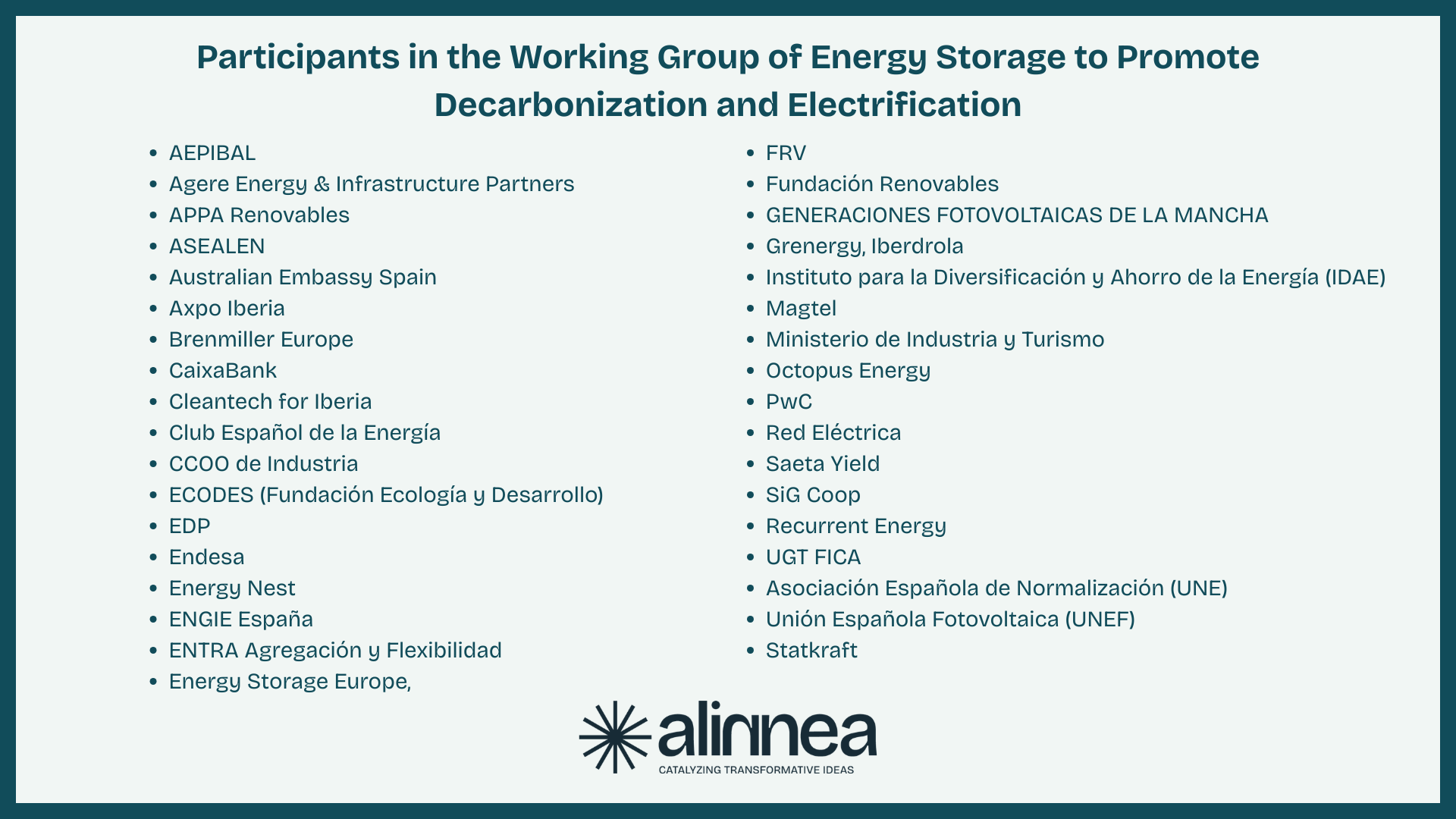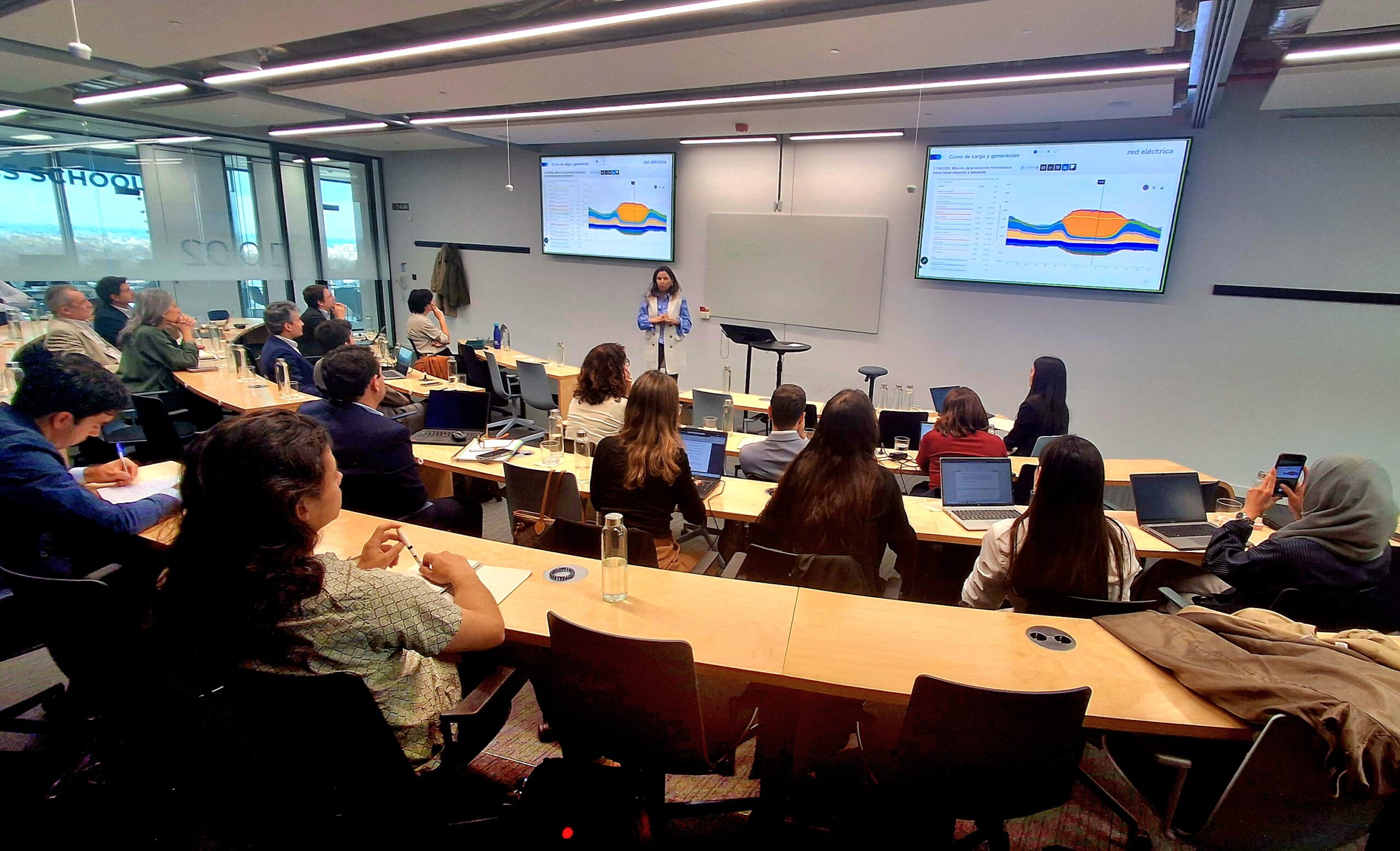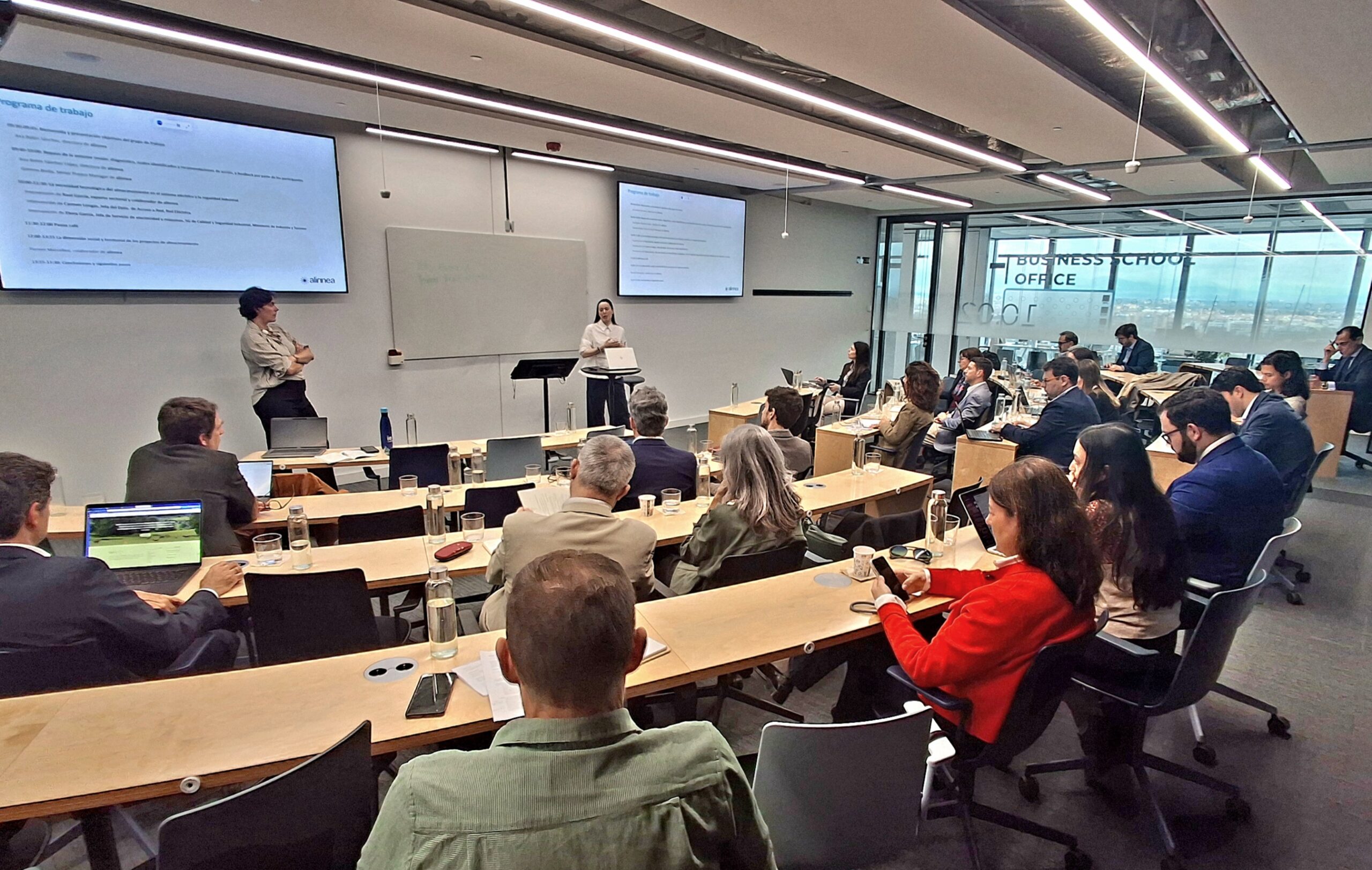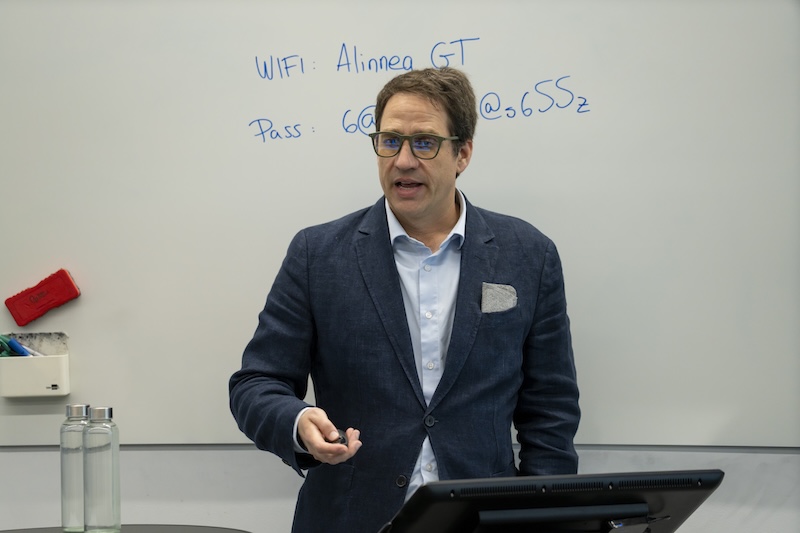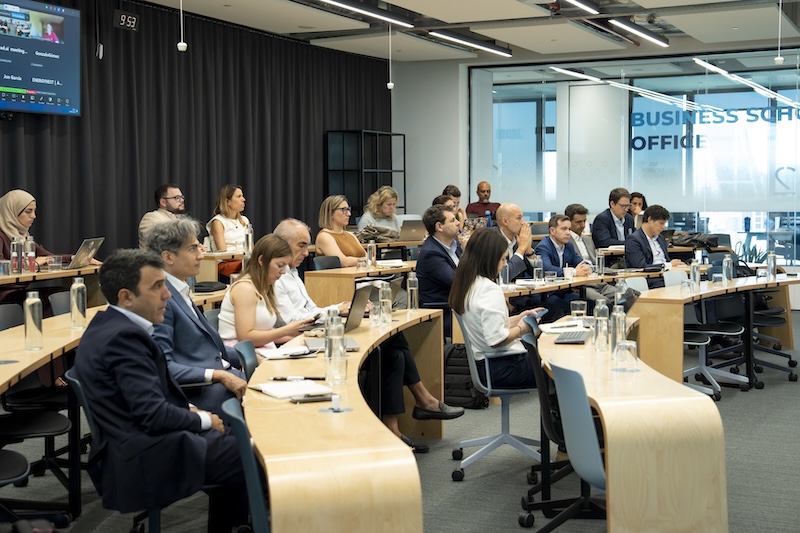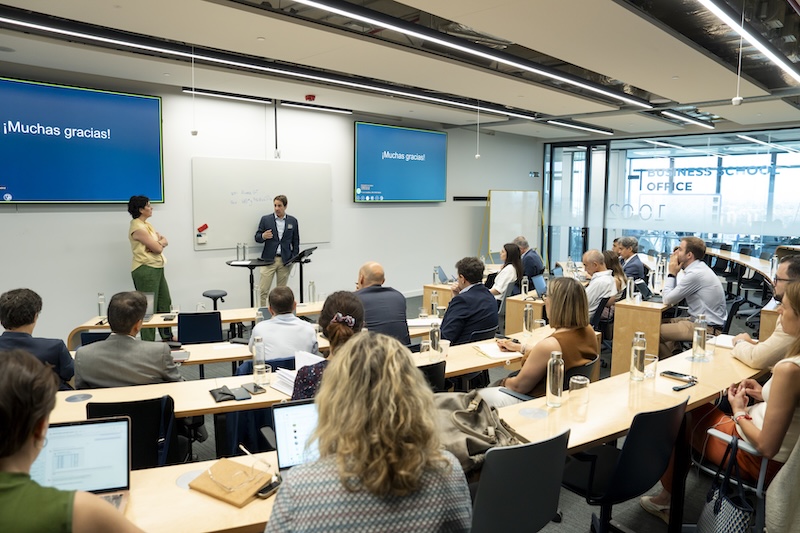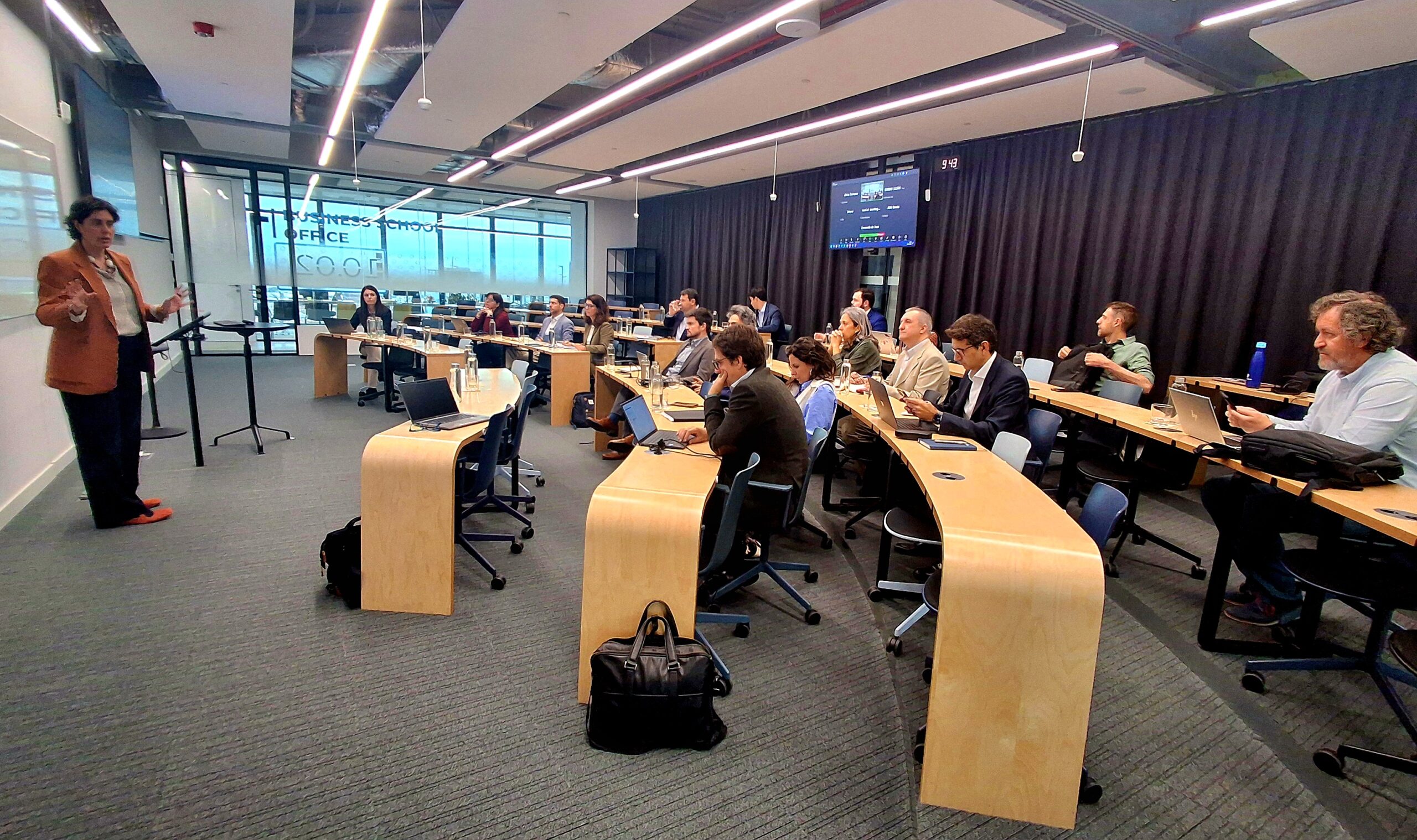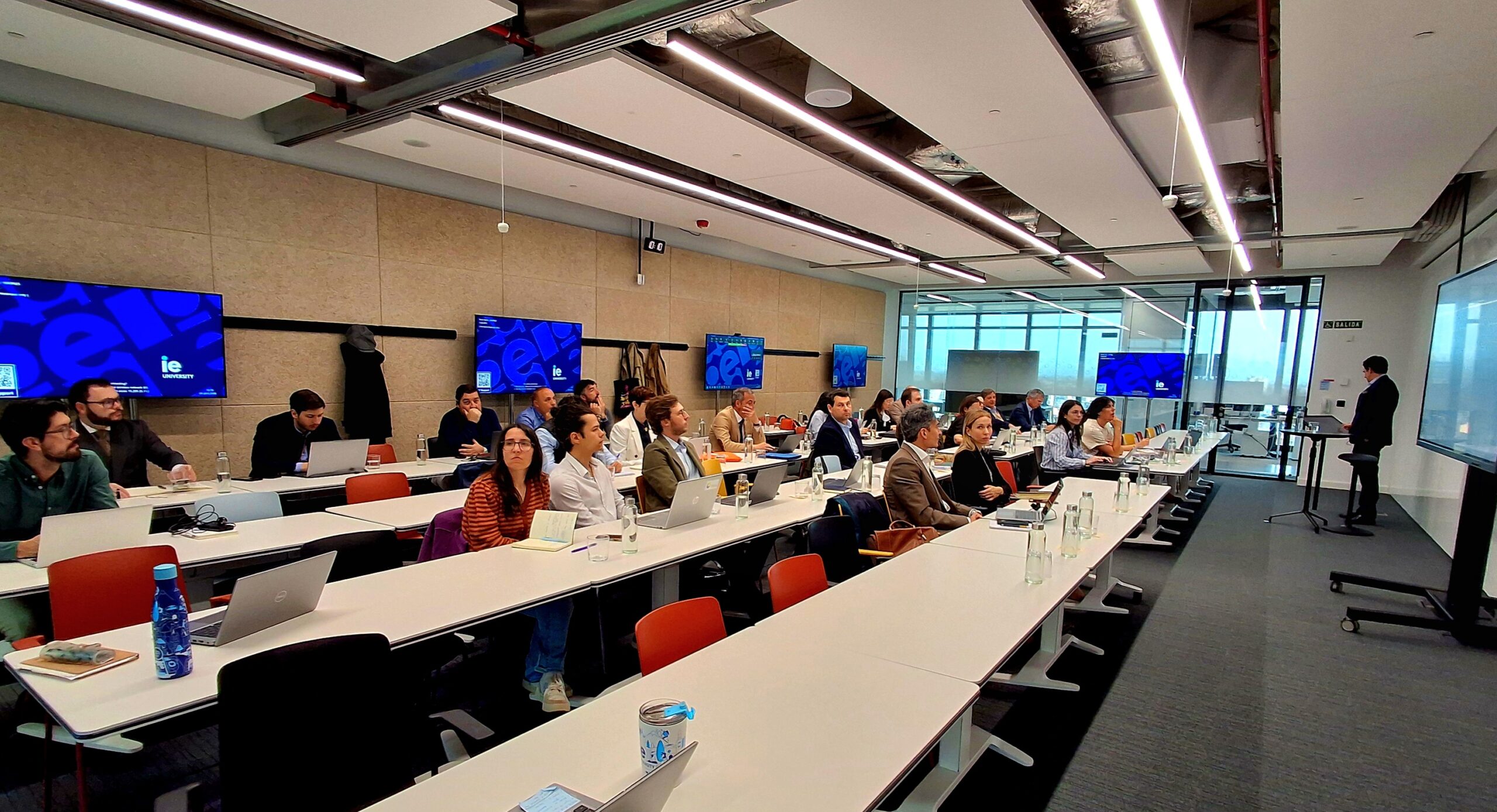
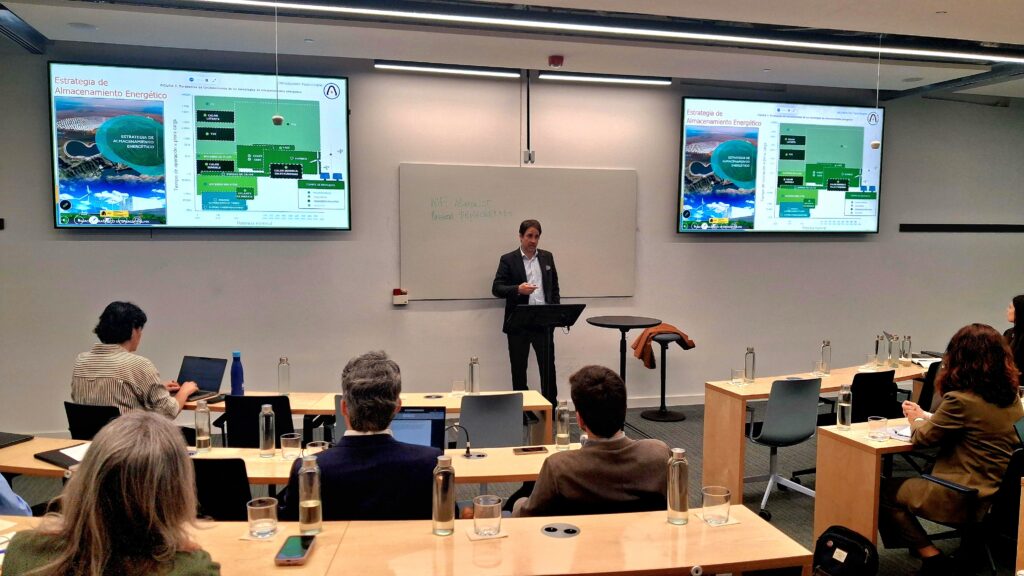
The Working Group on Energy Storage and Power System Flexibility, promoted by alinnea, has concluded its sessions after several months of collaborative work aimed at identifying the conditions required to deploy energy storage at the scale demanded by the energy transition.
Over the course of three working sessions, representatives from companies, public administrations, industry associations, financial institutions, knowledge centers, and social stakeholders shared assessments, analyzed barriers, and explored potential pathways to accelerate the development of a key component of Spain’s future energy system.
The group began by examining the regulatory and market context shaping the deployment of energy storage and flexibility resources. Participants analyzed issues related to energy planning, network regulation, market design, public support mechanisms, cybersecurity, and the role these solutions must play in ensuring competitiveness, strengthening the resilience of the electricity system, and supporting industrial decarbonization.
In a second phase, discussions focused on the various storage technologies and their applications across different segments of the energy system. The sessions provided an opportunity to explore their technological and industrial maturity, their contribution to renewable energy integration, demand electrification, and security of supply. Participants also addressed issues related to the territorial dimension of these infrastructures, the social acceptance of projects, and the innovation and industrial development opportunities associated with their growth.
The final session focused on a decisive question for the sector: how to enable the large-scale deployment of these solutions. To this end, participants examined emerging business models, financing mechanisms, project profitability, risk management, the role of financial institutions, and the opportunities that could help mobilize the investment required to accelerate the development of energy storage.
Among the key conclusions emerging from this process was the recognition of energy storage and flexibility as strategic pillars of the energy transition.
Participants agreed that these solutions can no longer be viewed as complementary technologies, but rather as essential enablers for the large-scale integration of renewable energy, the strengthening of power system resilience, and the support of the growing electrification of the economy.
The transformation of the energy system requires appropriate regulatory frameworks, technological innovation, investment, territorial acceptance, and, above all, collaborative spaces capable of bringing together diverse perspectives to build shared solutions.
As a continuation of this process, participants will meet in the coming weeks for an additional session to review and provide feedback on the draft roadmap developed from the contributions gathered throughout the working group. The document will compile the main recommendations and proposals identified to accelerate the deployment of energy storage and flexibility resources in Spain, and its publication is scheduled for September 2026.
At alinnea, we would like to thank all the organizations and professionals who contributed their expertise, knowledge, and vision to this collective dialogue process. Their participation and commitment have been instrumental in advancing this shared reflection on the future of energy storage and system flexibility in Spain.