Accelerating the decarbonisation of the chemical industry requires conditions that enable investment in new processes, access to competitively priced energy, and demand for products with a lower environmental impact. This transformation is essential to reduce the sector’s emissions and safeguard an industry that supplies materials and solutions to 98% of Spain’s productive sectors.
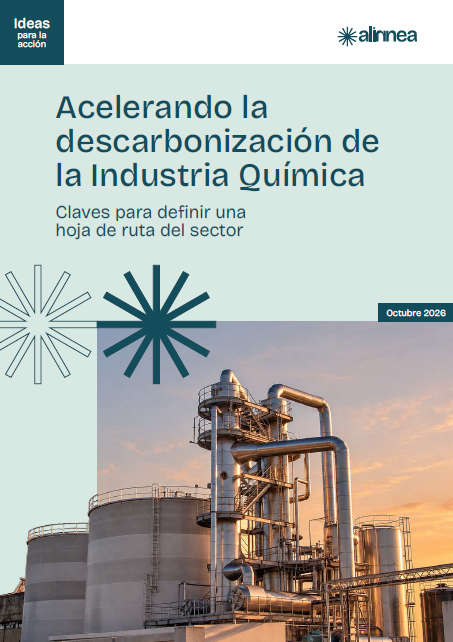
This is the main conclusion of alinnea’s new report, “Accelerating the Decarbonisation of the Chemical Industry: Key Considerations for Defining a Sector Roadmap”, presented today at IE University during the event “The Chemical Industry in Transition: Innovation, Competitiveness and Climate Action”.
The report proposes aligning climate, energy, industrial and trade policies to advance emissions reductions and circularity while strengthening competitiveness and production capacity. It is the result of a multi-stakeholder dialogue held between March and July 2026. Across four sessions, participants shared business, technological, regulatory, financial and social perspectives to identify the main barriers and develop proposals for action.
According to the figures compiled in the report, the Spanish chemical industry recorded turnover of €85.417 billion in 2025 and supported more than one million direct, indirect and induced jobs. Its transformation therefore has implications beyond its own facilities: it can also help other value chains decarbonise.
The report identifies ten interconnected areas of barriers affecting the decarbonisation of the chemical industry. In energy, high electricity costs and dependence on natural gas, particularly for generating process heat, hinder the sector’s transformation. These challenges are compounded by grid constraints and the need to develop storage, hydrogen and CO₂ management infrastructure to deploy different technological solutions at industrial scale.
Another set of barriers concerns regulatory and administrative complexity. Overlapping environmental, industrial, energy and planning permits require greater coordination between public authorities, while a lack of regulatory predictability creates uncertainty around investment decisions that depend on stable long-term conditions. The assessment also identifies a gap between planning and implementation, making it difficult to translate strategies into concrete projects.
Investment and financing are another major bottleneck. The transformation requires substantial expenditure, involves long payback periods and relies on technologies at different stages of maturity. These conditions make it difficult for some projects to secure financing or become commercially viable on their own. In addition, insufficient demand for low-carbon and circular products, together with the absence of price signals that recognise their lower environmental impact, limits producers’ ability to recover production costs.
The report also examines barriers to circularity and the use of secondary raw materials. A lack of harmonised measurement, certification and traceability methodologies makes it difficult to substantiate recycled content, material origins and emissions reductions. These shortcomings affect both market confidence and the ability to verify that imported products meet requirements equivalent to those imposed on European production.
Finally, international competitive pressure and external dependence on energy, raw materials and technologies increase the sector’s vulnerability to geopolitical tensions and supply disruptions. The assessment stresses that these barriers reinforce one another: having a technology available does not guarantee its deployment if infrastructure, financing, regulatory certainty or demand are lacking. It therefore calls for a coordinated response that advances decarbonisation while safeguarding production capacity, investment and jobs.
Building on this assessment, alinnea proposes three priority measures:
1. Promote green public procurement to create demand.
The report proposes using public procurement to create stable markets for low-carbon and circular products, as well as those manufactured using renewable and secondary raw materials. Predictable purchasing would reduce uncertainty for businesses and help new solutions scale up.
To achieve this, it proposes identifying priority categories, establishing common and verifiable environmental criteria, and planning and pooling purchases across public authorities. It also recommends linking support for new production capacity to measures that stimulate demand for the resulting products.
2. Strengthen coordination between European carbon instruments.
The study proposes improving the combined effectiveness of the European Union Emissions Trading System (EU ETS) and the Carbon Border Adjustment Mechanism (CBAM).
The aim is to maintain a predictable incentive to reduce emissions while preventing production from relocating to countries with less stringent climate requirements. To this end, it recommends aligning the phase-out of free emission allowances with the border mechanism’s effective capacity to prevent carbon leakage.
The report also proposes assessing whether protection should be extended to other exposed products and value chains, and linking support mechanisms and the revenues generated to verifiable decarbonisation investments.
3. Strengthen market surveillance and customs controls.
The third proposal aims to ensure that imported products comply with the same obligations as those manufactured in the European Union. The report recommends strengthening staffing, technological resources and laboratory capacity, improving coordination between authorities, and targeting checks at the highest-risk products and transactions.
It also proposes developing interoperable information, certification and traceability systems to verify compliance with requirements and substantiate products’ environmental characteristics.
Beyond these three main proposals, the report sets out measures to improve the conditions that enable industrial transformation. On energy, it proposes reviewing the tax components of electricity bills, stabilising network charges and strengthening compensation for indirect CO₂ costs, alongside developing grids, storage, hydrogen infrastructure and carbon management infrastructure. It also calls for faster and better-coordinated permitting procedures, greater harmonisation of administrative criteria, and financing instruments tailored to the characteristics of industrial projects. These actions are structured around three time horizons: short-term measures to unlock investment, medium-term measures to expand the deployment of solutions, and long-term measures to establish a competitive, flexible industrial system integrated with renewable energy.
On technology, the roadmap combines energy efficiency and electrification of the processes best suited to it with the development of renewable hydrogen and pilot projects for CO₂ capture, utilisation and storage to address harder-to-abate emissions. On circularity, it proposes advancing chemical recycling as a complement to mechanical recycling for complex waste streams, supported by traceability and mass balance methodologies to verify the use of secondary raw materials. It also proposes strengthening certification and environmental labelling so that lower emissions and circularity are effectively recognised in the market, while aligning recycled-content requirements with material availability. Identifying critical industrial capabilities and diversifying suppliers and supply routes complete these measures, with the aim of reducing vulnerabilities and preventing the transition from creating new dependencies on foreign technologies.
The report organises its recommendations around three time horizons. Over the next two years, the priority is to unlock investment by reducing energy costs, strengthening grids, streamlining permitting, improving financing and ensuring regulatory stability.
Over a three-to-five-year horizon, the objective is to expand the deployment of technologies and infrastructure and establish markets for sustainable products. Beyond five years, the roadmap seeks to advance towards a climate-neutral, circular industrial model, supported by an energy system integrated with production needs.
The report stresses that there is no single technological solution for the entire chemical industry. The transformation will require a combination of energy efficiency, electrification, renewable hydrogen, thermal storage, carbon capture, utilisation and storage, alternative raw materials and circular solutions, tailored to the characteristics of each activity.
This transformation must be accompanied by training, worker participation and dialogue with local communities, while protecting health and the environment and preserving jobs and industrial capabilities.
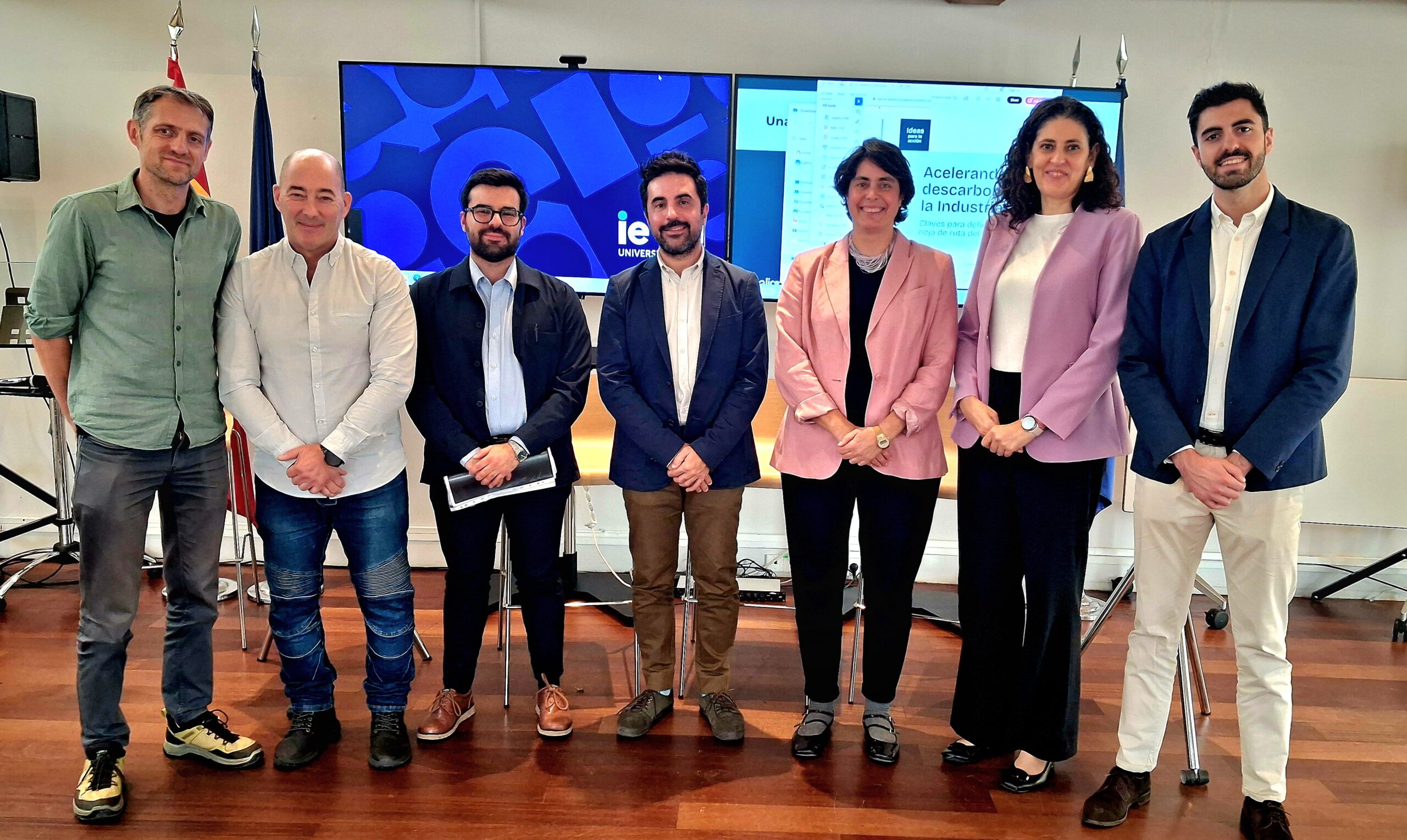
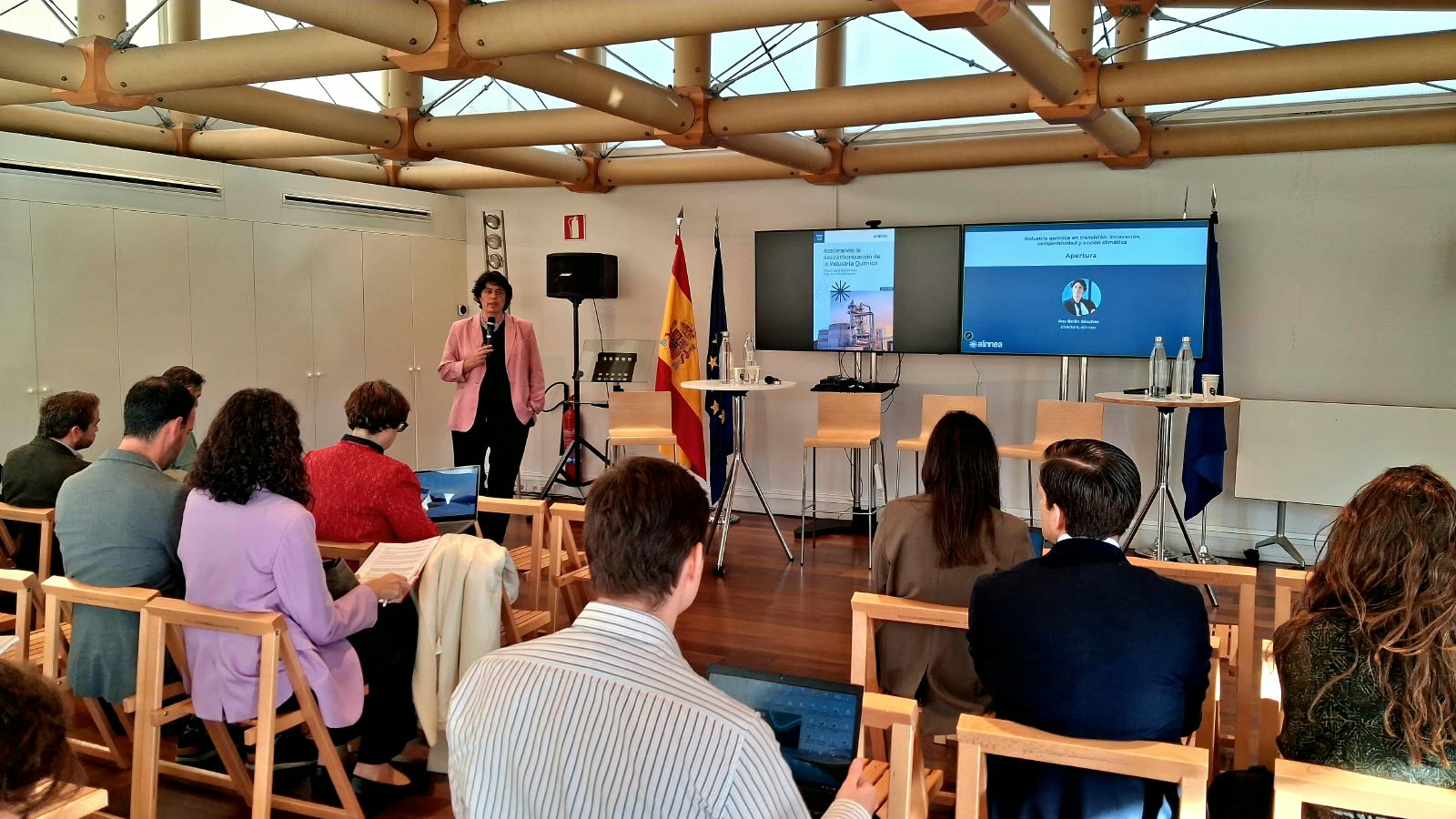
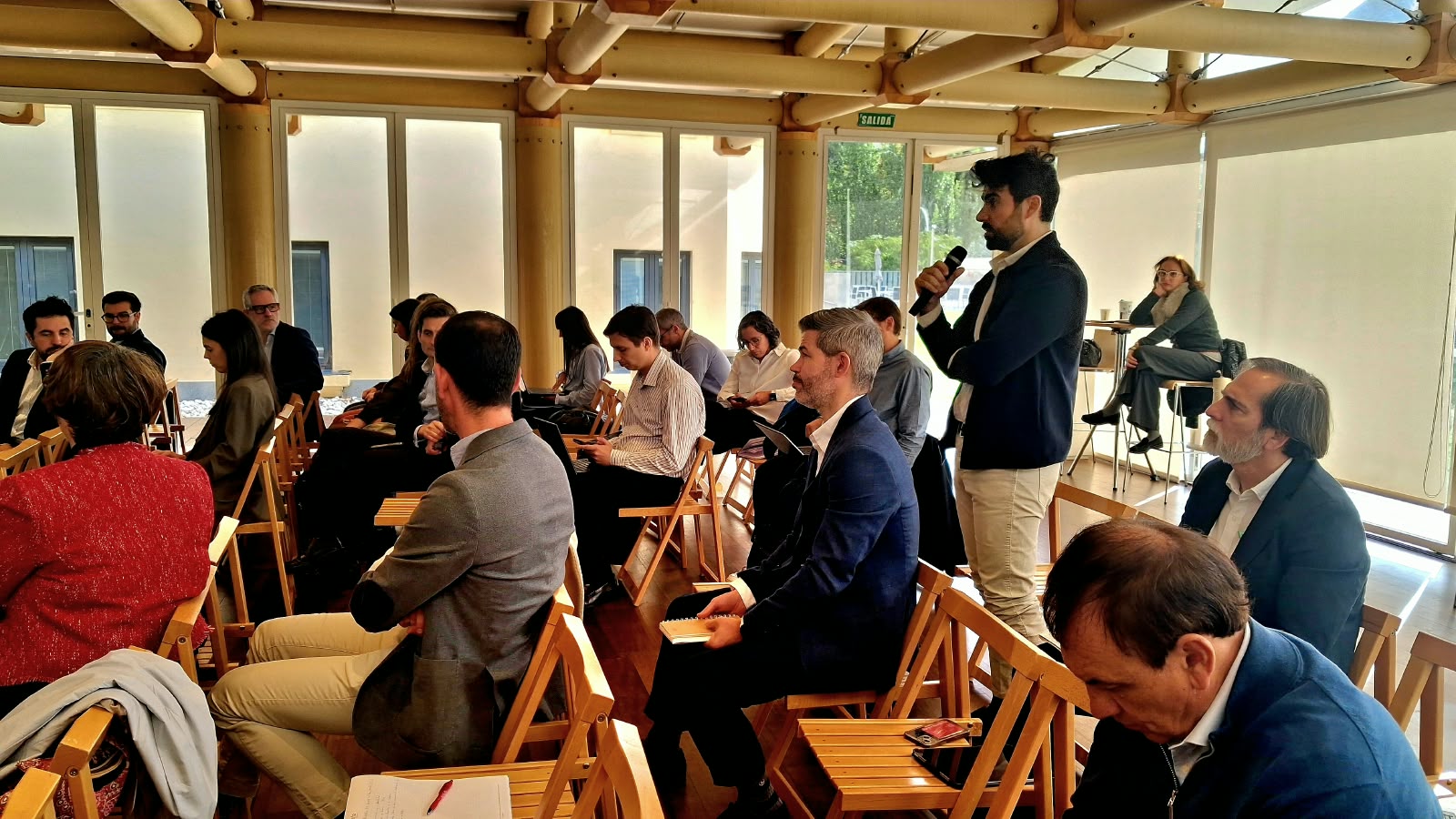
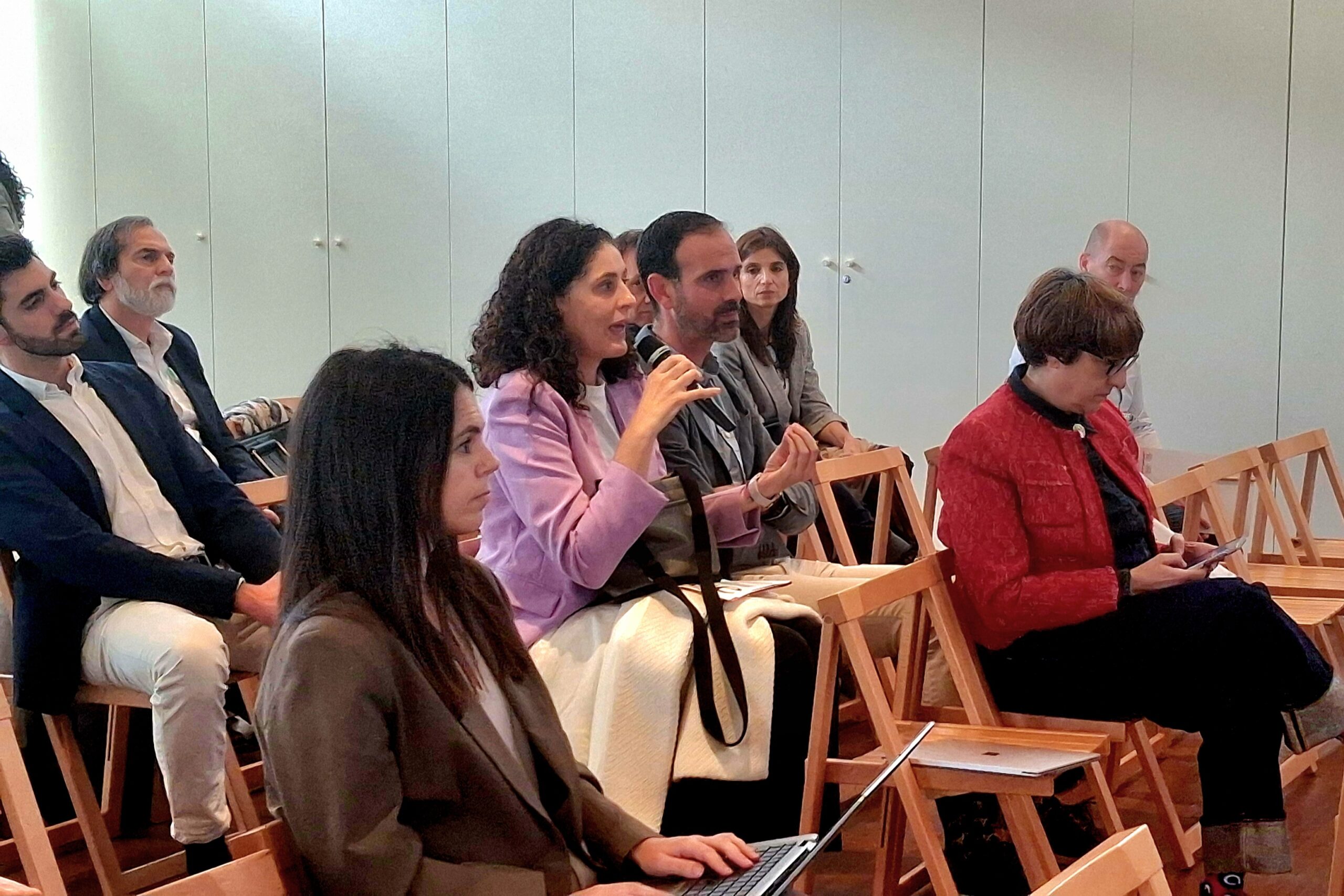
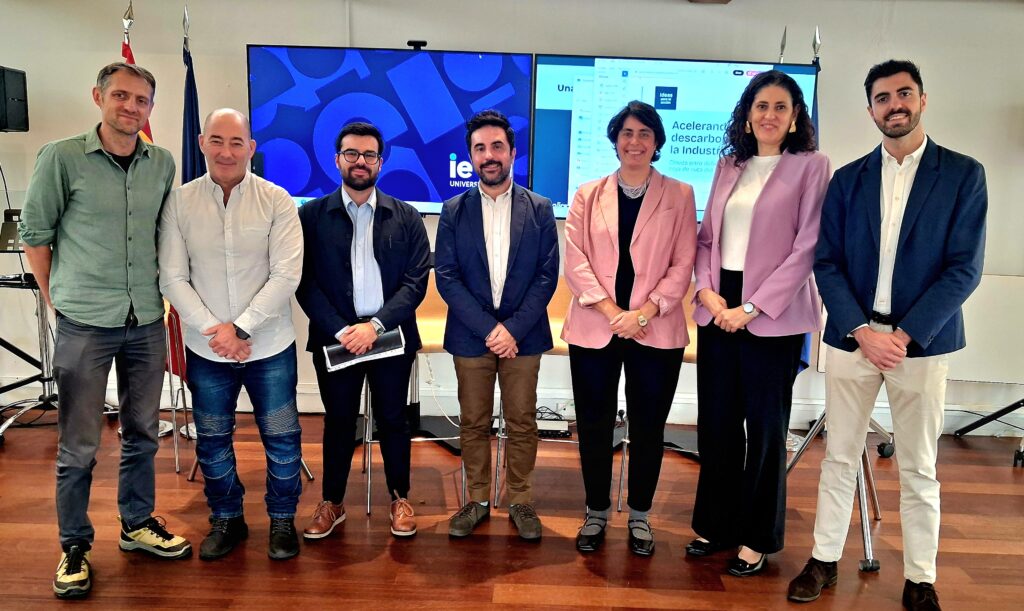
The report launch, held at IE University’s Pabellón de Papel in Madrid, brought together representatives from the chemical sector, public authorities, civil society and trade unions to discuss the technological, regulatory and investment needs involved in advancing decarbonisation and strengthening the sector’s competitiveness.
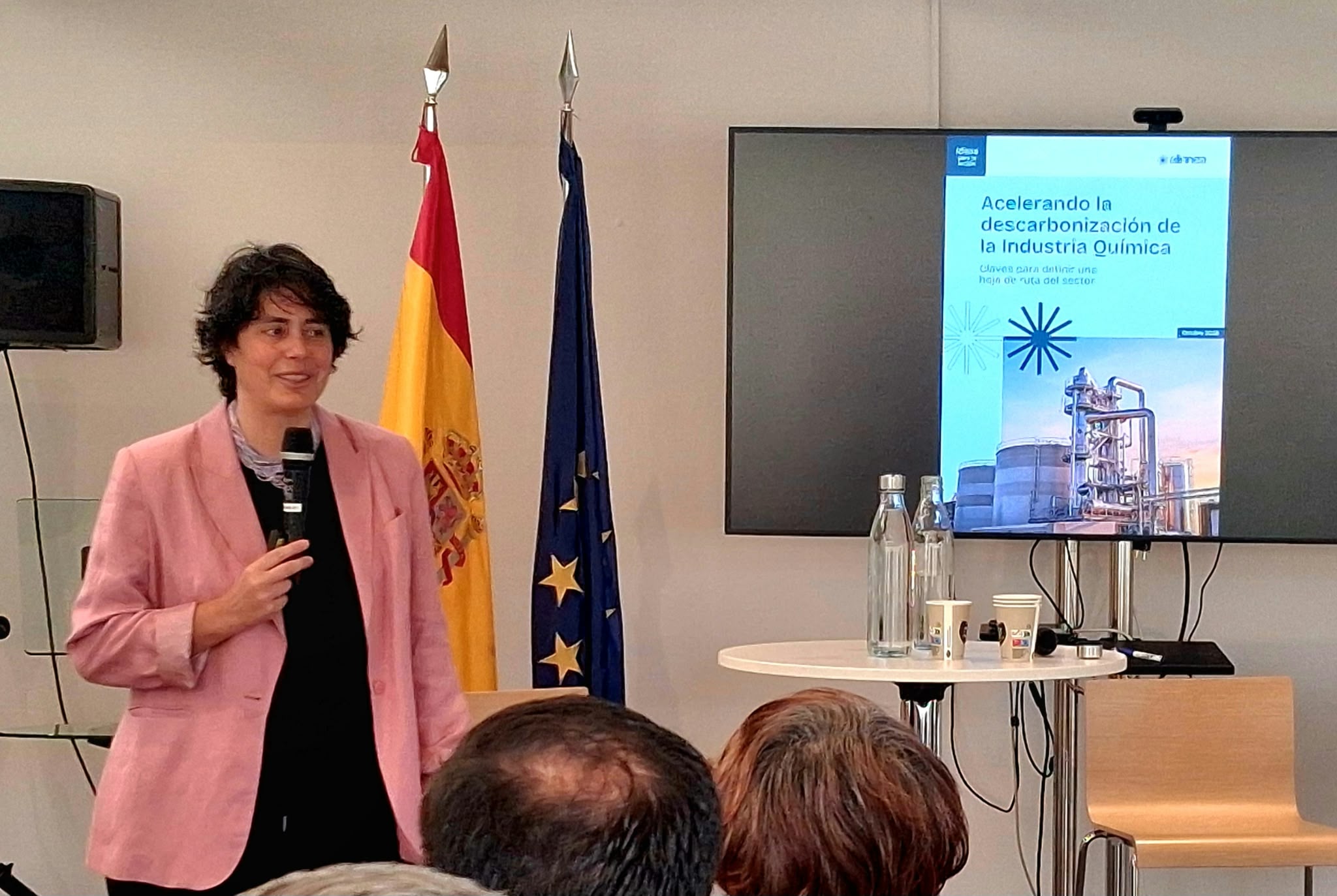
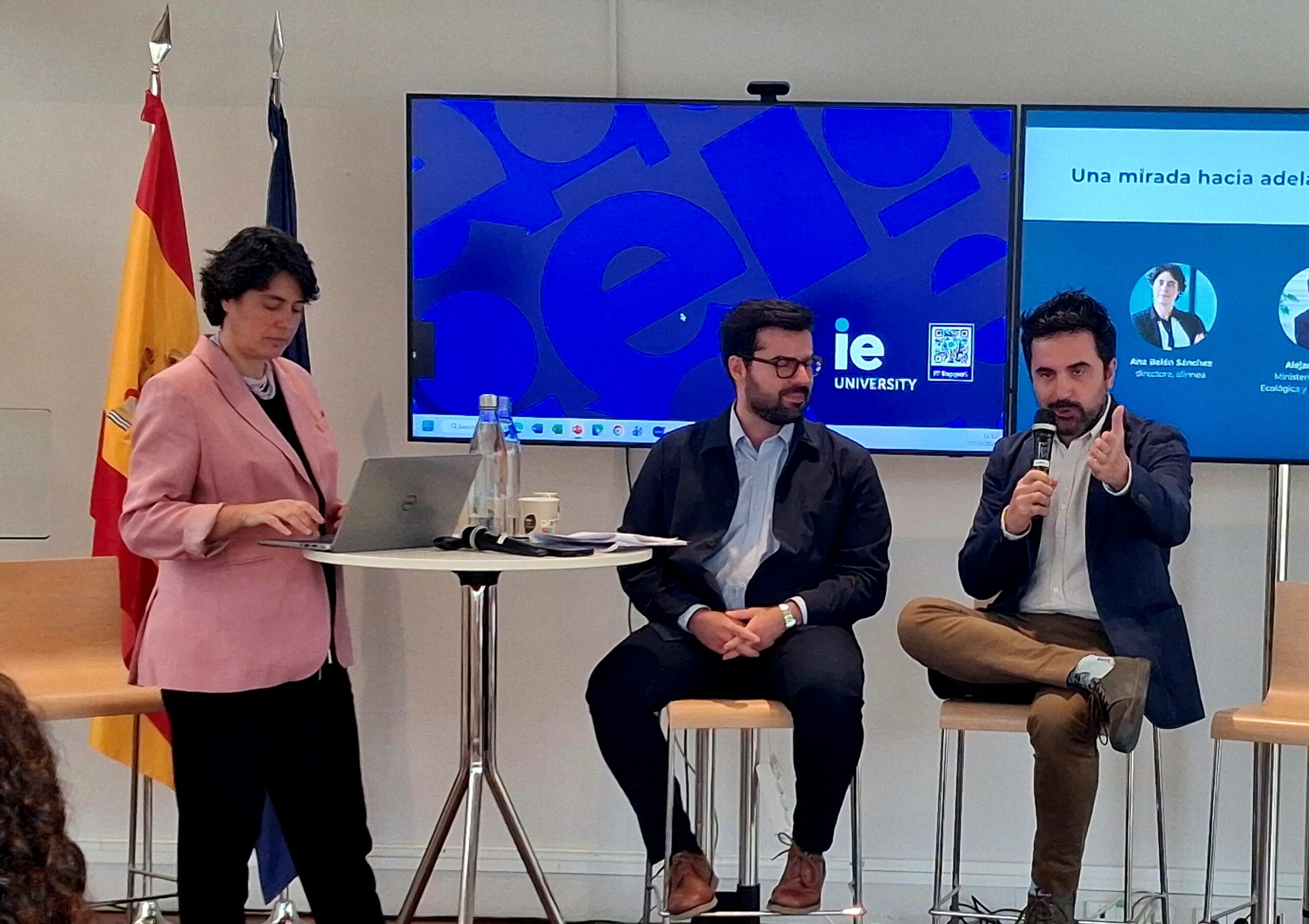
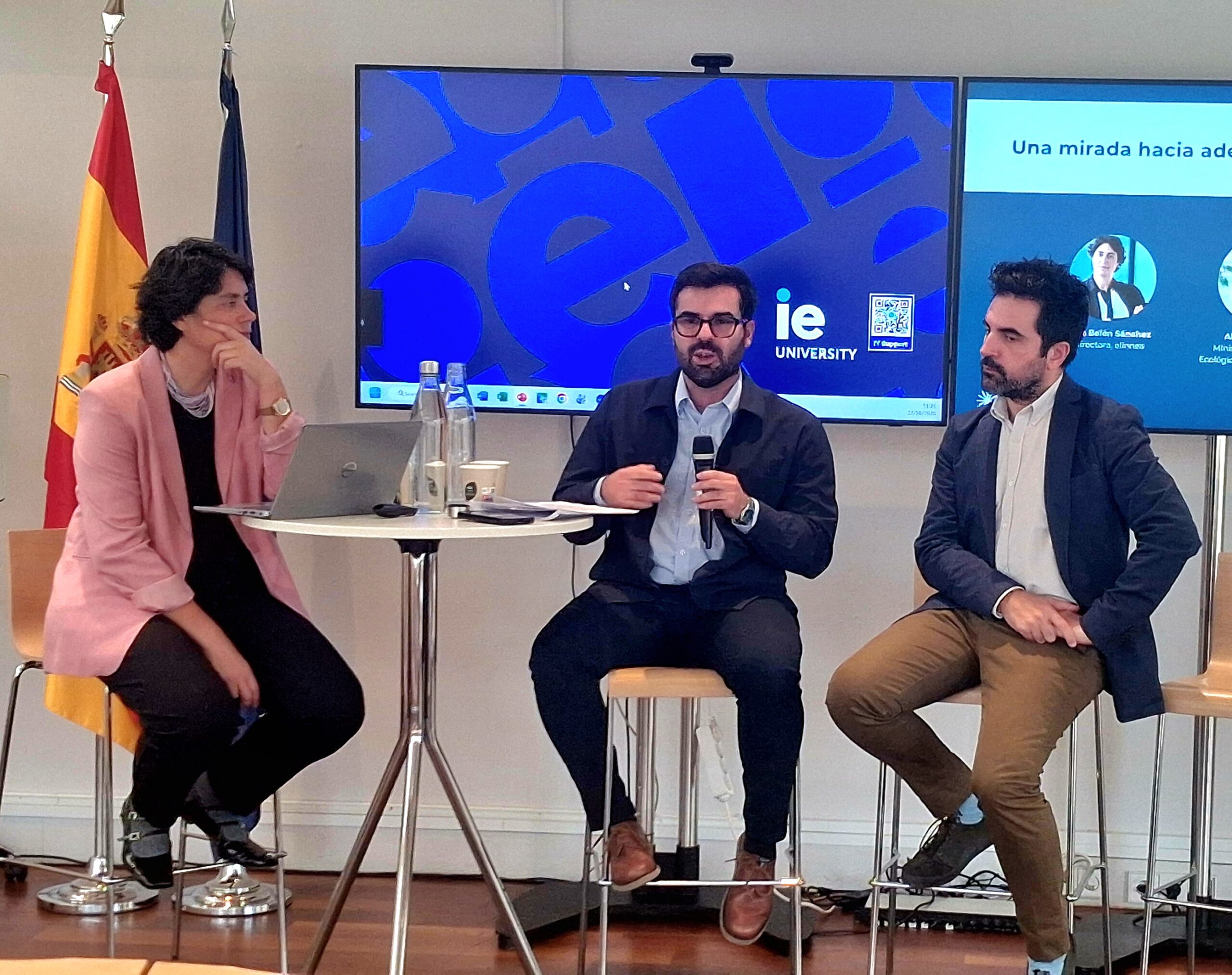
The event opened with Ana Belén Sánchez, Director of alinnea, who introduced the video “Voices from the Working Group”.
Sánchez then presented the report “Ideas for Action: Accelerating the Decarbonisation of the Chemical Industry” and summarised its priorities with a clear message: “We need to remove barriers, create markets, and protect and transform the sector.”
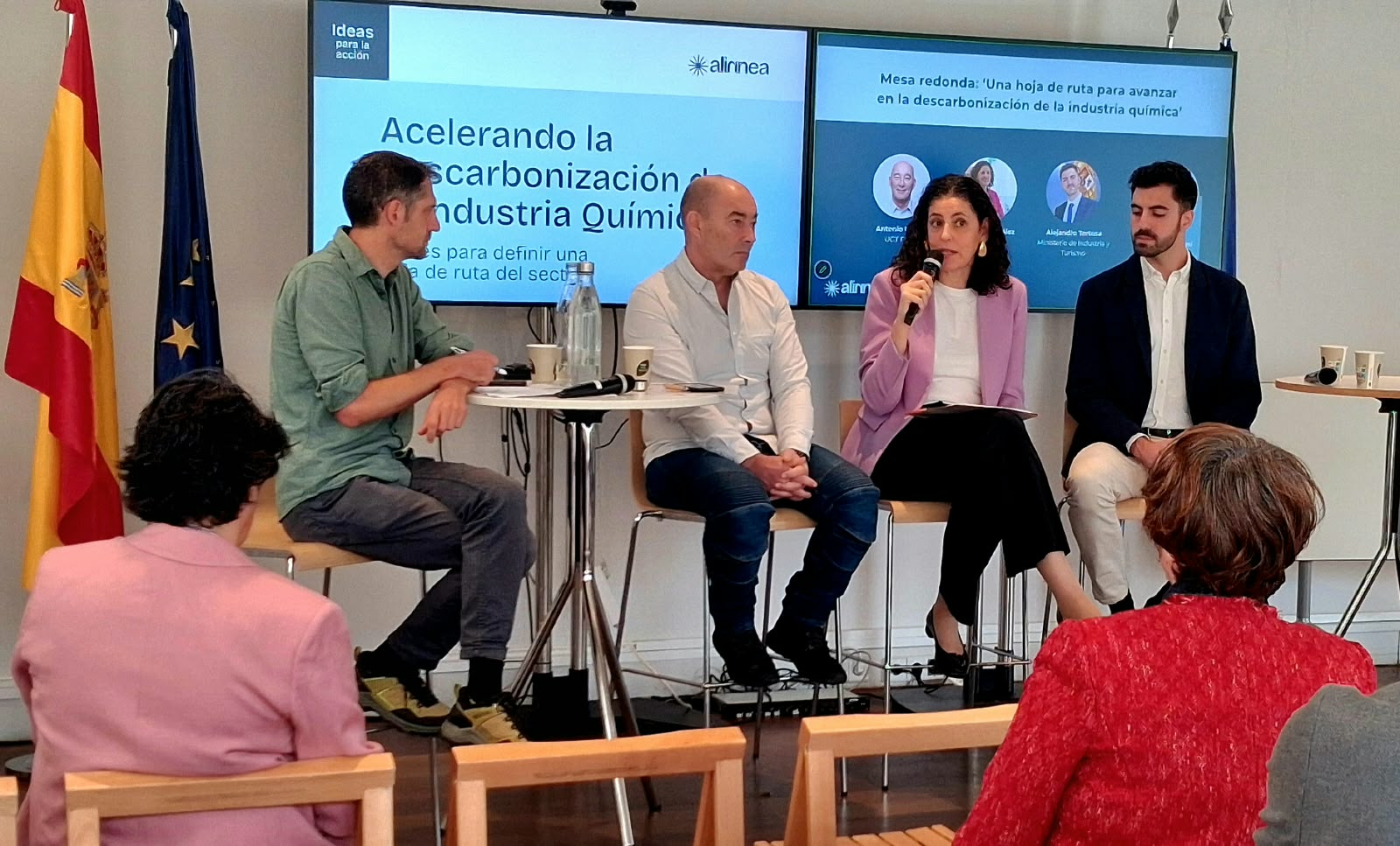
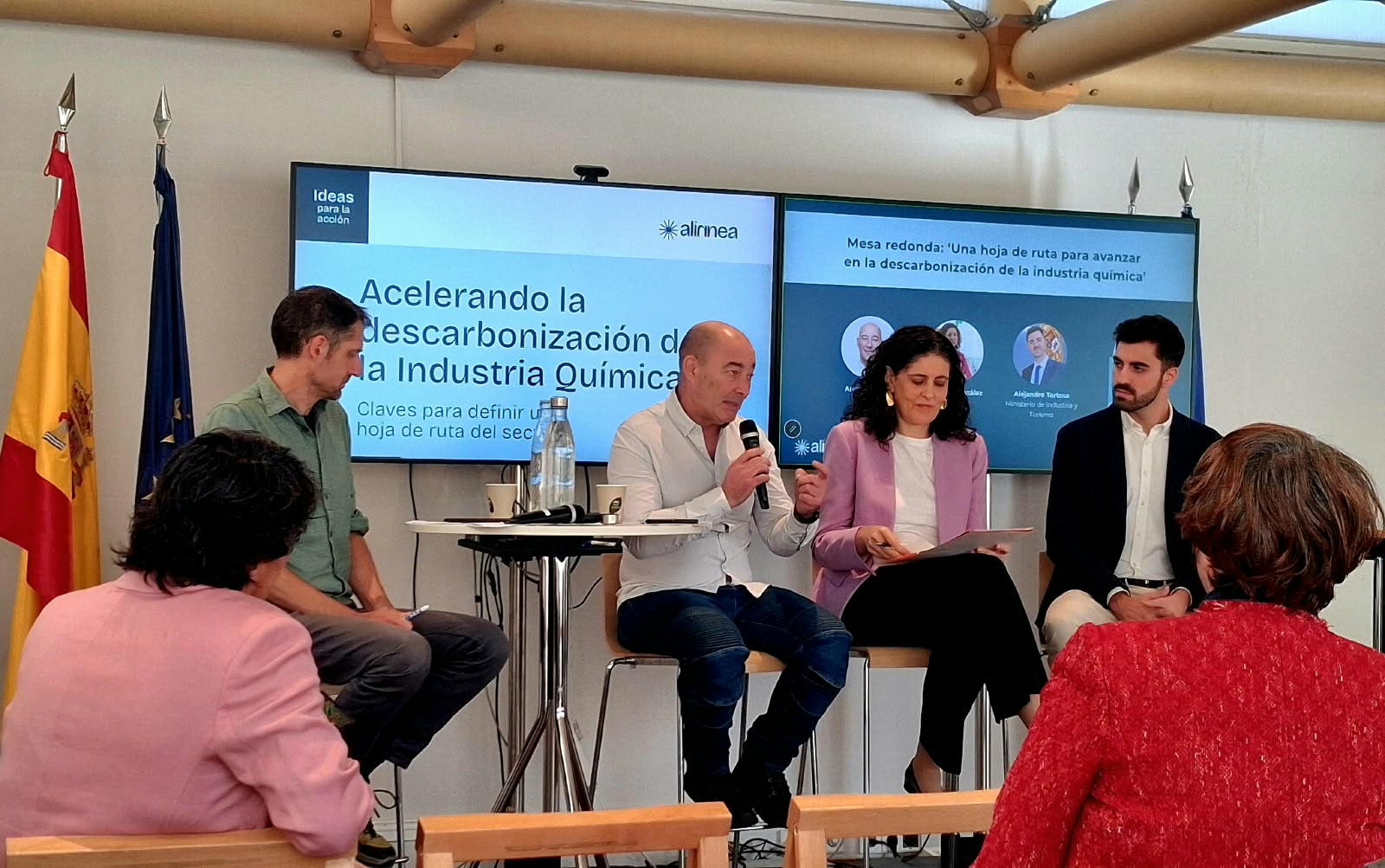
With the aim of “moving from diagnosis to solutions”, Florent Marcellesi, a climate and energy expert working with alinnea, moderated the first panel, bringing together trade union, business and government perspectives. Antonio Clavel (UGT FICA) stressed the need to anticipate emerging occupational profiles and adapt training to transition technologies through collaboration between businesses, trade unions and the education system. Cristina González (FEIQUE) called for competitively priced energy, accessible infrastructure, legal certainty and financing tailored to industrial needs. She also insisted that the expansion of renewables must translate into an effective reduction in businesses’ energy bills. Alejandro Tortosa (Ministry of Industry and Tourism) advocated greater coordination between industrial, trade, fiscal and decarbonisation policies, alongside predictable regulation and traceability and monitoring tools to tackle unfair competition. The discussion highlighted the tension between the urgent need to sustain industrial activity and the investments required for its medium- and long-term transformation.
In the second dialogue, focused on moving from analysis to action, Juan José Luis Delgado (industriAll Europe) called for a just transition that preserves jobs and industrial expertise, promotes reskilling, and links public support to commitments to maintain production and retain workers. Alejandro Dorado (MITECO, Spain’s Ministry for the Ecological Transition and the Demographic Challenge) stressed that the circular economy must encompass prevention, reuse and ecodesign alongside recycling, and highlighted green public procurement as a way to generate demand for circular products and materials. He also advocated regulatory stability to support businesses investing and innovating in the ecological transition.
The event brought together different perspectives and developed concrete proposals for a competitive, circular and low-carbon chemical industry, with people at the heart of the transformation.