Home / alinnea participates in the final delegation of the EU–China Think Tank Engagement on Green Governance
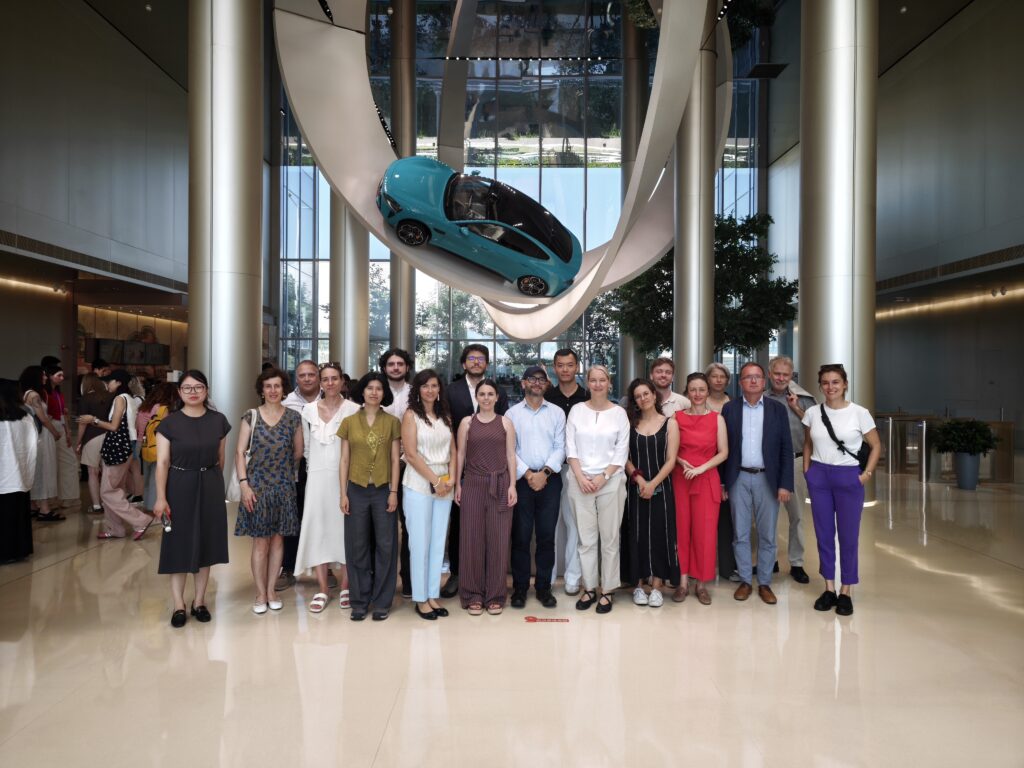
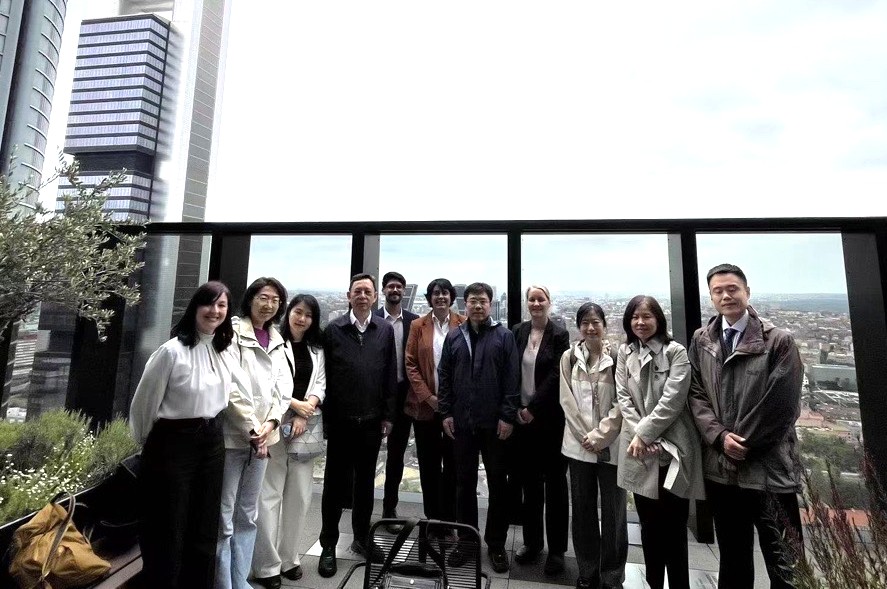
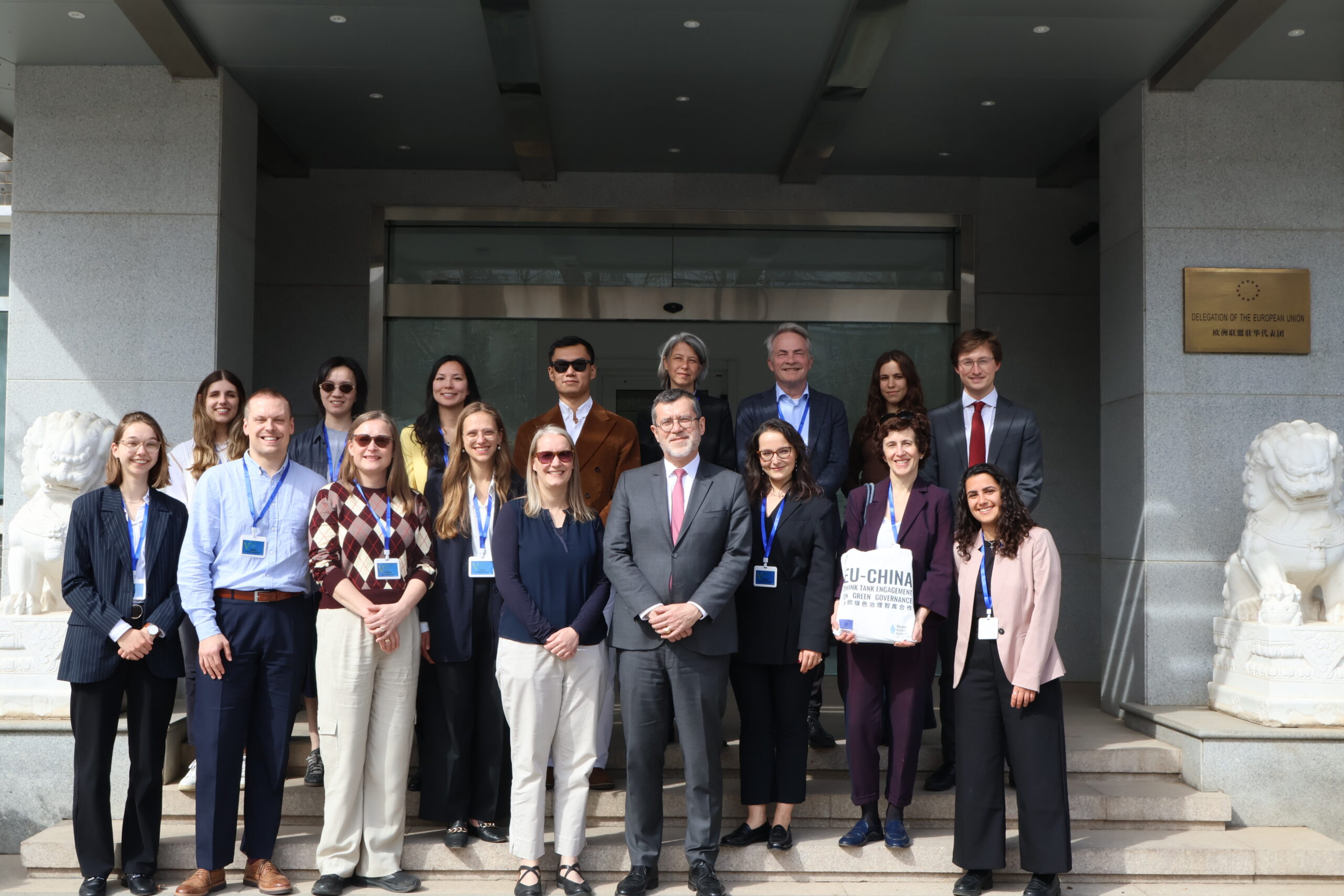
alinnea participated in the 12th and final delegation of the “EU–China Think Tank Engagement on Green Governance” project—a platform for exchange between European and Chinese institutions aimed at strengthening cooperation on green governance, funded by the European Union and carried out with the support of the Hanns Seidel Foundation.
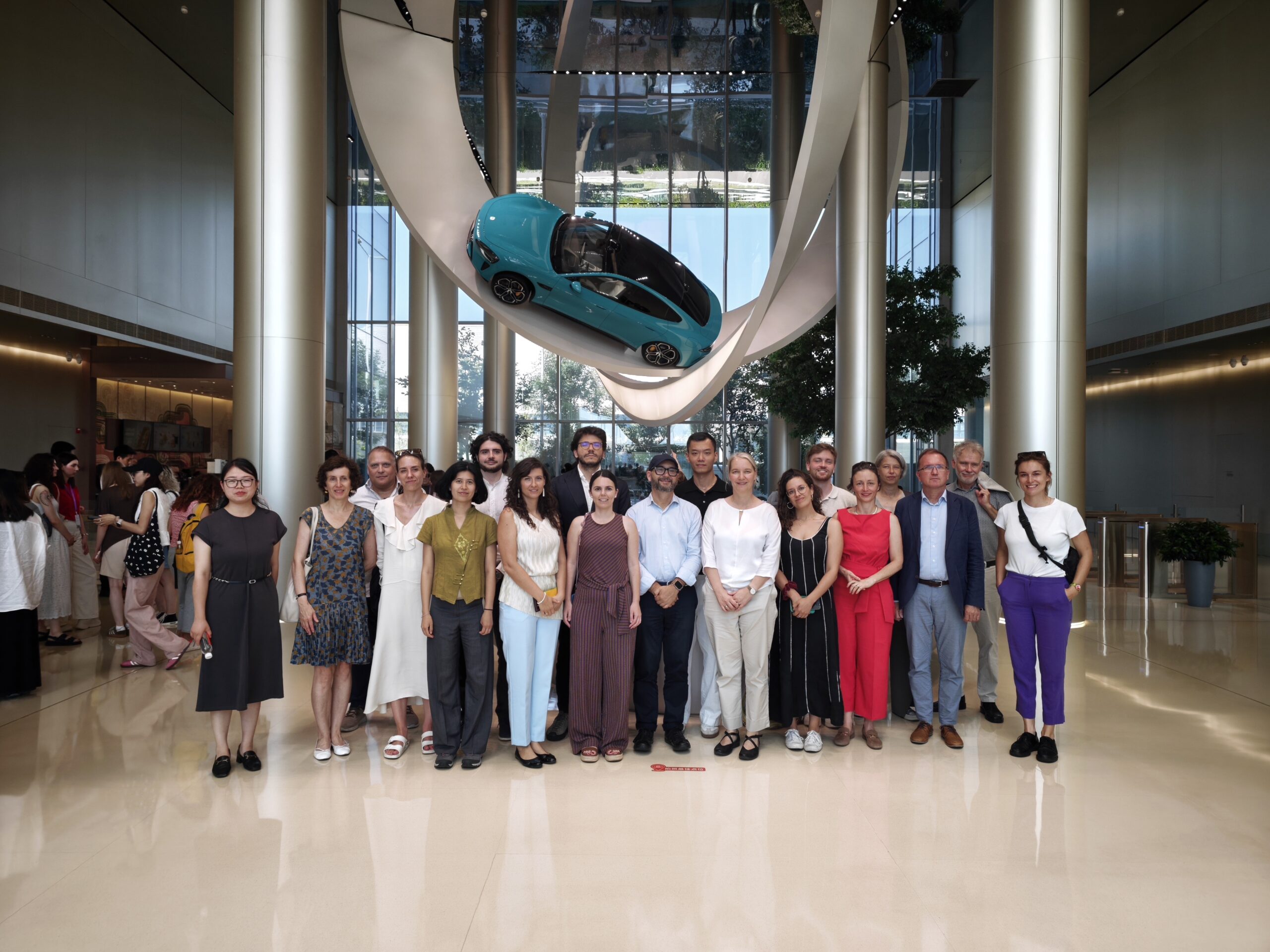
The event, held from July 13 to 18, 2026, in Beijing and Shanxi Province, brought together think tanks, public institutions, universities, international organizations, businesses, and civil society representatives from Europe and China.
Gemma Bedia Bueno, Senior Climate Change Project Manager at alinnea, was part of the European delegation for a program focused on cities and climate change. The sessions provided an opportunity to exchange experiences regarding low-carbon urban development, climate adaptation and resilience, the decarbonization of buildings and transport, green infrastructure, ecological restoration, and a just transition.
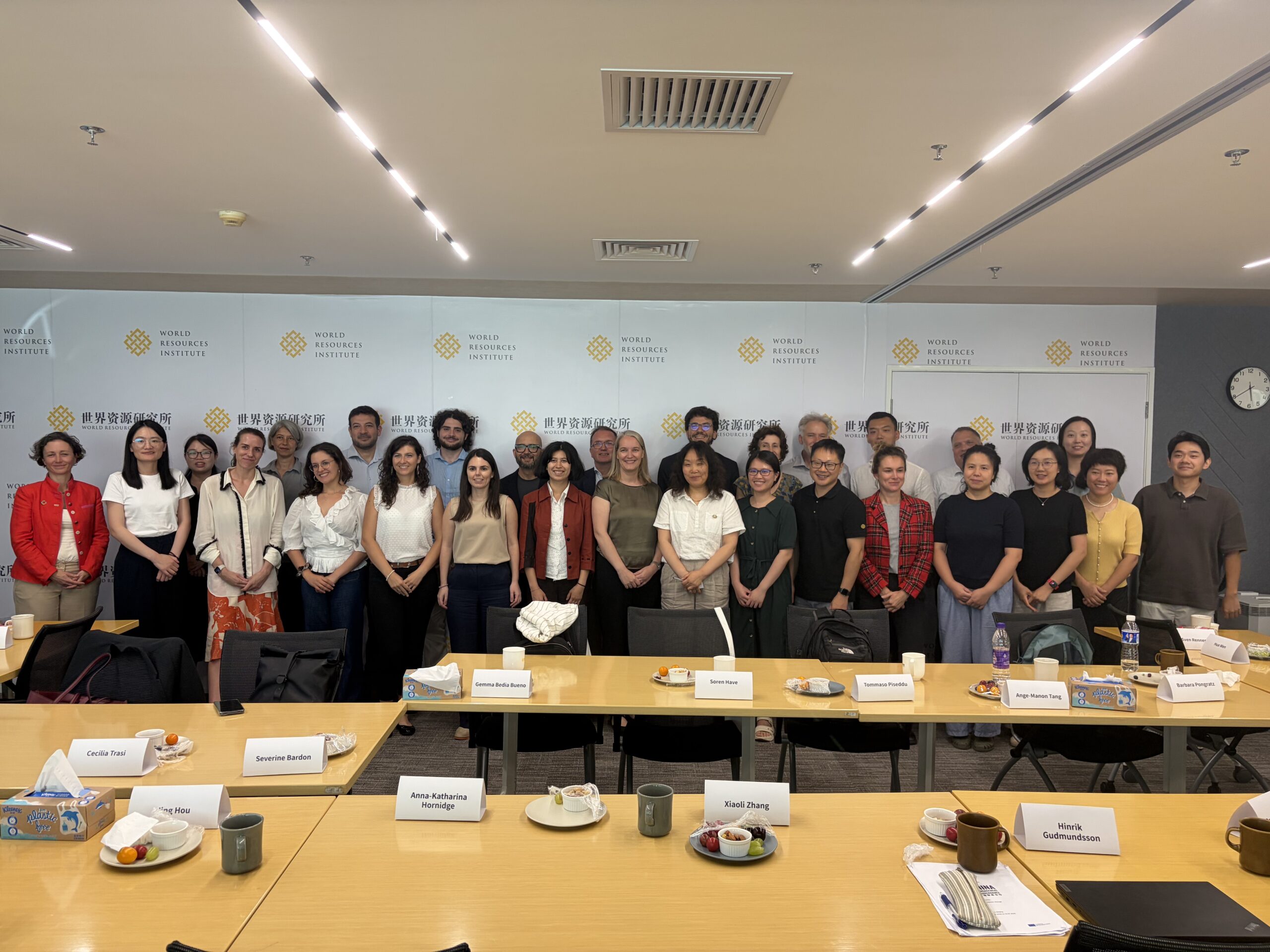
During a session held at WRI China, alinnea presented its work to the participating entities and analyzed the evolution of European climate policy, ranging from the European Green Deal to the Clean Industrial Deal. Gemma Bedia highlighted the need to reconcile decarbonization with industrial competitiveness, energy security, and strategic autonomy, as well as the value of multi-stakeholder dialogue in driving shared solutions.
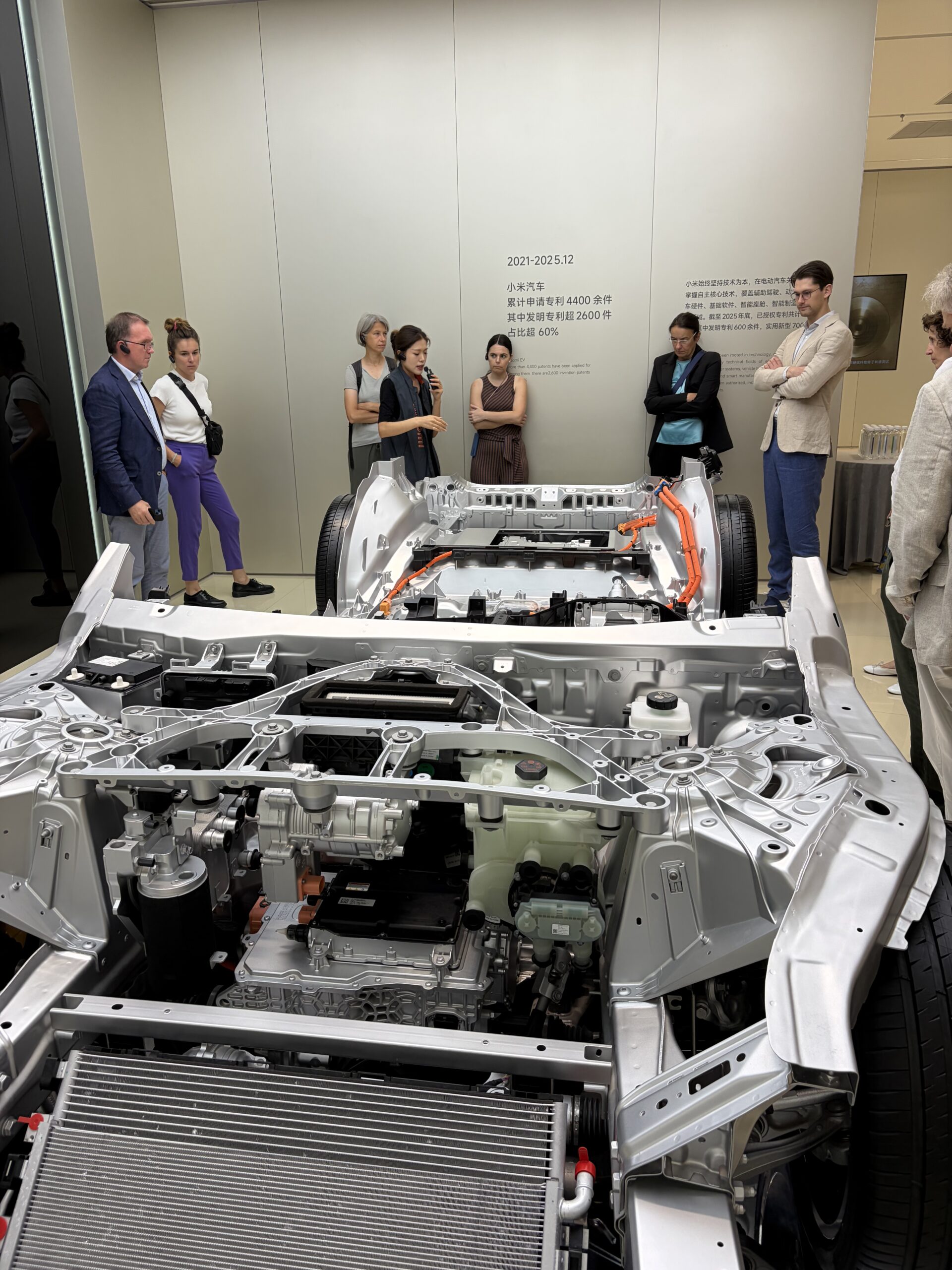
The program combined technical discussions with visits to institutions and projects. The delegation held meetings with Tsinghua University, WRI China, the National Technology Innovation Center for Green and Low-Carbon Building, the International Council on Clean Transportation, and various departments and centers linked to China’s Ministry of Natural Resources.
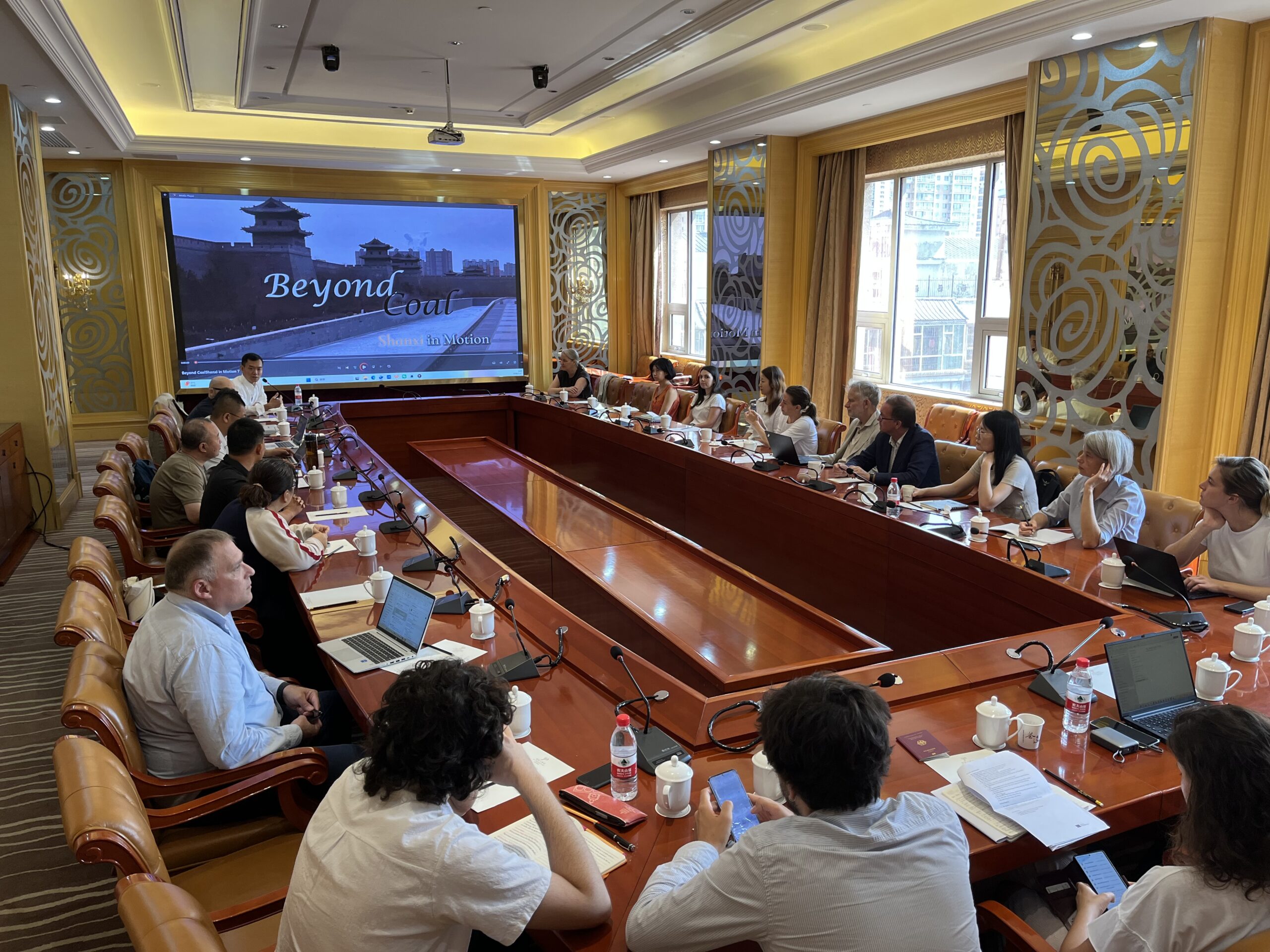
The visits provided insights into experiences regarding zero-emission buildings, transport electrification, and urban and territorial planning. A trip to Shanxi province—a region historically linked to coal mining—also incorporated the social dimension of the transition through exchanges with youth organizations and former workers from the sector.
The delegation program included the closing event “Green Governance in Times of Geopolitical Change: What Comes Next for EU–China Cooperation?”, which focused on presenting the project’s key findings and reflecting on future prospects for cooperation between the two regions.
Over the course of its twelve delegations, this initiative has helped strengthen ties between the knowledge and public policy communities of the European Union and China. In an international landscape marked by rising geopolitical and economic tensions, maintaining such forums for exchange is essential for fostering mutual understanding and identifying areas where climate cooperation remains both possible and necessary.
alinnea’s participation reinforces its commitment to international dialogue and knowledge generation aimed at advancing a climate transition that is competitive, inclusive, and socially just.