Home / alinnea and the IE Competitiveness Hub Brussels Highlight the Role of the Climate Transition in Driving Europe’s Competitiveness and Security
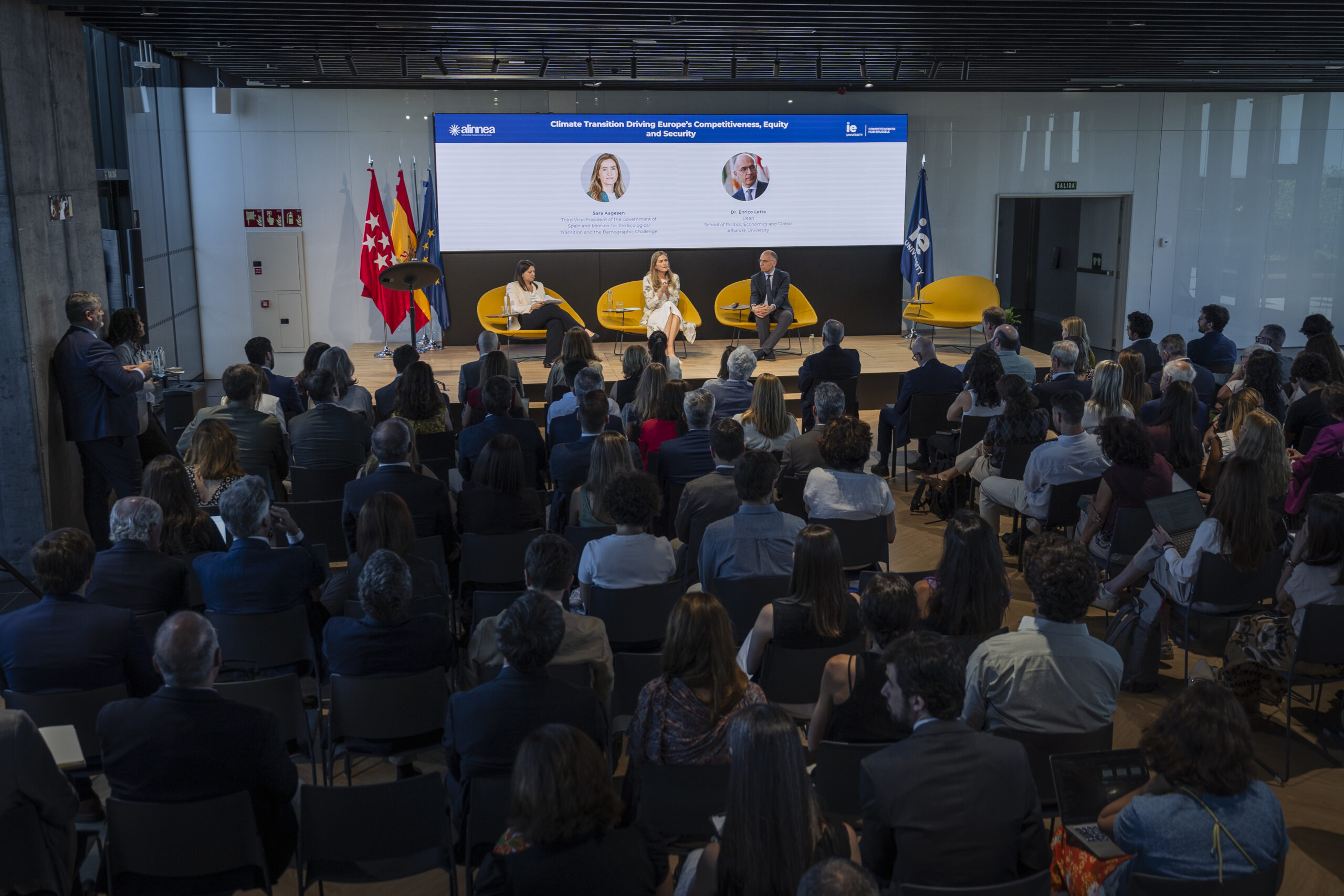
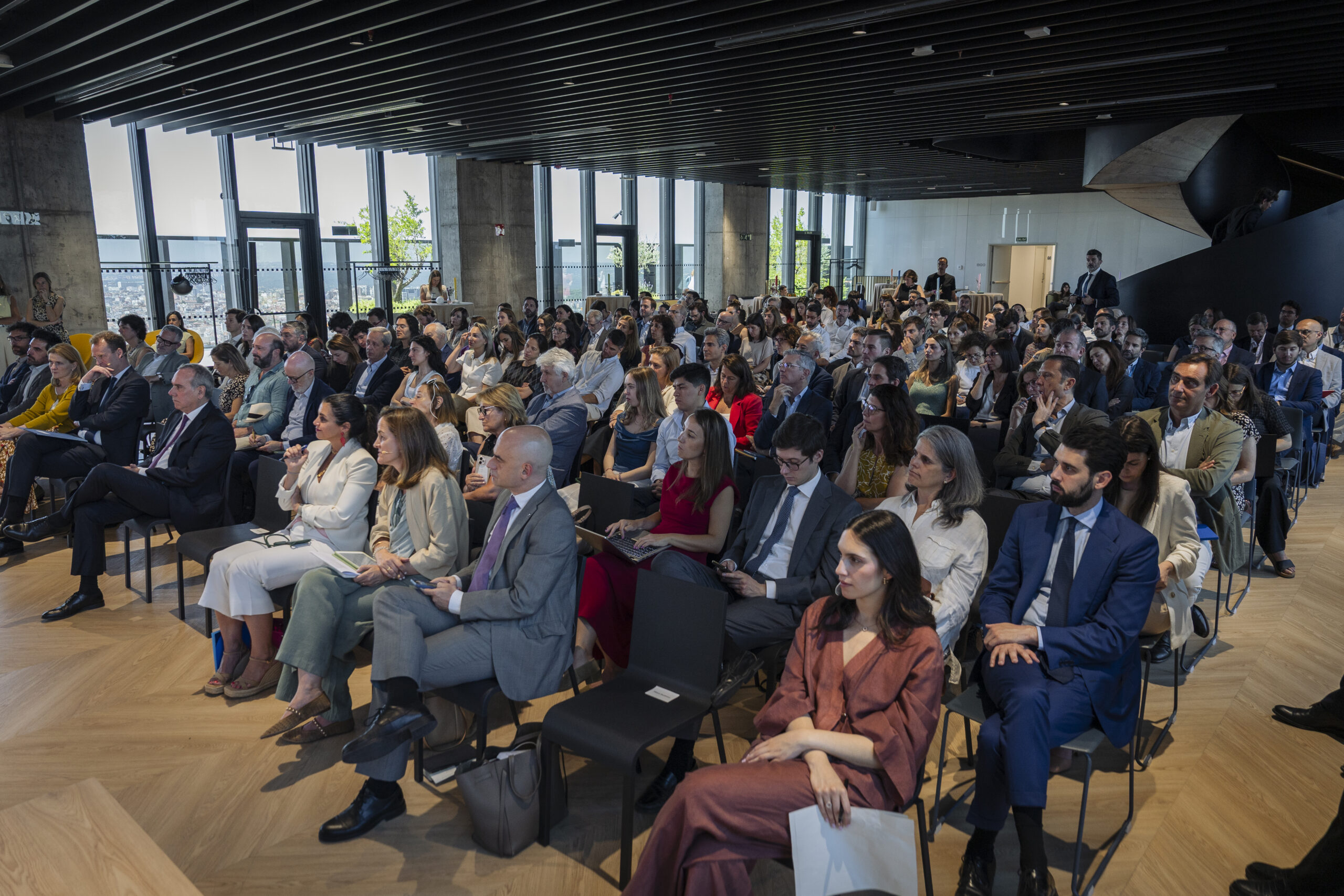
alinnea and the IE Competitiveness Hub Brussels, IE University’s applied research platform based in Brussels, recently highlighted the role of the climate transition as a driver of Europe’s competitiveness and security. International experts shared insights on the climate transition as a catalyst for European competitiveness, security, and prosperity at a time of growing geopolitical, technological, and economic uncertainty.
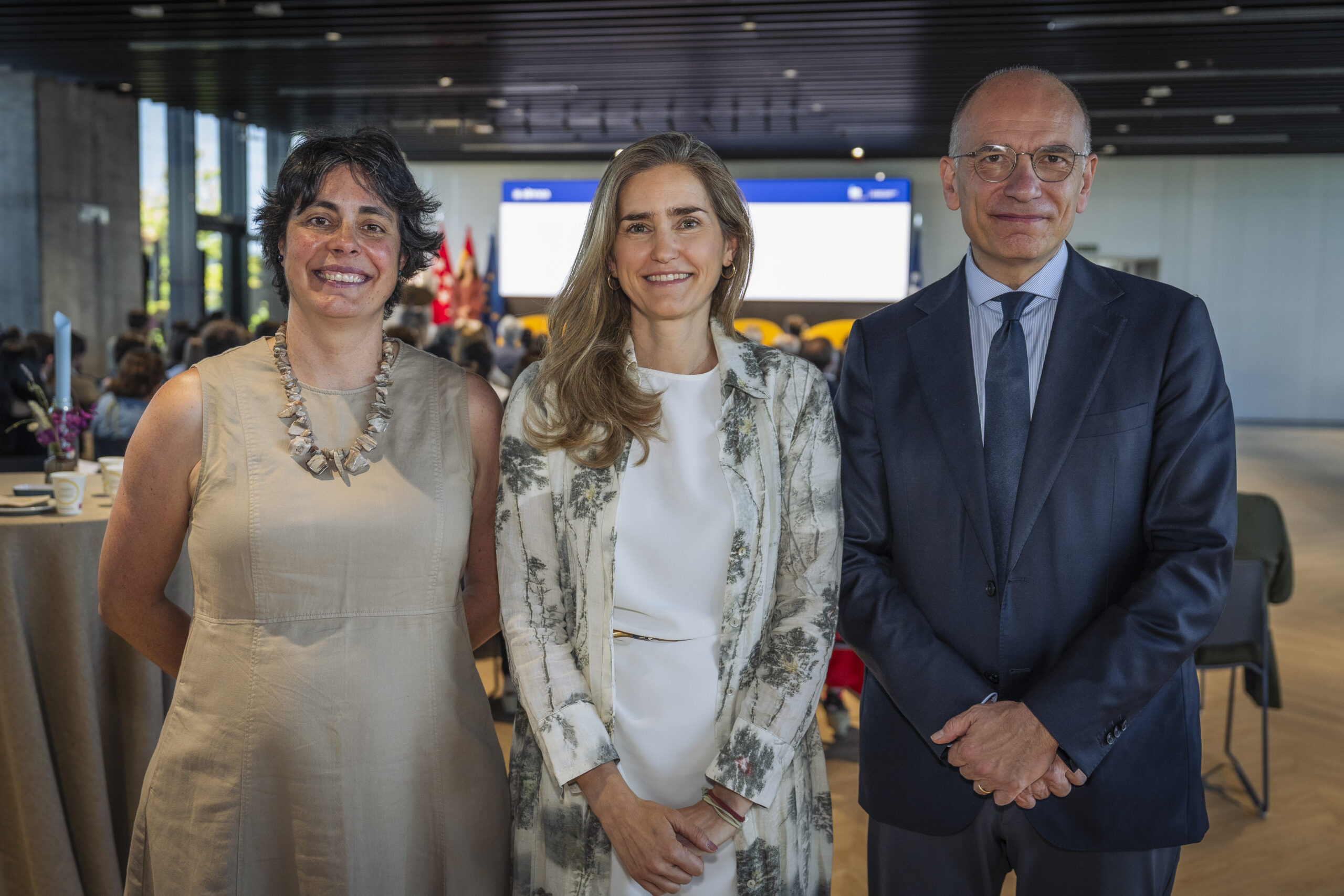
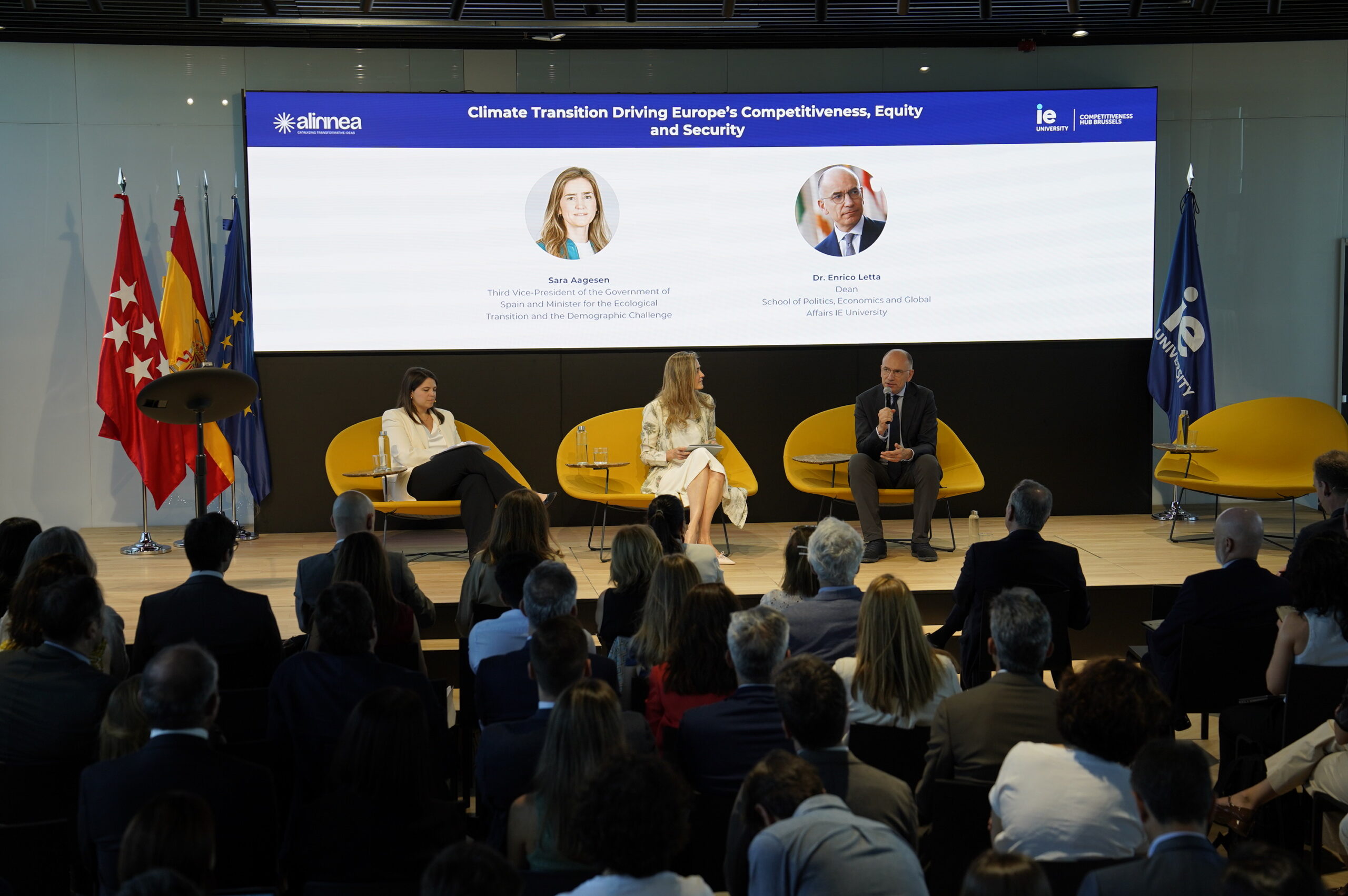
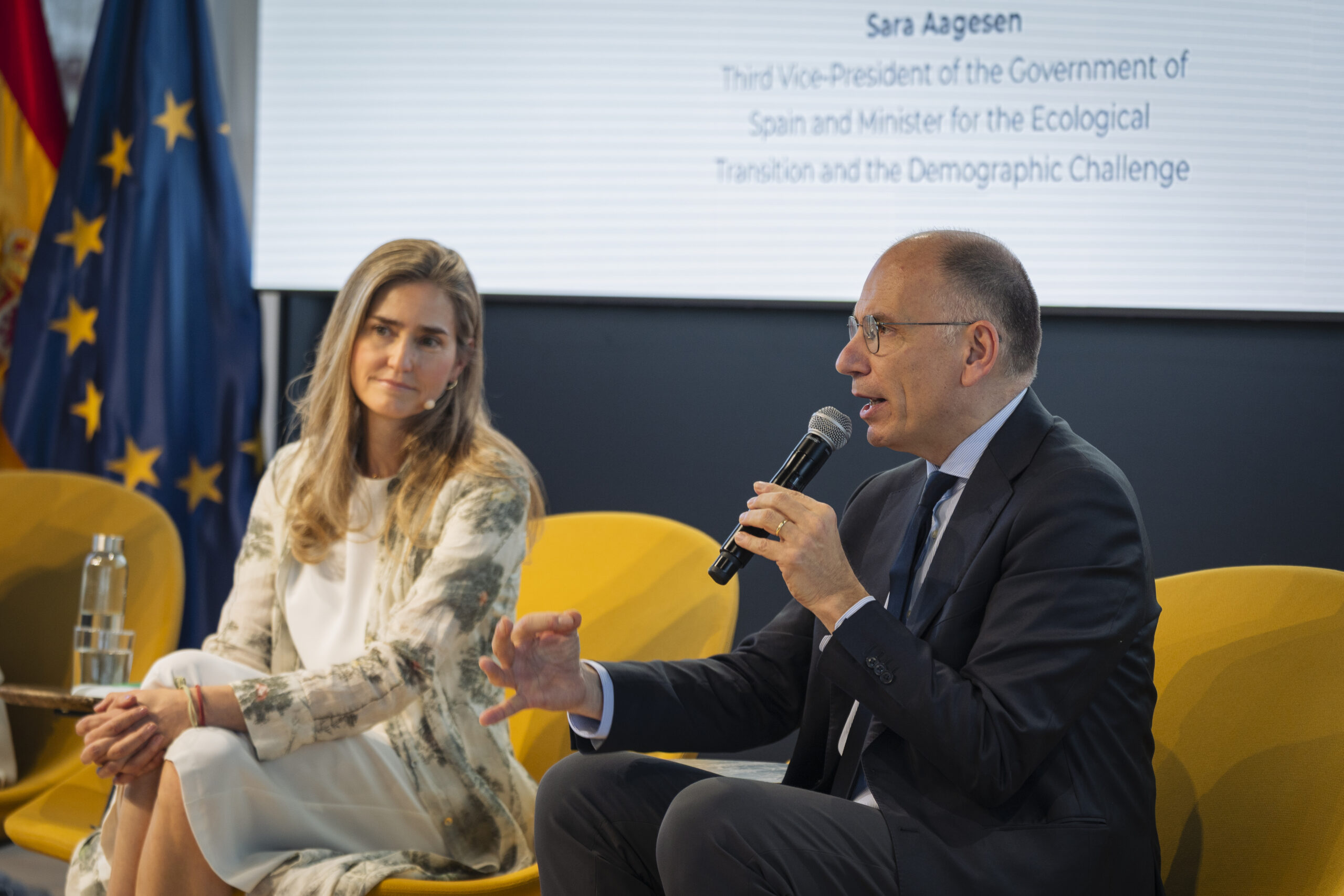
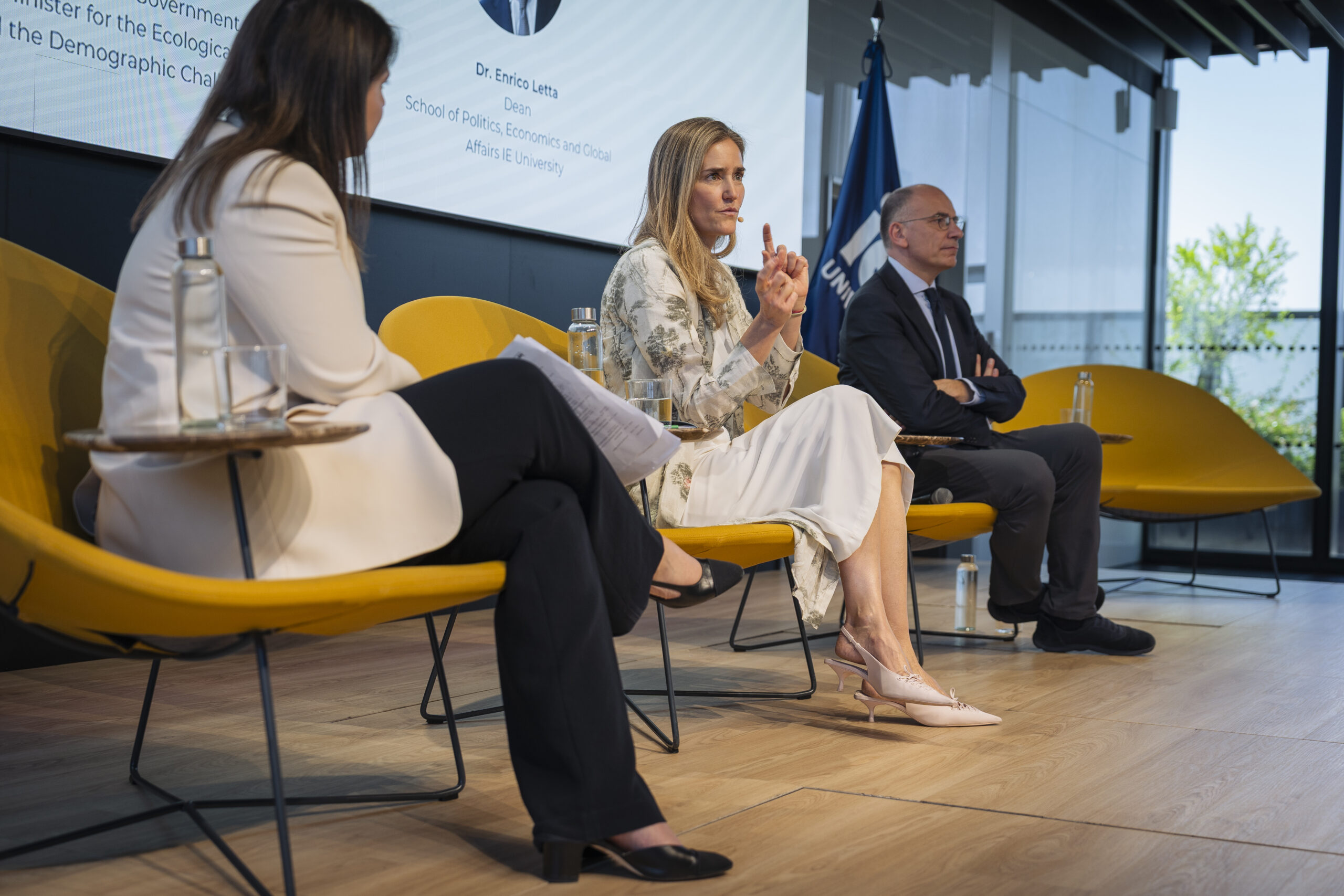
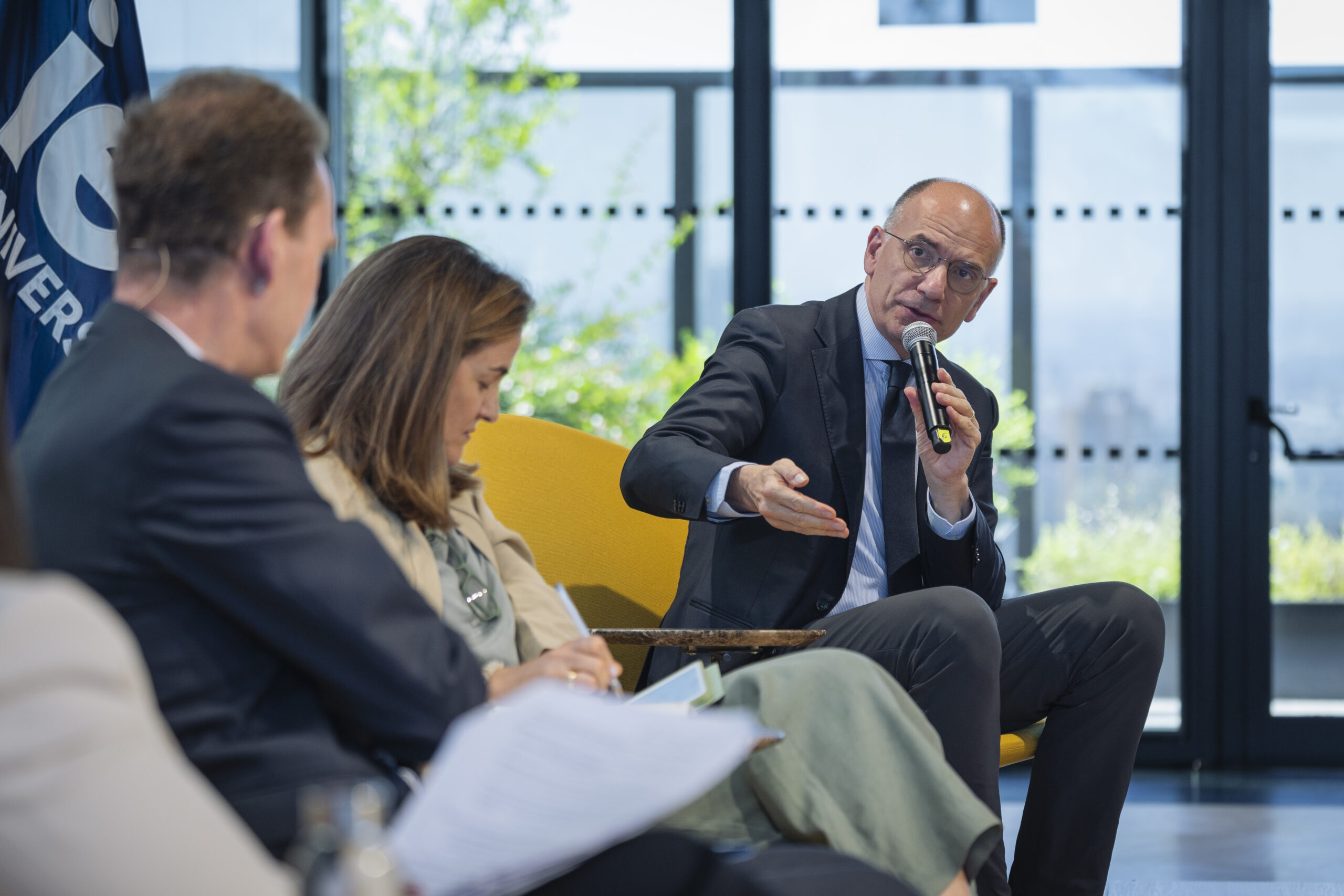
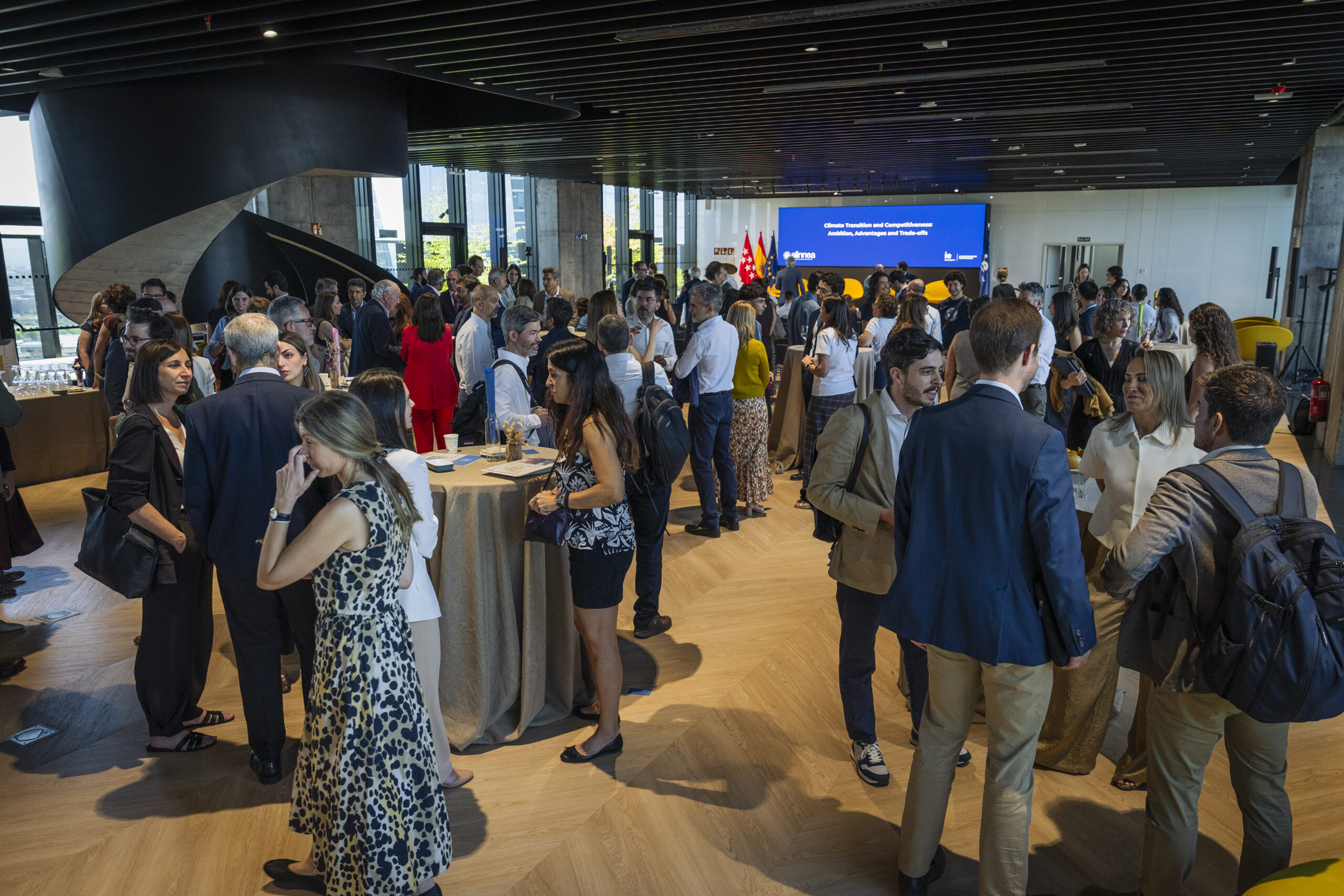
The event, titled “Climate Transition and Competitiveness: Ambition, Advantages and Trade-offs,” brought together leading representatives from both the public and private sectors. Participants included Sara Aagesen, Third Deputy Prime Minister of Spain and Minister for the Ecological Transition and the Demographic Challenge; Enrico Letta, Dean of IE School of Politics, Economics and Global Affairs at IE University; and Ana Belén Sánchez, Director of alinnea.
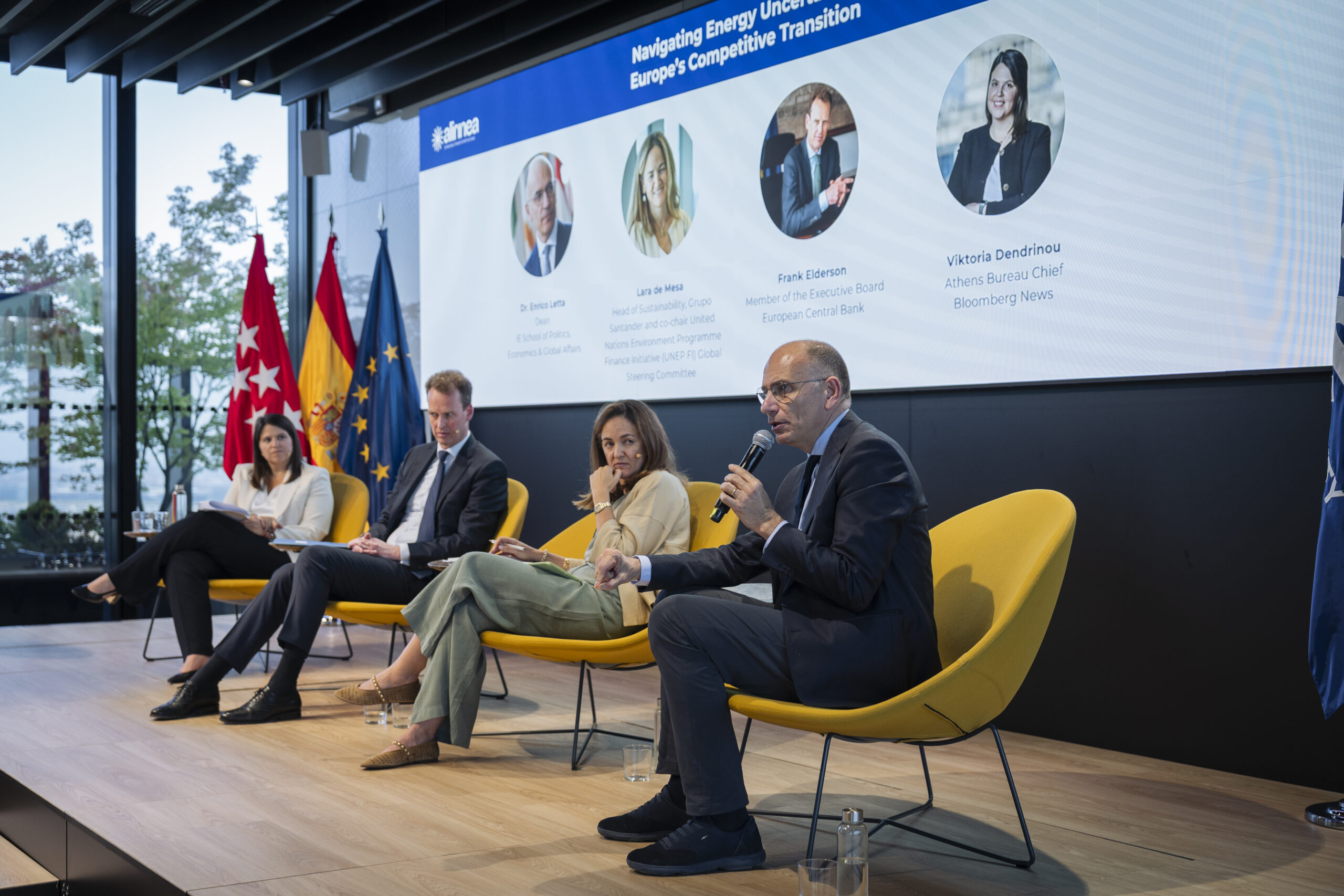
During their interventions, moderated by Viktoria Dendrinou, Athens Bureau Chief, Bloomberg News, speakers emphasized that climate ambition, industrial competitiveness, and economic security must increasingly be addressed as part of a single agenda. They also highlighted the importance of strengthening Europe’s industrial base, accelerating the energy transition, ensuring access to critical technologies and raw materials, and building a more integrated European market capable of attracting investment and fostering innovation.
“We do not have to choose between competitiveness and the green transition. We must continue moving forward with determination, aligning our actions with our strategic vision in the short, medium, and long term. This will strengthen our security, resilience, and autonomy across the socio-economic, industrial, and energy spheres while reducing our vulnerabilities,” said Minister Sara Aagesen. “Europe must act wisely. It cannot afford to replace one dependency with another, whether in energy, raw materials, or clean technologies,” she added.
“In recent months, another concept has become closely linked to sustainability: security. The lack of energy independence represents one of the most critical threats to our future. If the climate transition is to succeed politically and economically, it must be supported by the strategic dimension of security,” said Dean Enrico Letta.
“The competitiveness of the future will depend on our ability to integrate climate ambition into the decisions we make today. That is why at alinnea we create spaces for dialogue and collaboration that transform knowledge into action and the challenges of the transition into opportunities for innovation, resilience, and long-term value creation,” said Ana Belén Sánchez, Director of alinnea.
In a context of growing uncertainty, marked by geopolitical tensions, energy crises, supply chain vulnerabilities, and increasing social and security pressures, speakers agreed that the key question is not whether Europe should maintain its climate ambition, but how to do so without weakening its competitiveness. They also stressed that dependence on volatile fossil fuel markets undermines economic stability and industrial resilience, and that the transition must advance in a way that preserves competitiveness, drives investment, and strengthens Europe’s strategic autonomy over the long term.
The event also featured opening remarks by Gonzalo Garland, Executive Vice President, IE Foundation and Borja Santos, Associate Dean, IE School of Politics, Economics and Global Affairs, IE University and contributions from Frank Elderson, Member of the Executive Board of the European Central Bank, and Lara de Mesa, Global Head of Sustainability at Santander Group and Co-Chair of the Global Steering Committee of the United Nations Environment Programme Finance Initiative (UNEP FI).
Lara de Mesa offered a financial sector perspective on the opportunities and challenges of financing the transition. She began by highlighting the progress already achieved, noting that global investment trends are moving in the right direction. Clean energy investments have reached record levels and now significantly exceed those directed towards fossil fuels, while the rapid growth of electric vehicle adoption demonstrates that market forces, alongside regulation, are accelerating the transition.
Against this backdrop, de Mesa stressed that sustainable finance is also gaining momentum. She pointed out that 2025 marked a record year for sustainable business volumes, reflecting growing investor confidence and increasing capital flows towards transition-related activities. These developments, she argued, show that significant progress is being made and that the financial sector is playing an increasingly important role in supporting the shift towards a low-carbon economy.
At the same time, de Mesa emphasized the importance of collaboration across sectors. Echoing a recurring theme throughout the event, she underlined that achieving a successful transition requires governments, businesses, financial institutions, academia and civil society to work together more closely. While this need for collective action is now widely recognised, she noted that greater coordination and engagement among stakeholders will be essential to accelerate progress and unlock the scale of investment required in the years ahead.
The event concluded with closing remarks from Isabela del Alcázar, Chief Purpose & Sustainability Officer at IE University, who thanked the speakers for the depth and quality of the discussion and emphasized that: “We finally have a strong and compelling narrative. This is not only about the climate transition; it is about Europe’s future competitiveness, energy security, risk mitigation, greater investment certainty, lower volatility, and a more resilient economy.”
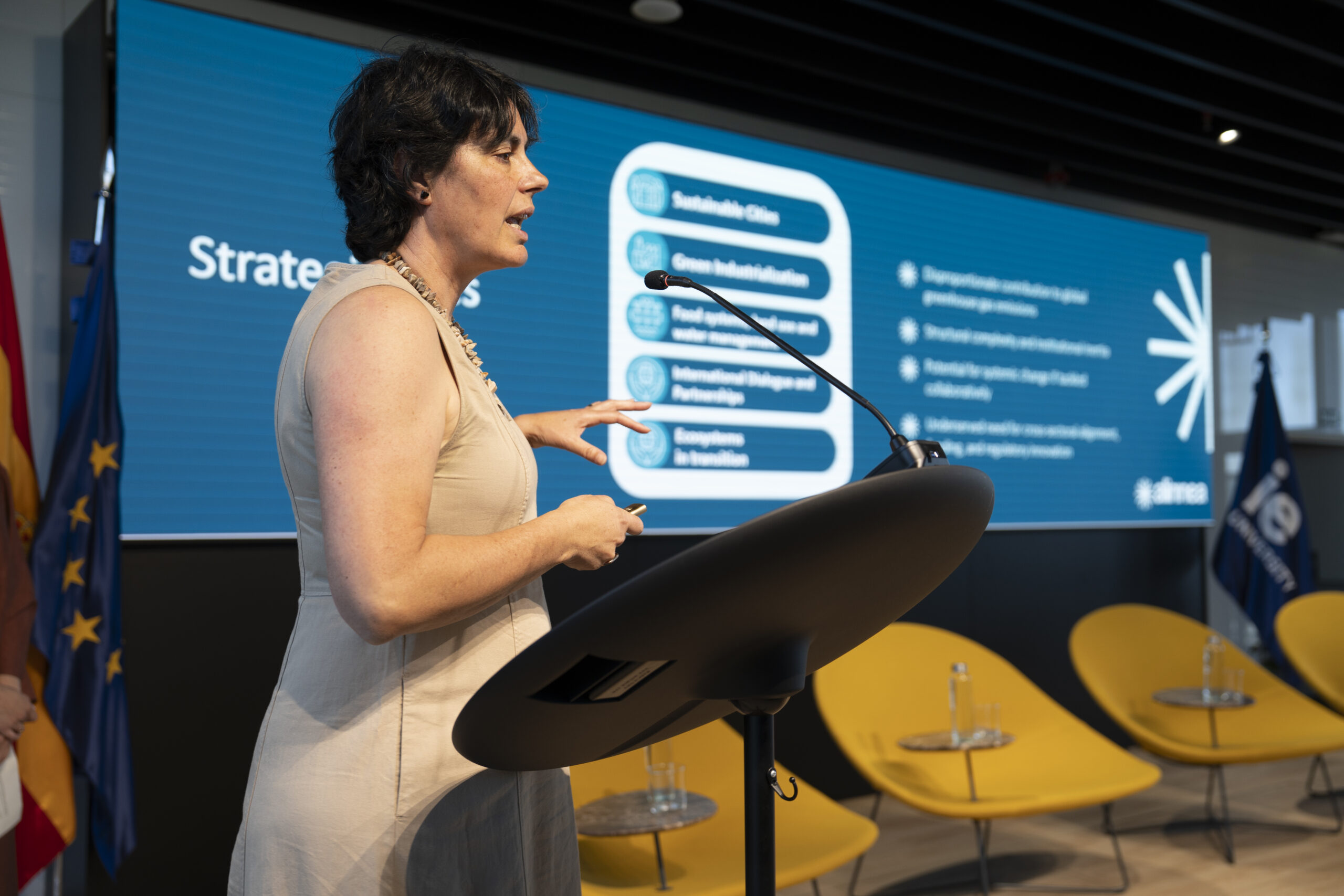
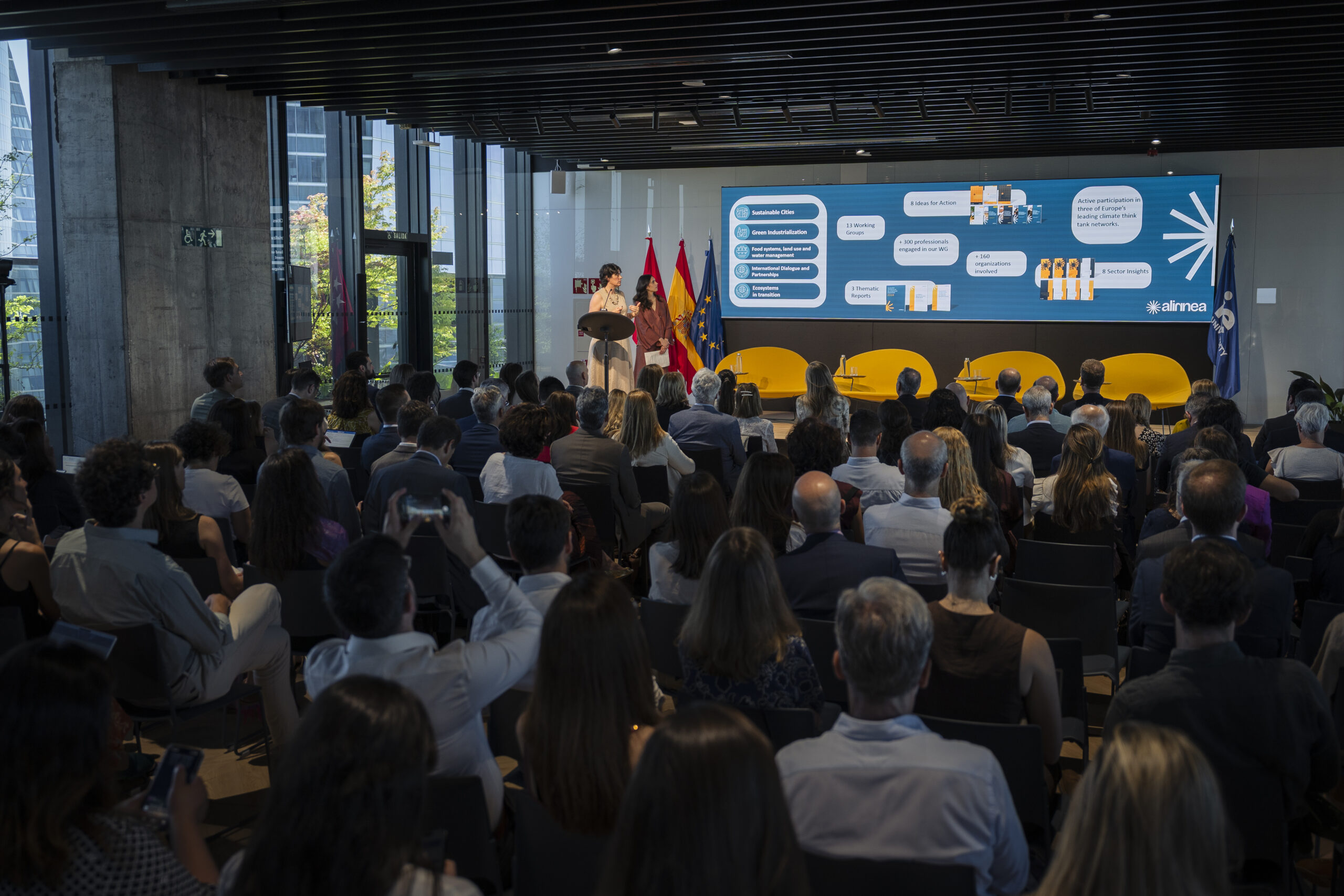
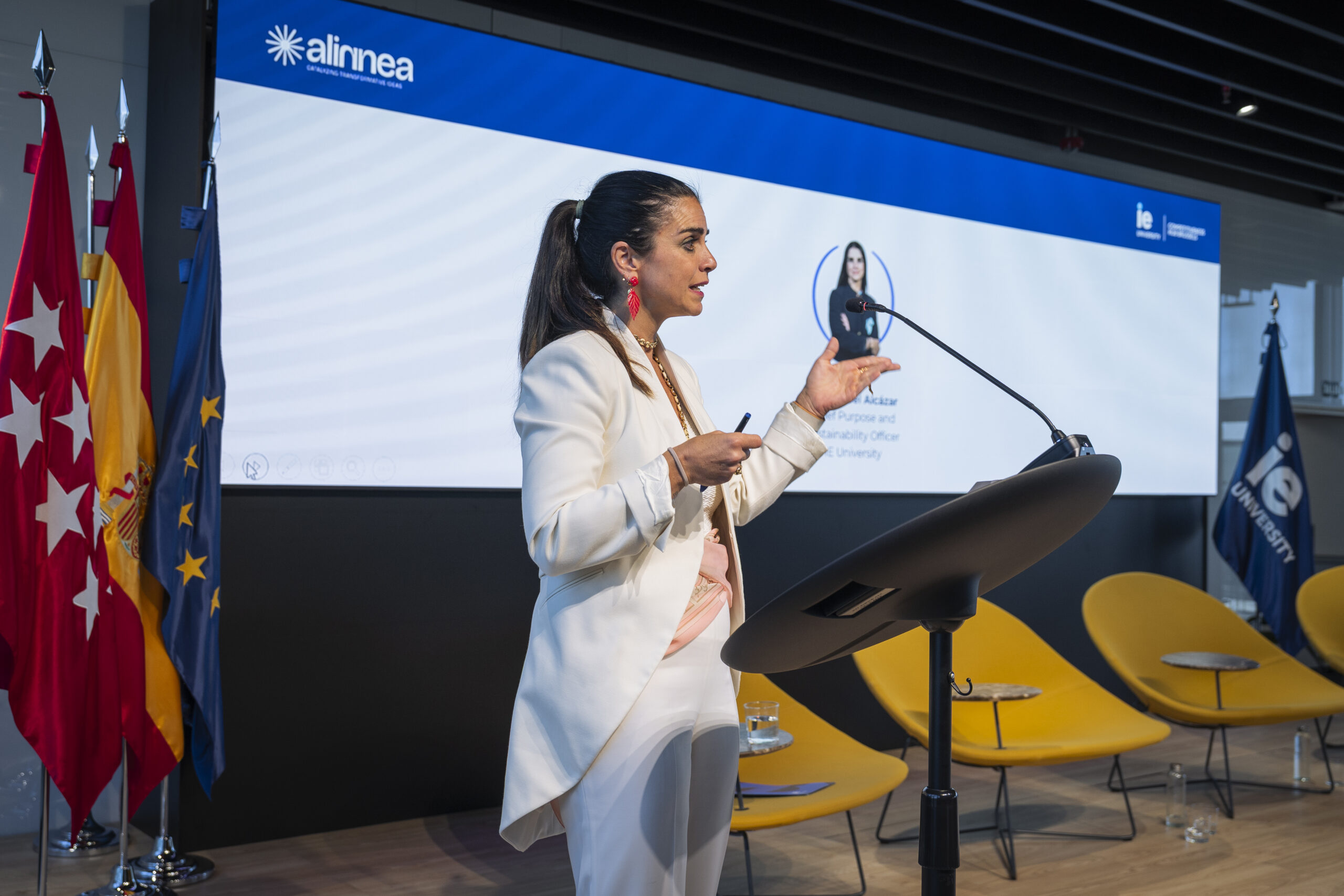
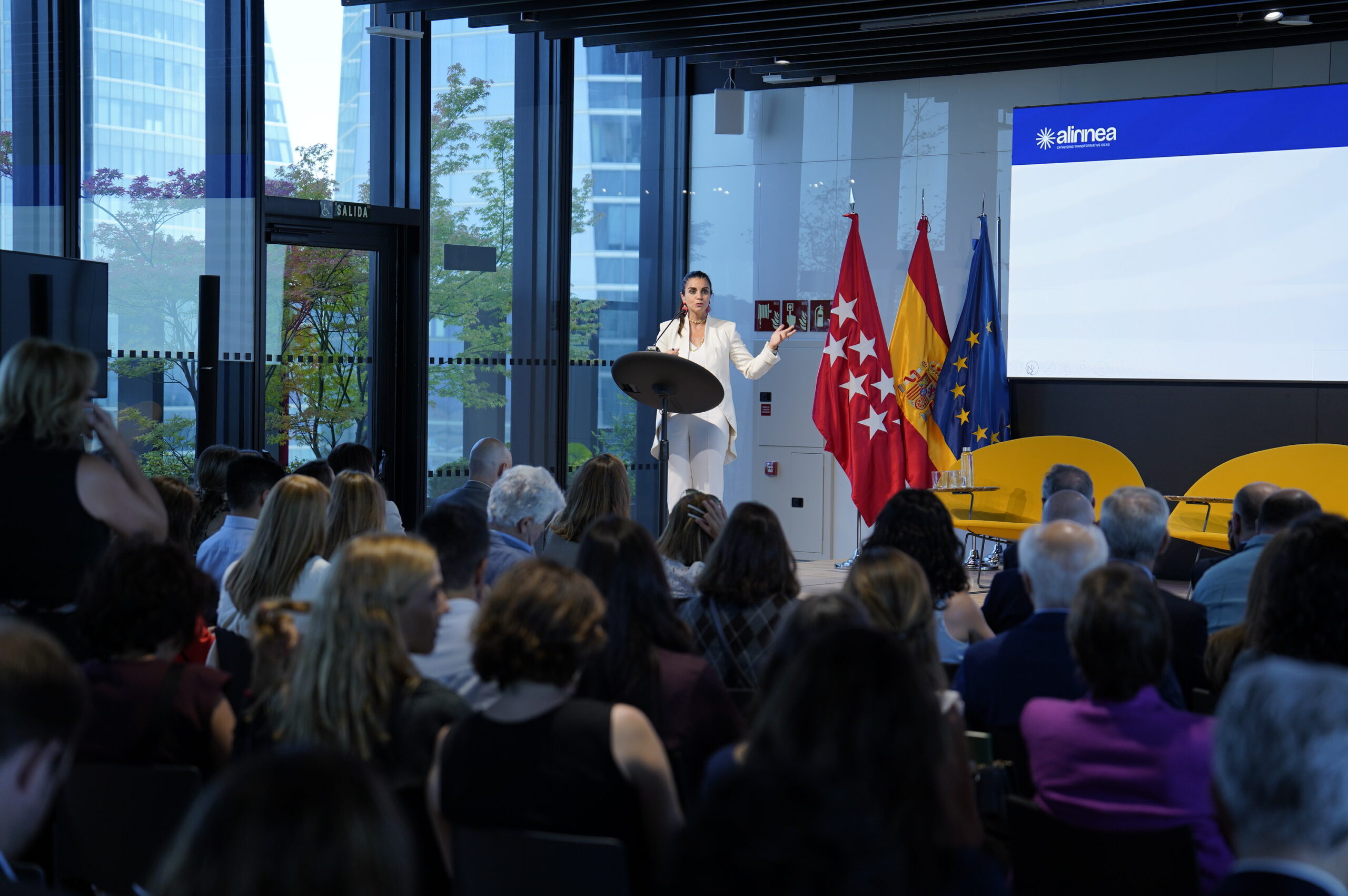
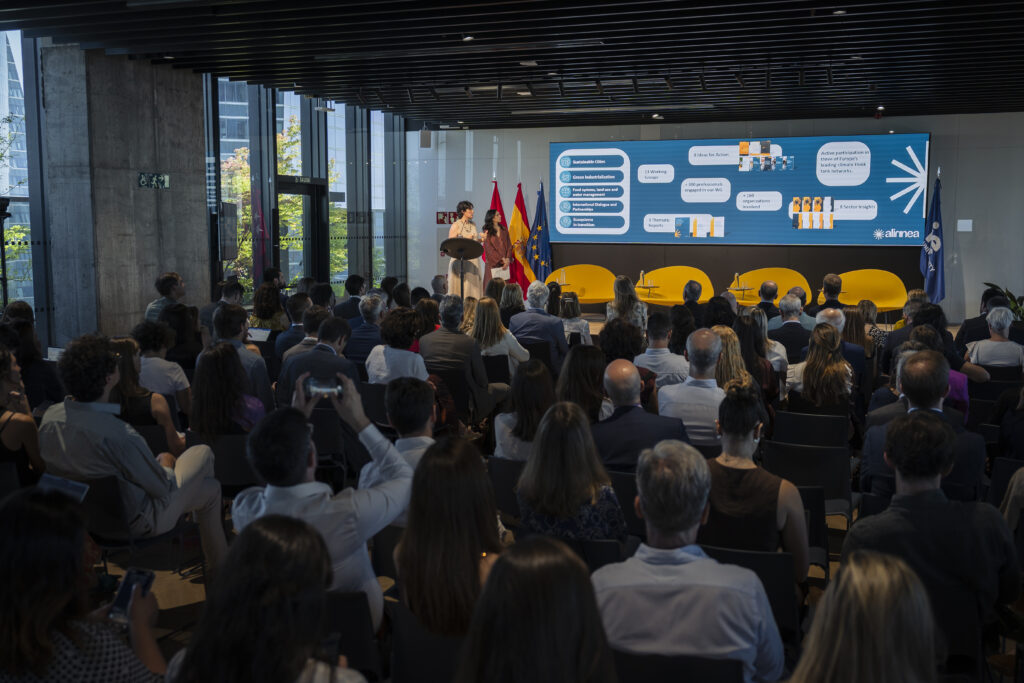
During the event, Ana Belén Sánchez, Director of alinnea, delivered a brief presentation introducing the Think Tank. She outlined its strategic axes, explained alinnea’s working methodology, and highlighted some of the organisation’s most significant achievements to date. She also presented the active working groups for 2026, showcasing the breadth of ongoing collaboration and expertise within the network.
The presentation concluded with the screening of a short video about alinnea.