Home / Spain and the Electric Vehicle Challenge: Proposals to Strengthen Industrial Leadership and European Strategic Sovereignty
The transition to electric vehicles represents one of the most significant challenges—and opportunities—for Spanish industry from a climate perspective. As the automotive sector moves toward decarbonization, it must do so while preserving its competitiveness and reducing its environmental footprint.
These issues were discussed today by public officials, industry representatives, trade unions, civil society, and European experts convened by alinnea at IE University’s Paper Pavillion in Madrid. The event focused on assessing the current state of the sector in the context of the Spain Auto Plan 2030 and on presenting the main conclusions of alinnea’s Electric Mobility Working Group, developed throughout 2025 and published in the report “Accelerating the Electrification of the Automotive Sector.”
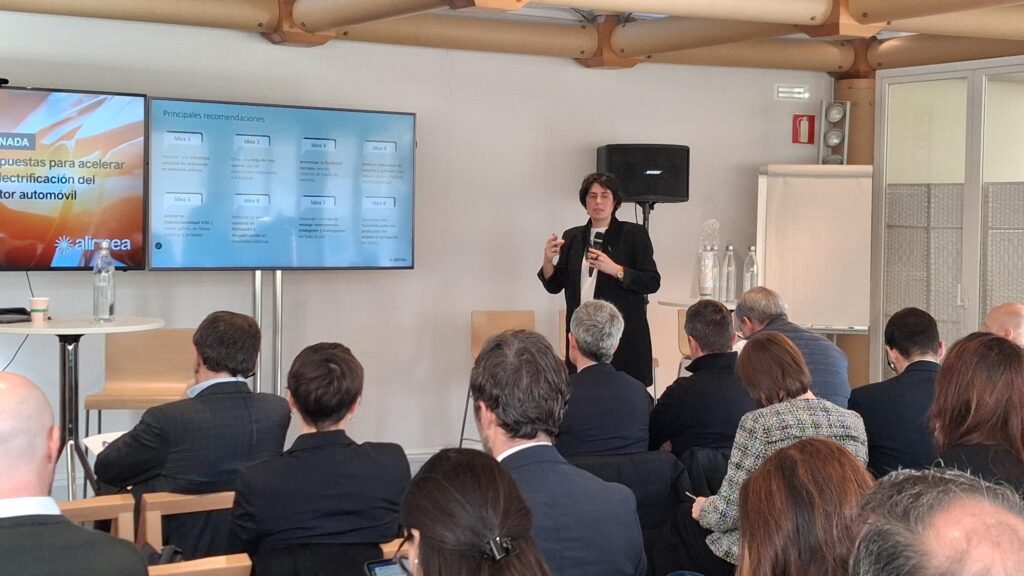
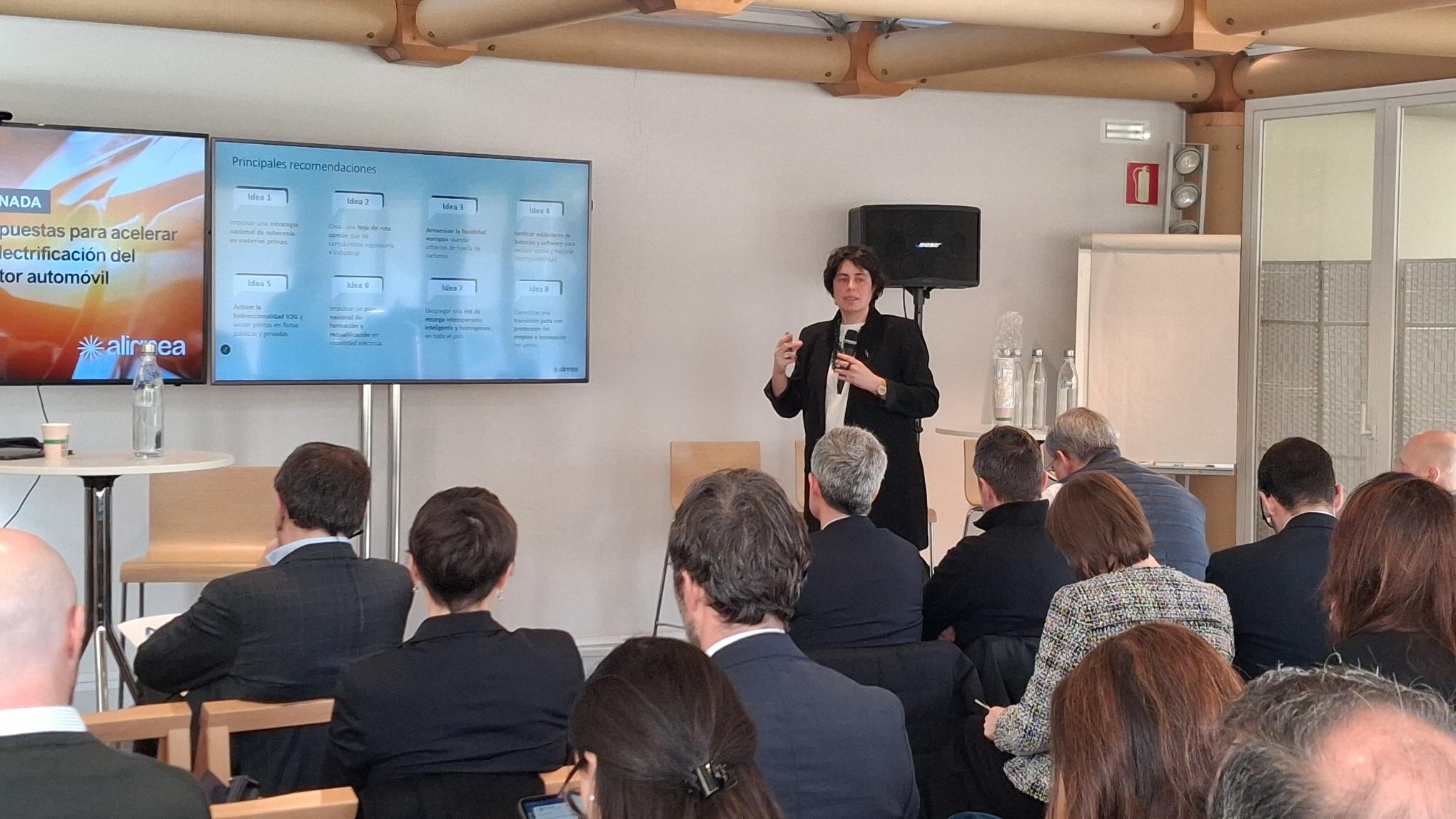
The event opened with remarks by Ana Belén Sánchez, Director of alinnea, who underscored the strategic importance of the automotive sector for the Spanish economy. Drawing on the report’s findings, she outlined the main bottlenecks slowing electrification in Spain, including the slow uptake of electric vehicles, fragmented incentive schemes, gaps in charging infrastructure, and reliance on critical raw materials. The report also puts forward a set of proposals to address these challenges, emphasizing the need for a coherent industrial strategy that links competitiveness, decarbonization, and strategic autonomy, and that accelerates a just transition aligned with climate goals.
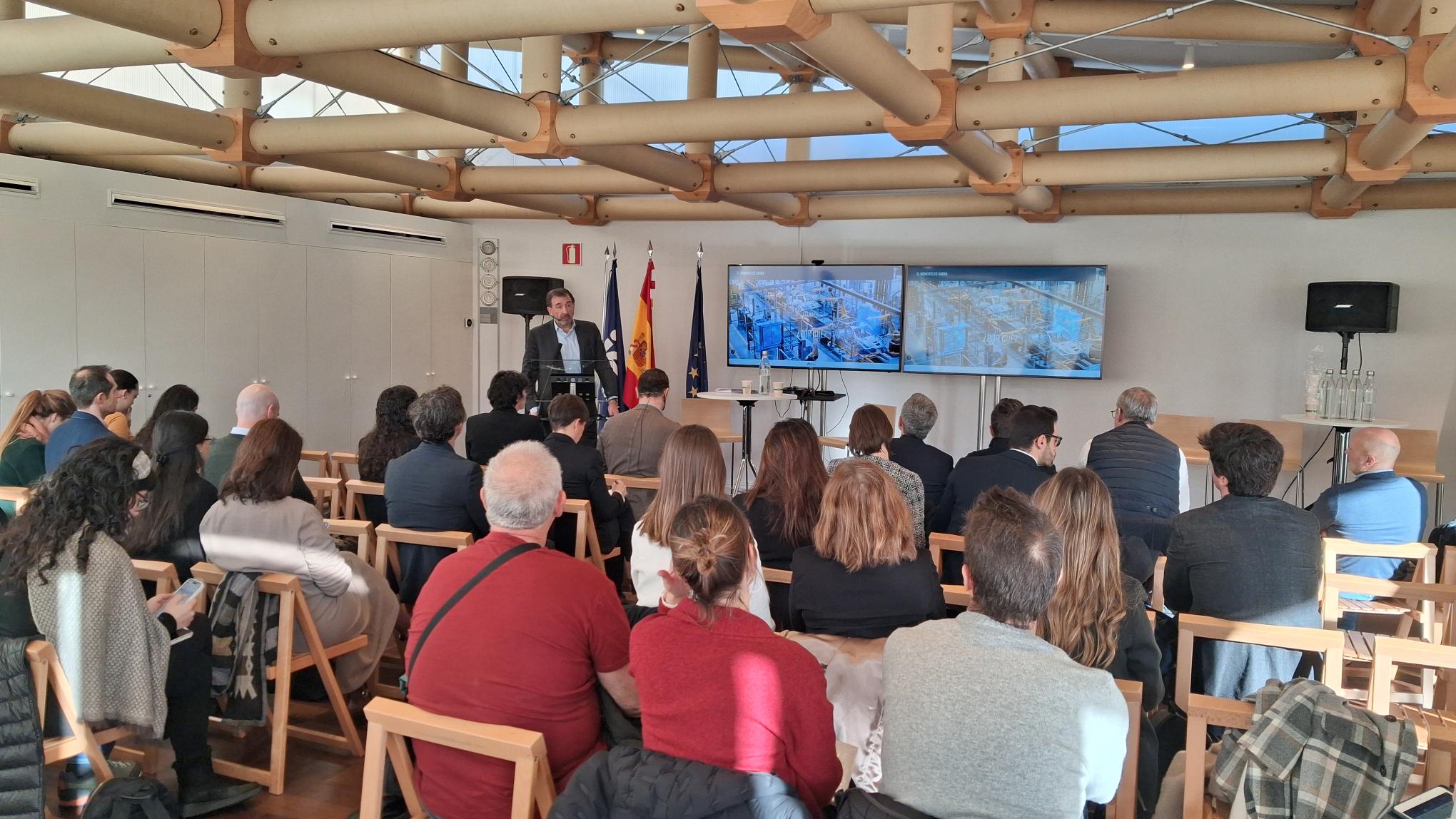
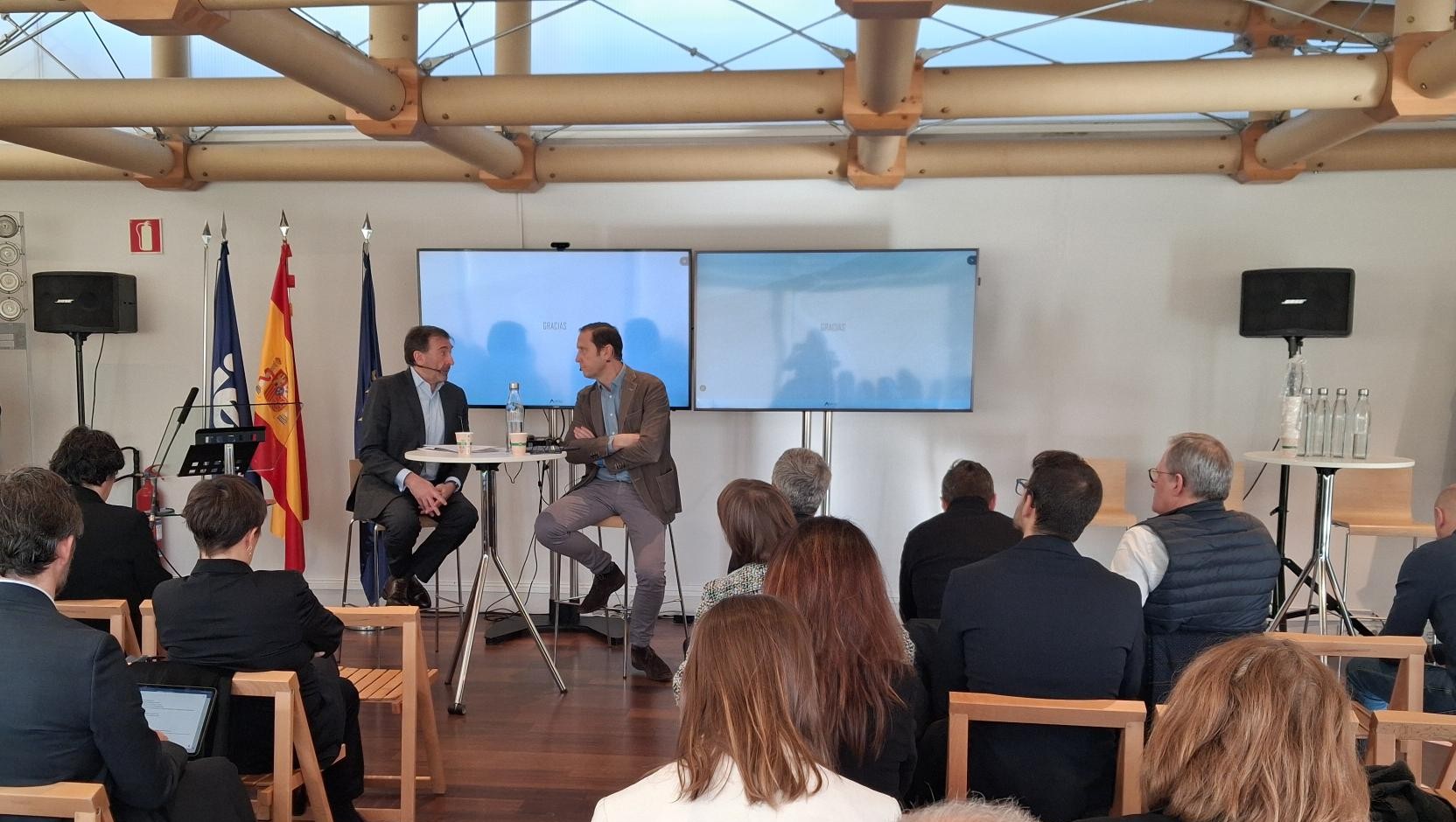
José López-Tafall, Director General of ANFAC, then presented the Spain Auto Plan 2030 as the central framework for transforming the sector. He underlined that “regulatory pressure and environmental commitments have set the course toward zero emissions. The Spain Auto Plan 2030—developed through collaboration between ANFAC, the Ministry of Industry, and the broader mobility ecosystem—must be activated immediately, with concrete, realistic, and effective measures that align decarbonization with job protection, industrial strengthening, and the preservation of Spain’s competitiveness. The future of both the sector and the country is at stake, and now is the time to move from planning to action.”
In his remarks, López-Tafall warned of the sector’s structural challenges, including high regulatory pressure, shortages of critical raw materials, and an increasingly complex international context. Without adequate industrial policies, he cautioned, the transition could pose serious risks to competitiveness and employment.
Following this presentation, Jaime Gil-Robles, alinnea collaborator, opened a dialogue to examine the regulatory framework in greater depth, shifting the focus toward implementation and market uptake of the plan. Participants emphasized the need to send clear and credible signals to industry, ensure continuity for instruments such as the PERTE, strengthen innovation policy and fiscal incentives, and provide robust support to the industrial and
logistics value chain amid uncertainty around European funding. These discussions echoed alinnea’s report, which highlights the importance of aligning incentives with industrial capabilities to close the gap between electrification targets and real-world deployment.
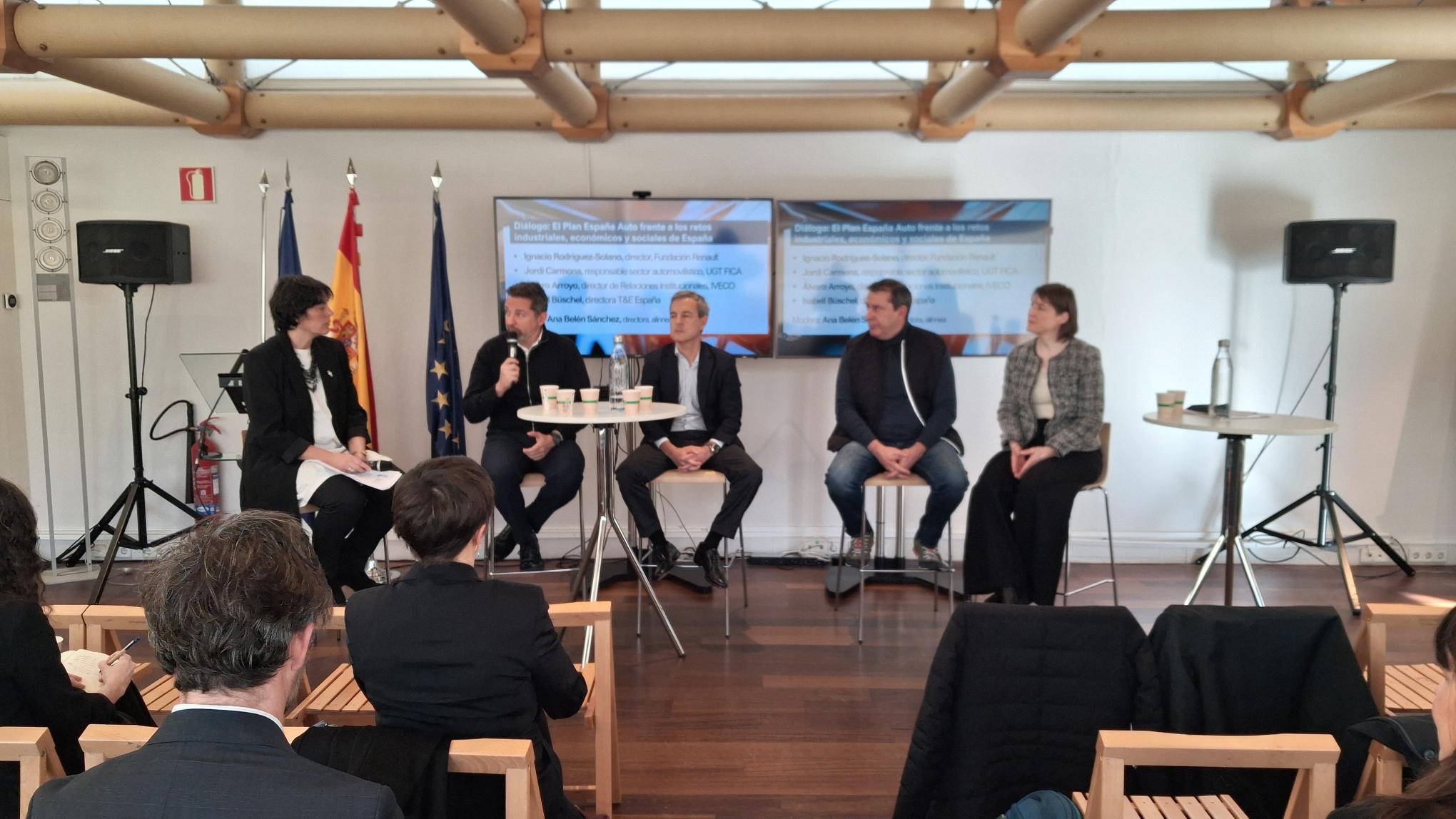
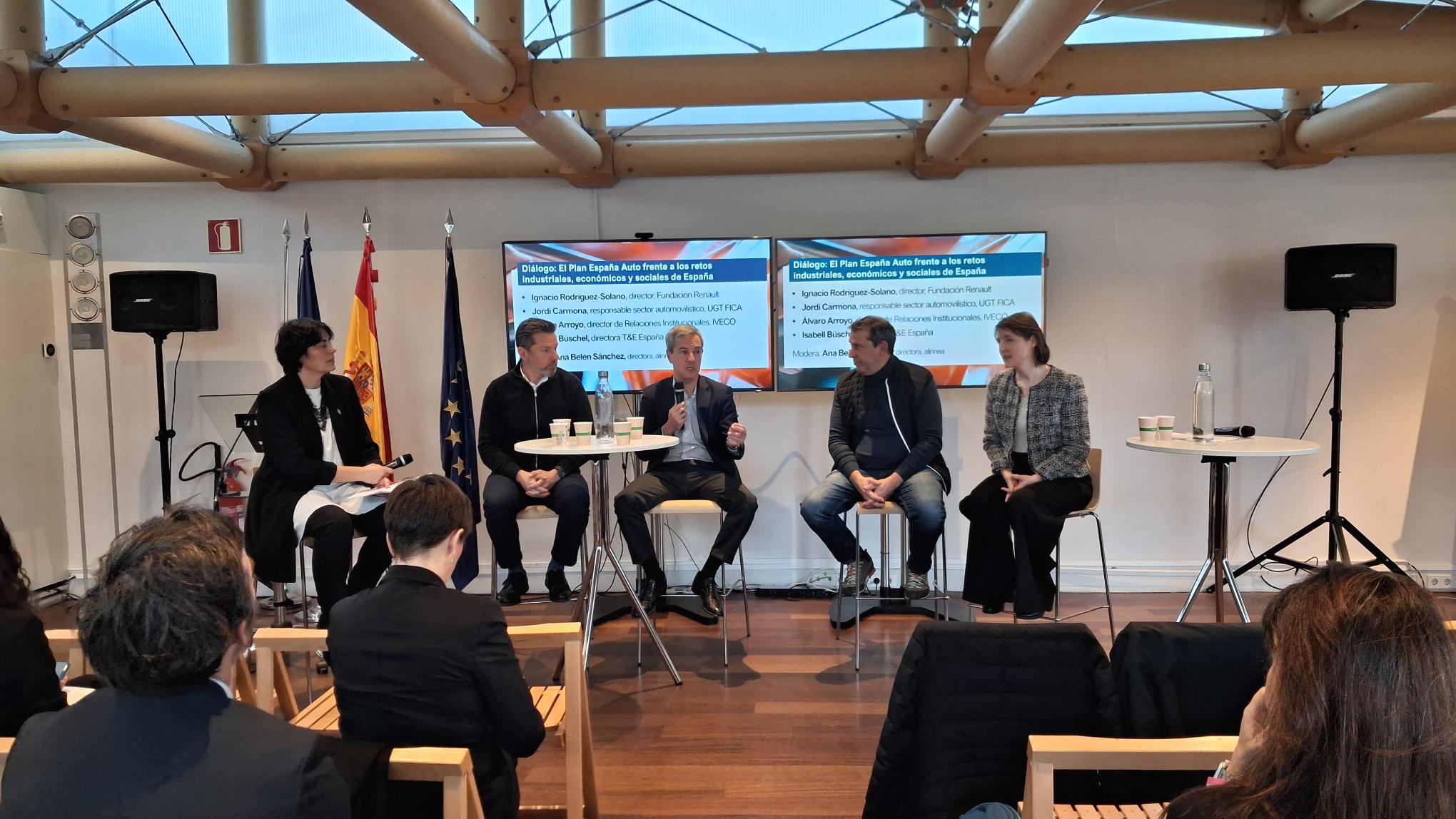
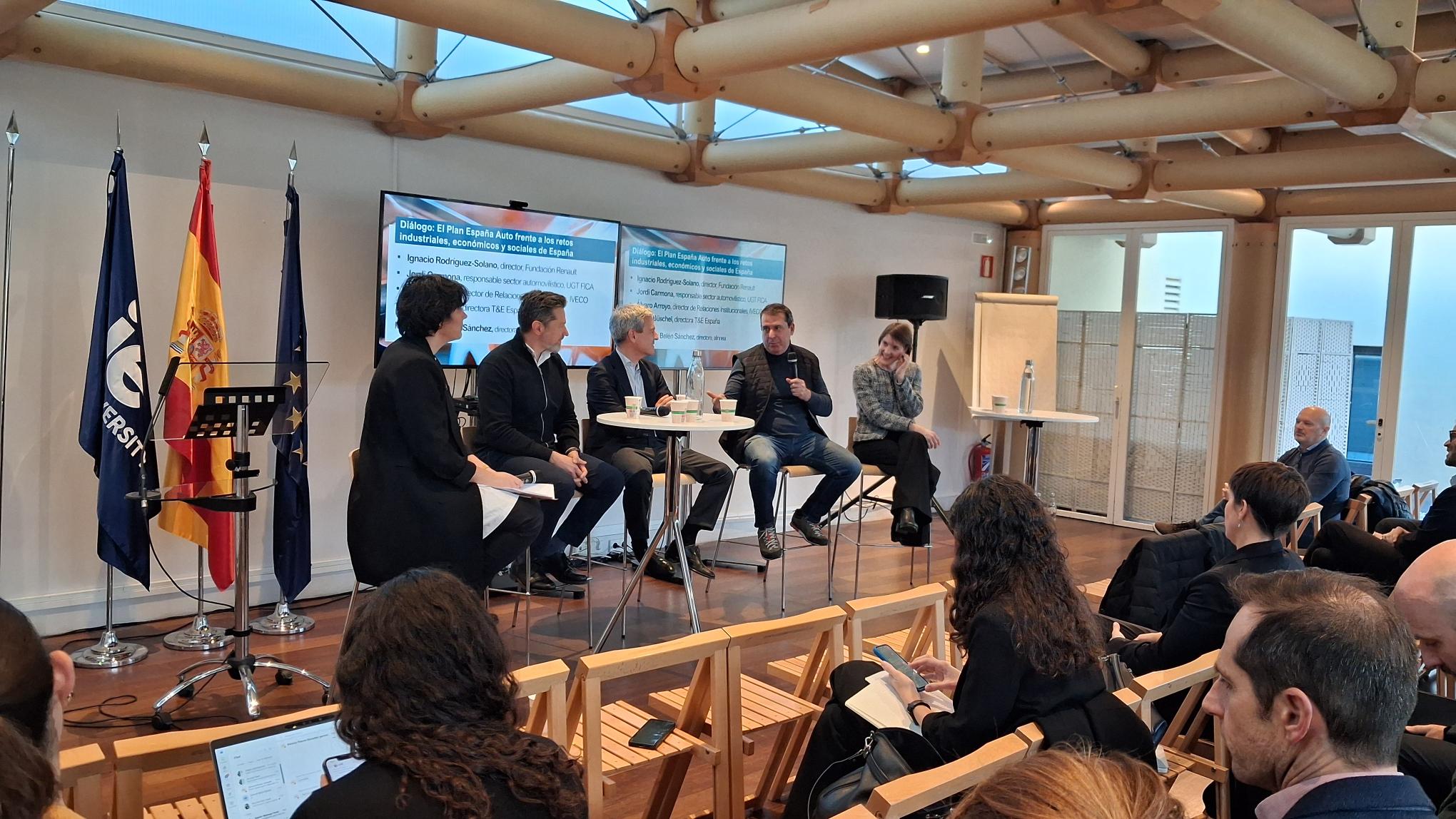
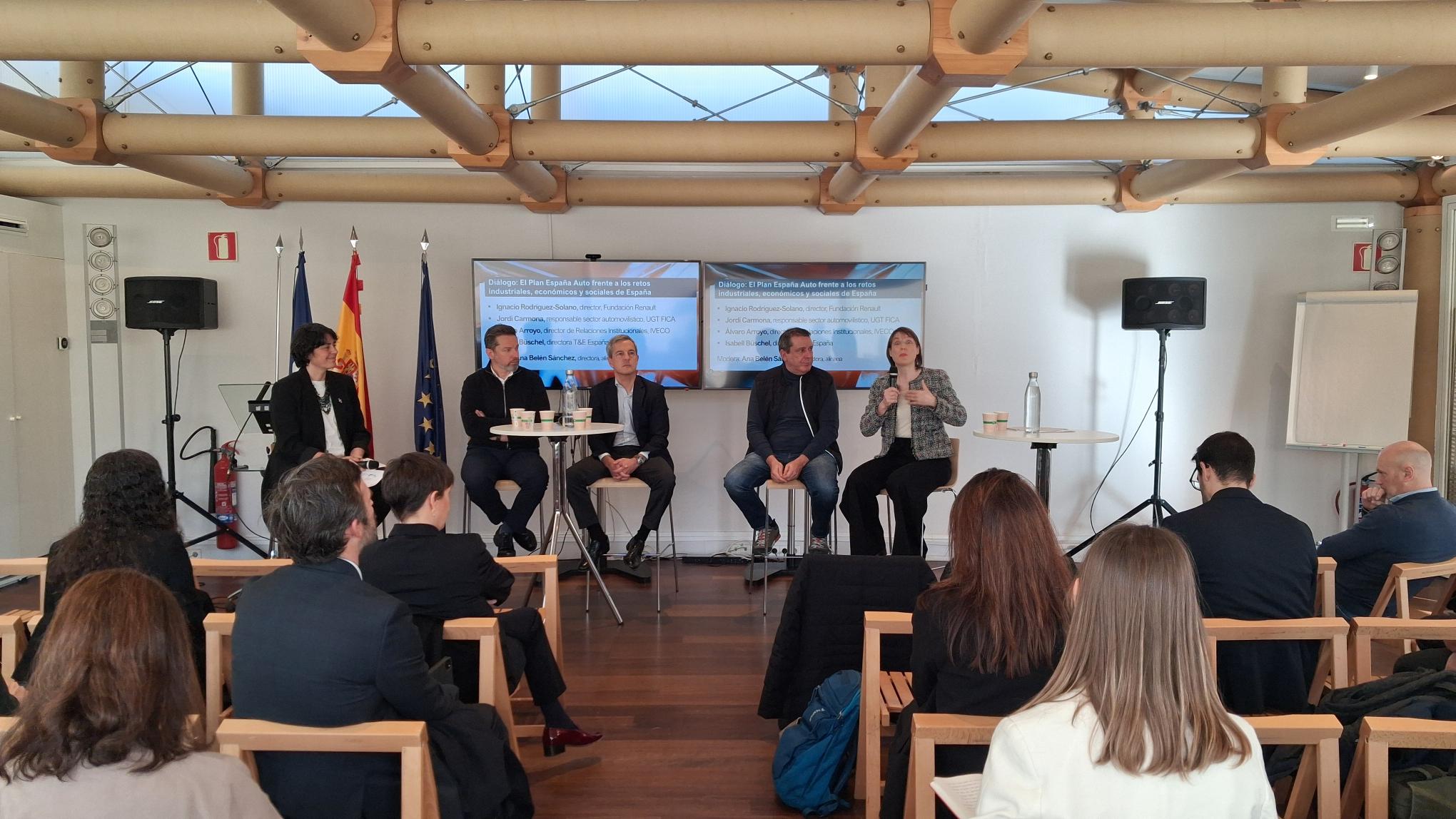
The event continued with a panel discussion moderated by Ana Belén Sánchez, bringing together Ignacio Rodríguez-Solano (Director, Renault Foundation), Álvaro Arroyo (Director of Institutional Relations, IVECO), Jordi Carmona (Head of the Automotive Sector, UGT FICA), and Isabell Büschel (Director, Transport & Environment Spain). Many of the speakers are members of alinnea’s 2025 working group.
Panelists stressed that transforming the sector is not just about manufacturing vehicles but about positioning Spain as an innovation hub capable of attracting investment, decision-making centers, and R&D activities in areas such as batteries and software amid growing international competition.
Arroyo noted that existing frameworks have largely focused on passenger cars, while trucks, buses, and fleets continue to face greater technological and regulatory challenges, despite their importance for a country highly dependent on road transport. Rodríguez-Solano emphasized the need to strengthen innovation and provide regulatory certainty—particularly in batteries and software—to position Spain as a competitive industrial hub. From a social perspective, Carmona warned of risks to employment and territorial cohesion if the transition is not managed in a fair and orderly manner, highlighting training and reskilling as essential tools to ensure that workers and communities are not left behind. Büschell, meanwhile, underscored the importance of adopting a clear governance model, especially at this early stage, to steer investment toward vehicles and technologies produced in Europe.
One of the critical elements identified by alinnea’s working group is the need to scale up battery production within the European Union in order to strengthen the automotive value chain and reduce dependence on external markets.
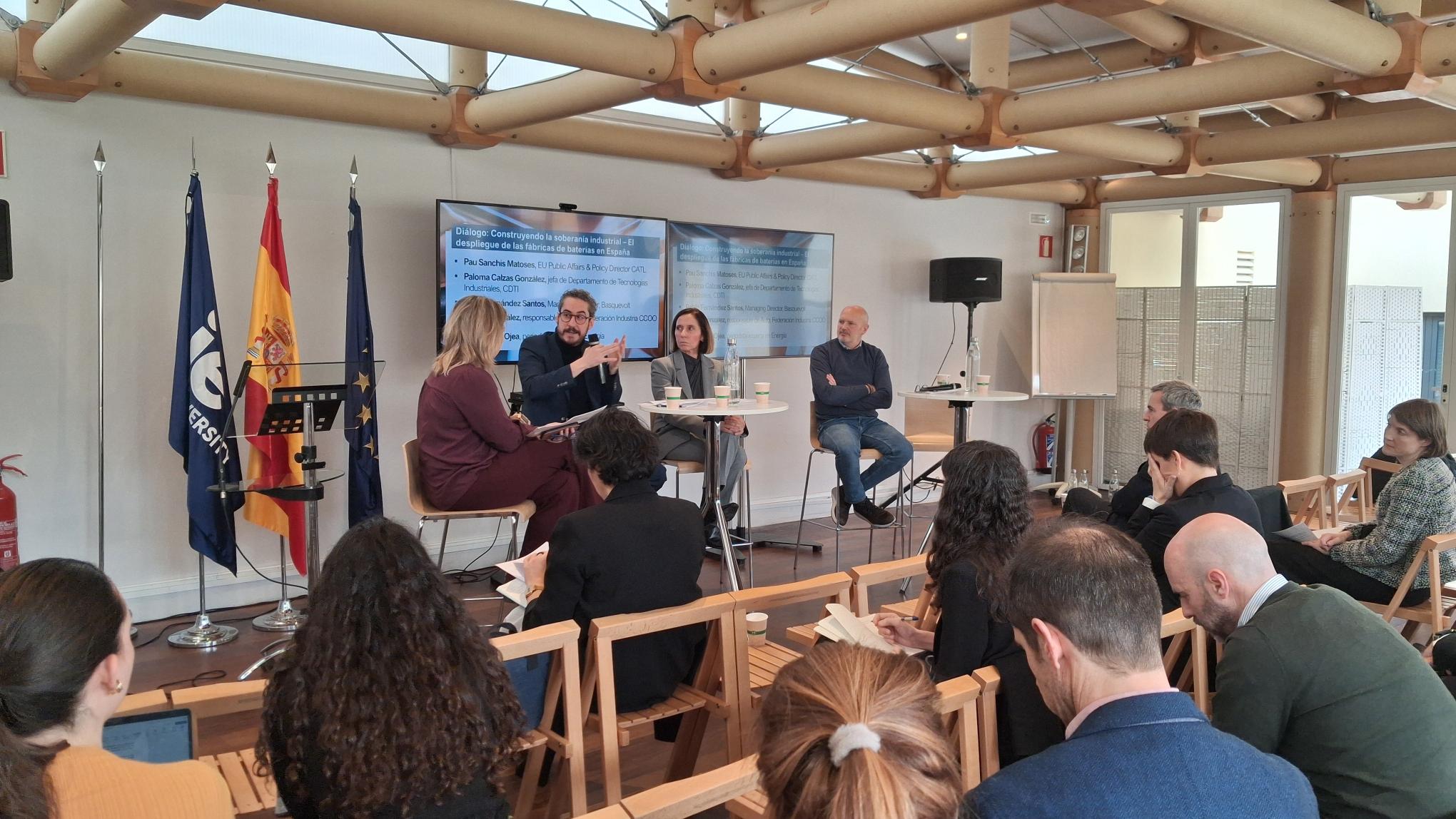
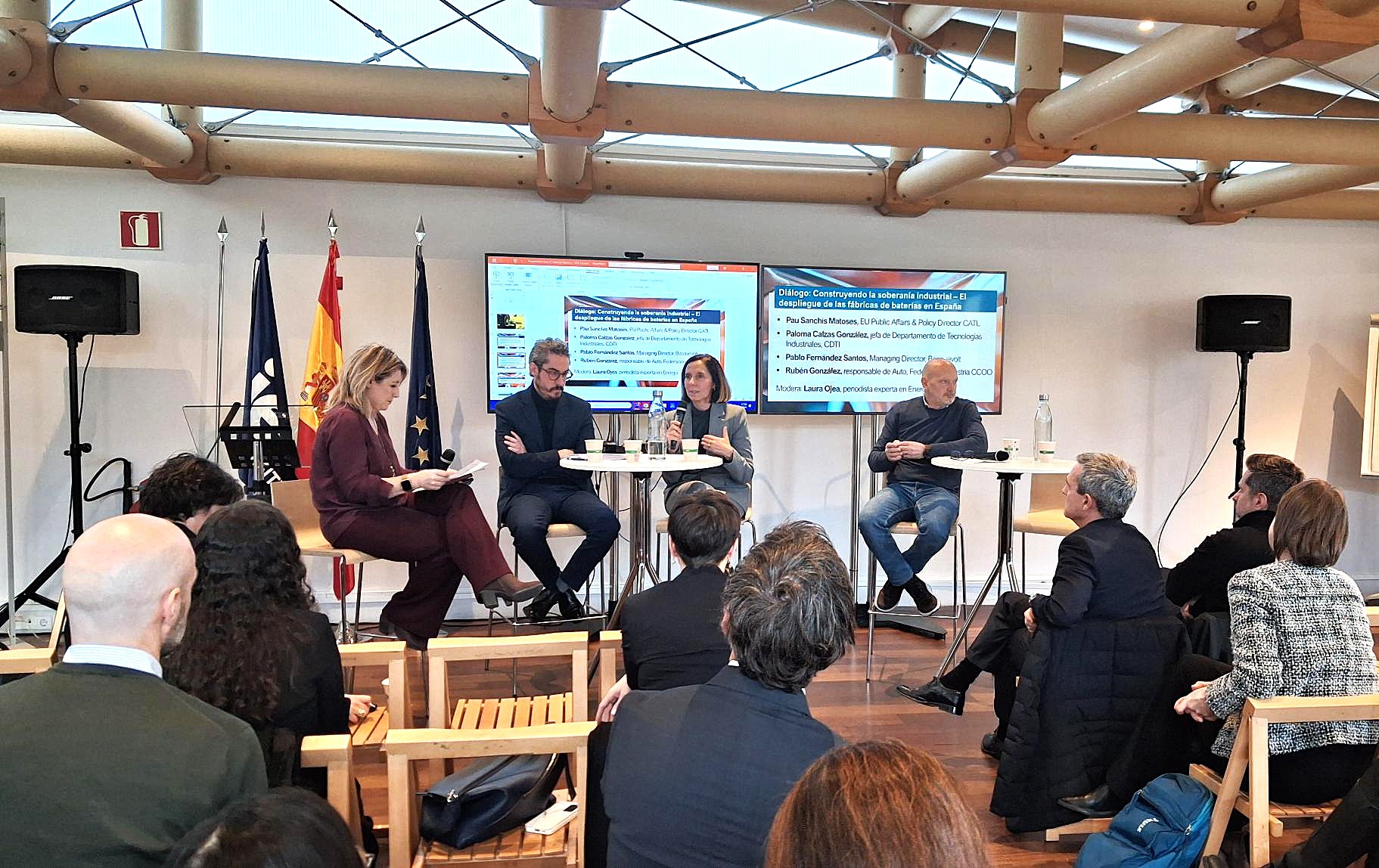
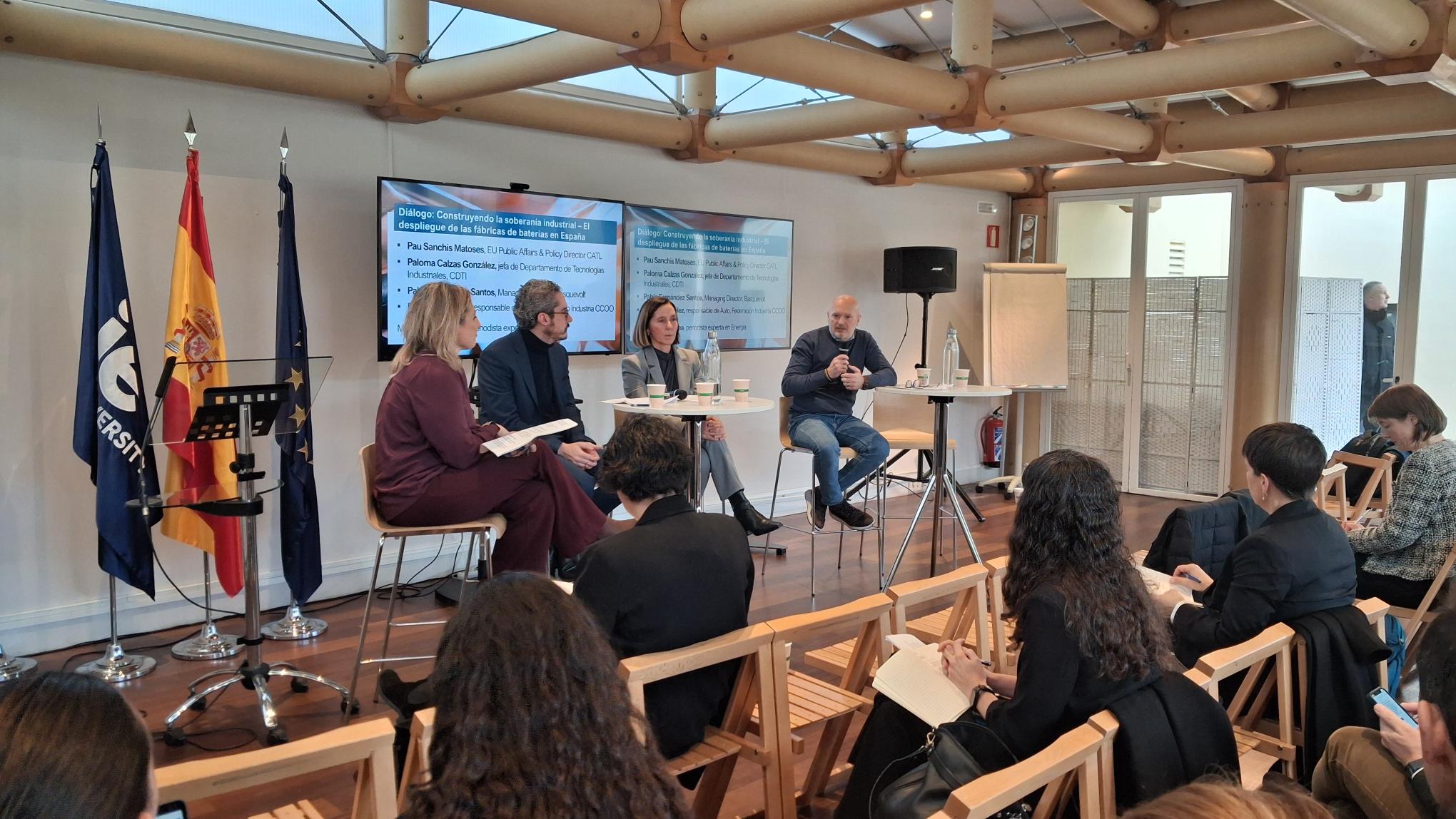
The second panel therefore focused on the strategic role of battery factories in reinforcing Spain’s industrial and energy sovereignty, addressing key challenges related to financing, industrial planning, access to critical materials, and alignment with the European regulatory framework.
Moderated by Laura Ojea, an energy journalist, the panel featured Pau Sanchis Matoses (EU Public Affairs & Policy Director, CATL), Paloma Calzas González (Head of the Industrial Technologies Department, CDTI), and Raúl Villar Pérez (Head of Automotive Manufacturers, CCOO Industry Federation).
Sanchis argued that sovereignty lies in the architecture of the battery value chain, advocating for a European strategic autonomy based on prioritizing economically viable critical materials, boosting recycling, and developing industrial capabilities beyond extraction—particularly in refining. Calzas highlighted the Spain Auto Plan as a key framework, noting that its successful implementation will require targeted support instruments, technical and financial assistance, and clear metrics to assess the real impact of investments. From the trade union perspective, Villar warned that battery industrialization will not be viable without addressing the talent shortage, calling for a national training plan, strong occupational safety measures, and governance structures that reinforce the industrial base while ensuring a just transition.
These issues are central not only to the development of the battery and critical materials market in Spain, but also to strengthening the country’s industrial and energy sovereignty. In this context, alinnea will dedicate one of its 2026 working groups to this topic, continuing to provide analysis, multi-stakeholder dialogue, and concrete proposals to help consolidate a competitive, sustainable, and EU-aligned value chain.
The event concluded with reflections from Paula Ceballos Coloma, policy analyst for climate, energy, and environment and press officer at the European Commission Representation in Spain, on the next steps for developing the electric vehicle value chain from a European perspective.
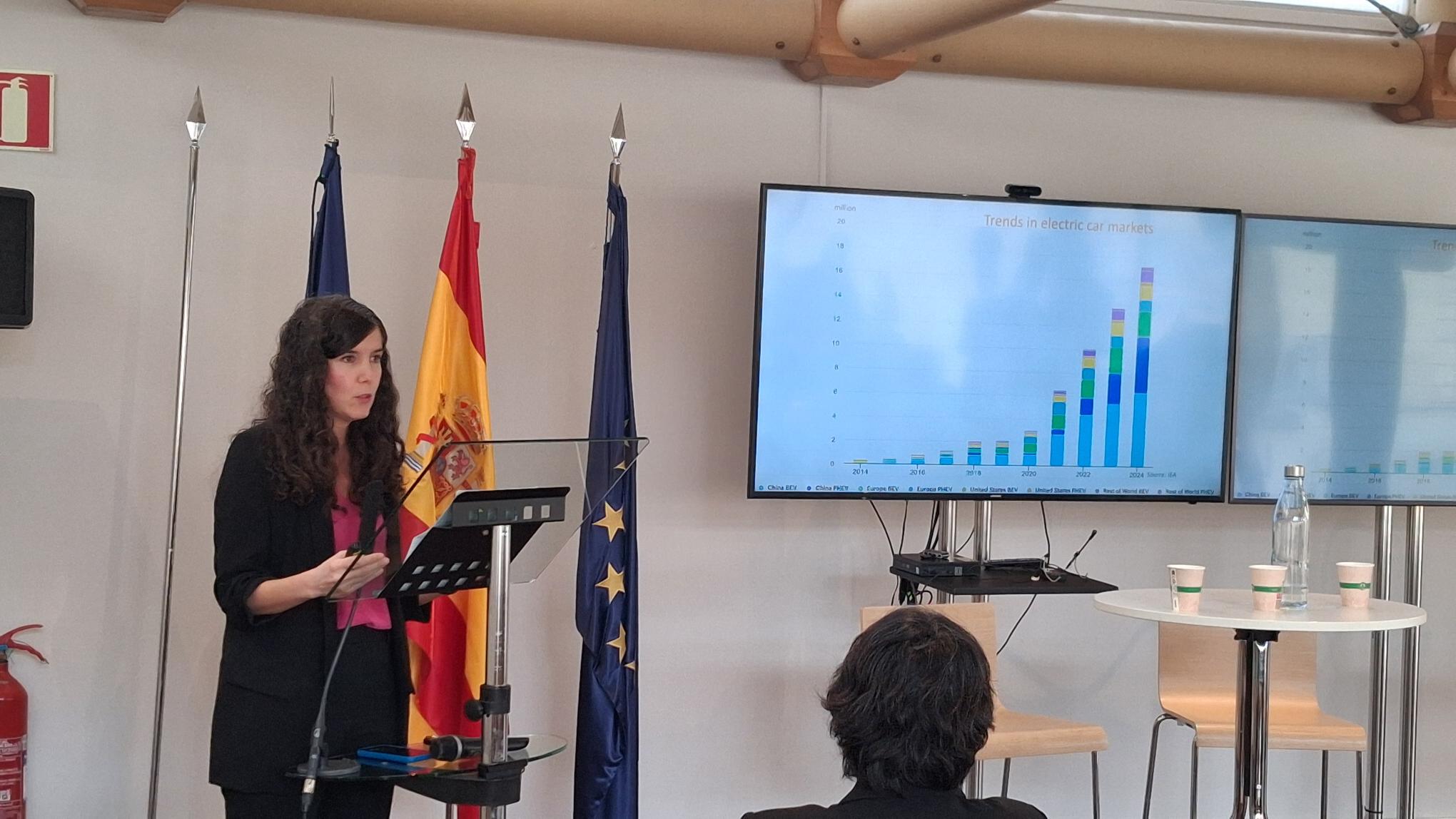
She emphasized that the key question is no longer whether electric vehicles will prevail, but where they will be produced and under what conditions. She highlighted the EU’s objective of reducing external dependencies in critical raw materials and strengthening domestic industrial capacity. Ceballos also outlined recent regulatory updates that maintain the 2035 trajectory while introducing greater flexibility, including partial technological neutrality, incentives for smaller and more affordable electric vehicles produced in the EU, and new instruments such as the Battery Booster—€1.8 billion to accelerate the development of a fully European battery value chain—as well as regulatory simplification measures designed to provide certainty to industry and speed up the transition without undermining competitiveness.
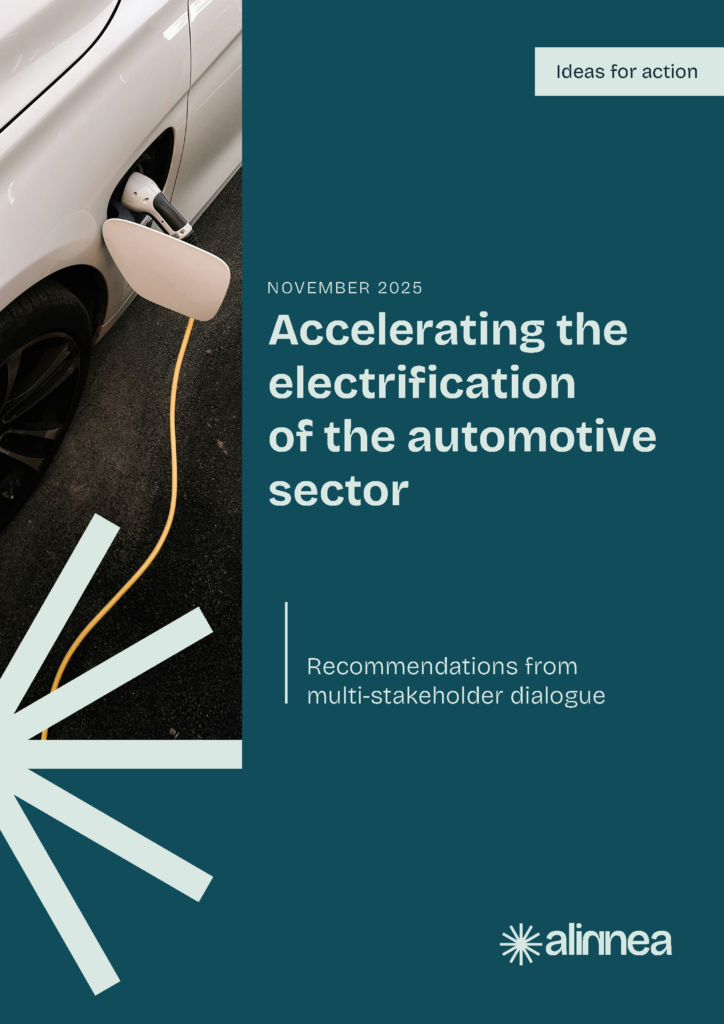
The report “Accelerating the Electrification of the Automotive Sector” is the result of the work of more than 40 stakeholders from the business, social, academic, financial and public administration spheres, brought together by alinnea in 2025 within the working group “Facing the Future: The Challenge of the Electric Automotive Sector.”
The report is available in both Spanish and English.