Home / Financing, key to a fair and sustainable renovation of Spain’s housing stock

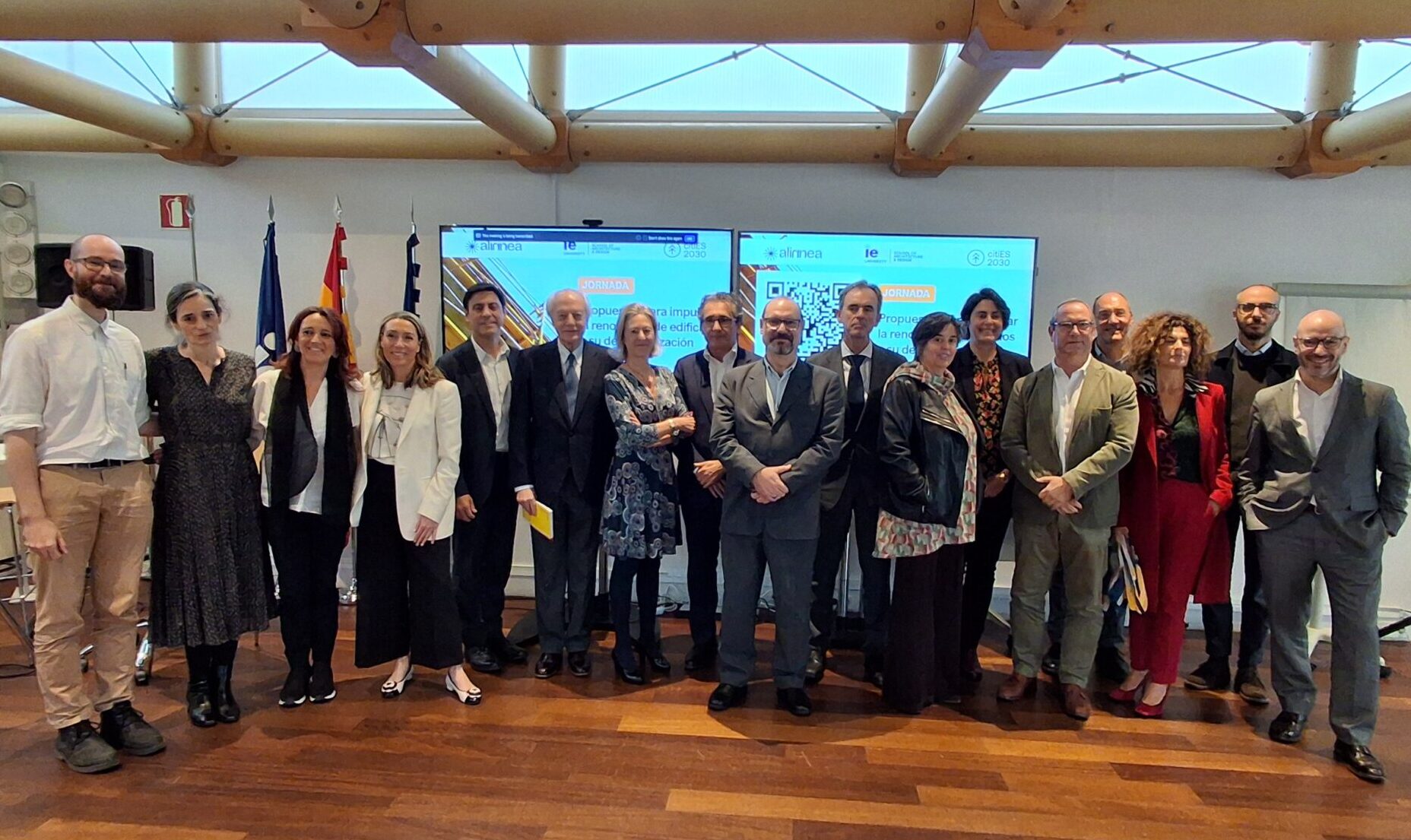
Decarbonizing Spain’s building stock is not only a climate goal—it is also an economic and social opportunity that requires new forms of financing, collaboration, and governance. Today, at IE University’s Paper Pavilion in Madrid, Alinnea, together with the cities platform citiES2030 and the IE School of Architecture and Design, presented the results of an extensive analytical and policy-oriented study on the climate resilience of Spain’s real estate sector, the outcome of nearly two years of multi-stakeholder dialogue.
These reports compile the results of months of engagement with public, private, and social actors—first identifying solutions in areas such as sustainable finance mobilization, coordination between public and private instruments, simplification of aid procedures, and inclusion of vulnerable groups, and, secondly, carrying out into a detailed analysis of existing financial mechanisms, their advantages, and limitations.
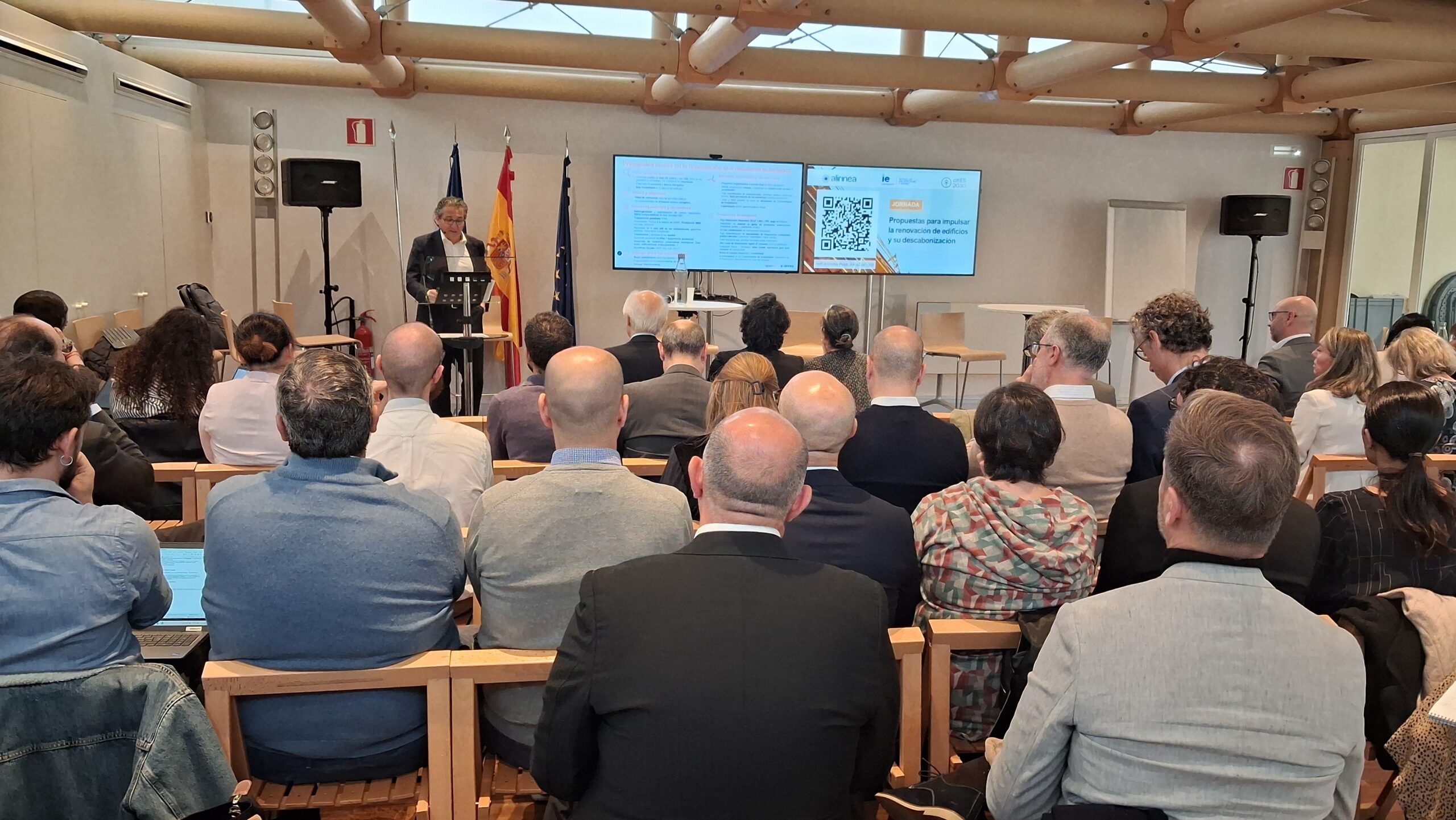
The event opened with remarks from Ana Belén Sánchez, Director of alinnea; Cristina Mateo, Associate Dean of the IE School of Architecture and Design; and María García Rodríguez, Director of Climate KIC Spain. The former emphasized that although the message has been repeated for years, “now is the decisive moment”: sustainability objectives and European decarbonization regulations are already on the table, and cities represent a key opportunity to accelerate this transformation.
Next, Gregorio Astengo, PhD, architect and professor at IE School of Architecture and Design, and Flavio Tejada, director at ARUP and professor at IE Real Estate Master, participated in a discussion moderated by Cristina Mateo on the main challenges facing the real estate sector in the context of sustainability.
Both emphasized that understanding rehabilitation as a new space for architectural experimentation, from urban scale to design, is crucial. They underscored the need to transform the built environment by reimagining urban living and encouraging civic participation. The challenge, they noted, lies in “unlearning what has been learned” and moving toward a truly multisectoral approach—one capable of mobilizing large-scale financing and responding to the growing housing emergency.
Ana Belén Sánchez began by presenting the findings of alinnea’s 2024 Working Group, which analyzed financing as a lever for accelerating building renovation in Spain. The report identifies key bottlenecks hindering the renovation of the residential stock and proposes solutions to mobilize green investment, strengthen technical assistance, and ensure that vulnerable households can participate in a just transition toward a more efficient and climate-resilient built environment.
Pablo Esteban, Deputy Director of Spainsif and technical lead of alinnea’s 2025 Working Group, then presented the results of the latest report, focused on one of the bottlenecks identified previously: the lack of attractive financial instruments to stimulate renovation demand.
The report issues a call to action to regulators, financial institutions, and sector stakeholders to transform the current model of renovation financing in Spain. Among its key proposals is the need to advance toward a regulatory framework that makes the availability and traceability of energy data mandatory—a crucial condition for scaling investment and designing effective policies. It also calls for a coordinated National Aid Plan to simplify procedures and prevent fragmentation across administrations, as well as the creation of a National Guarantee Fund and special-purpose vehicles to mobilize private capital with varying risk profiles. Finally, the report highlights the importance of simplifying sustainability objectives and fostering genuine financial innovation capable of combining public and private resources to drive large-scale renovation and ensure that no household is left behind in the transition toward a more efficient and resilient building stock.
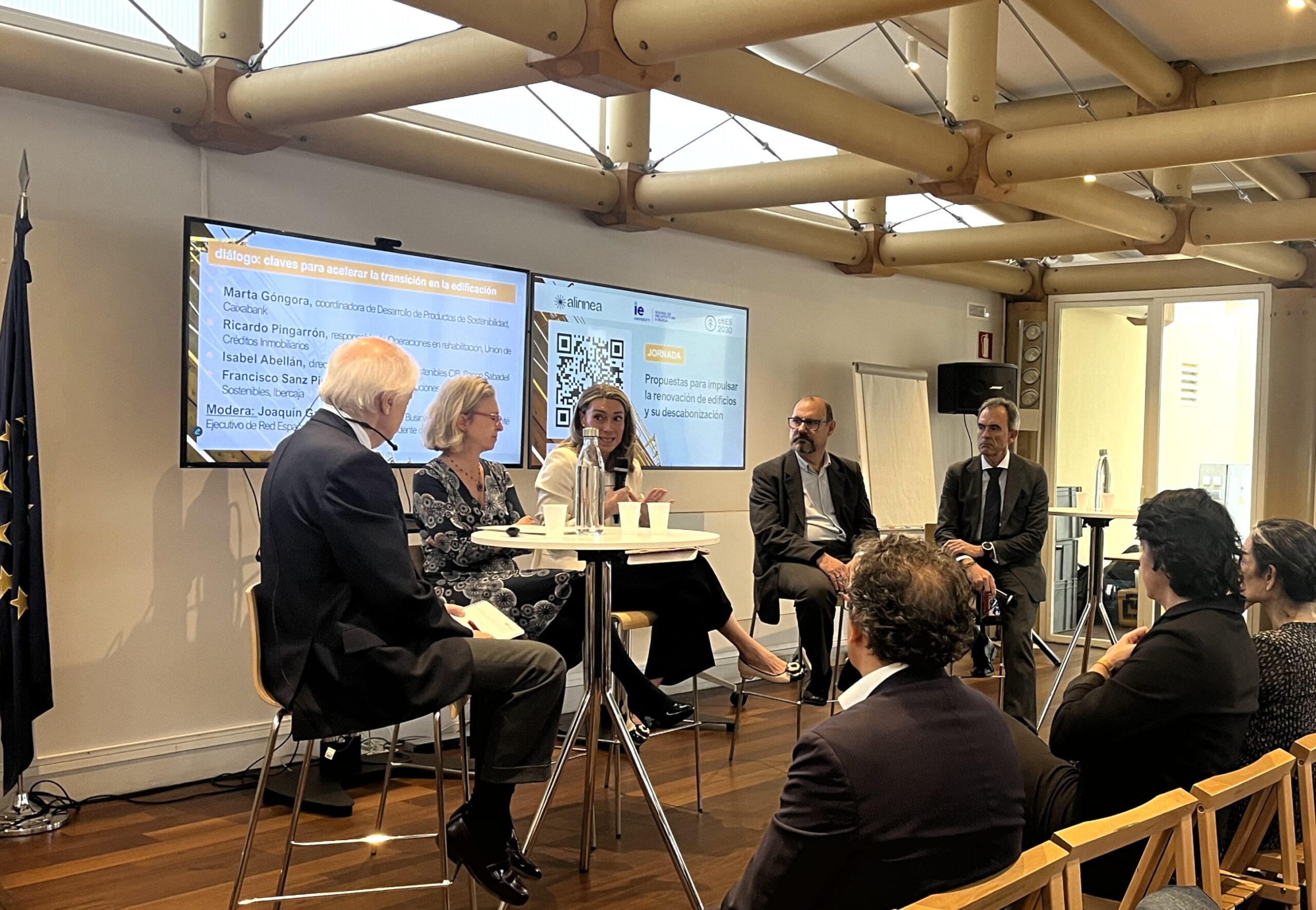
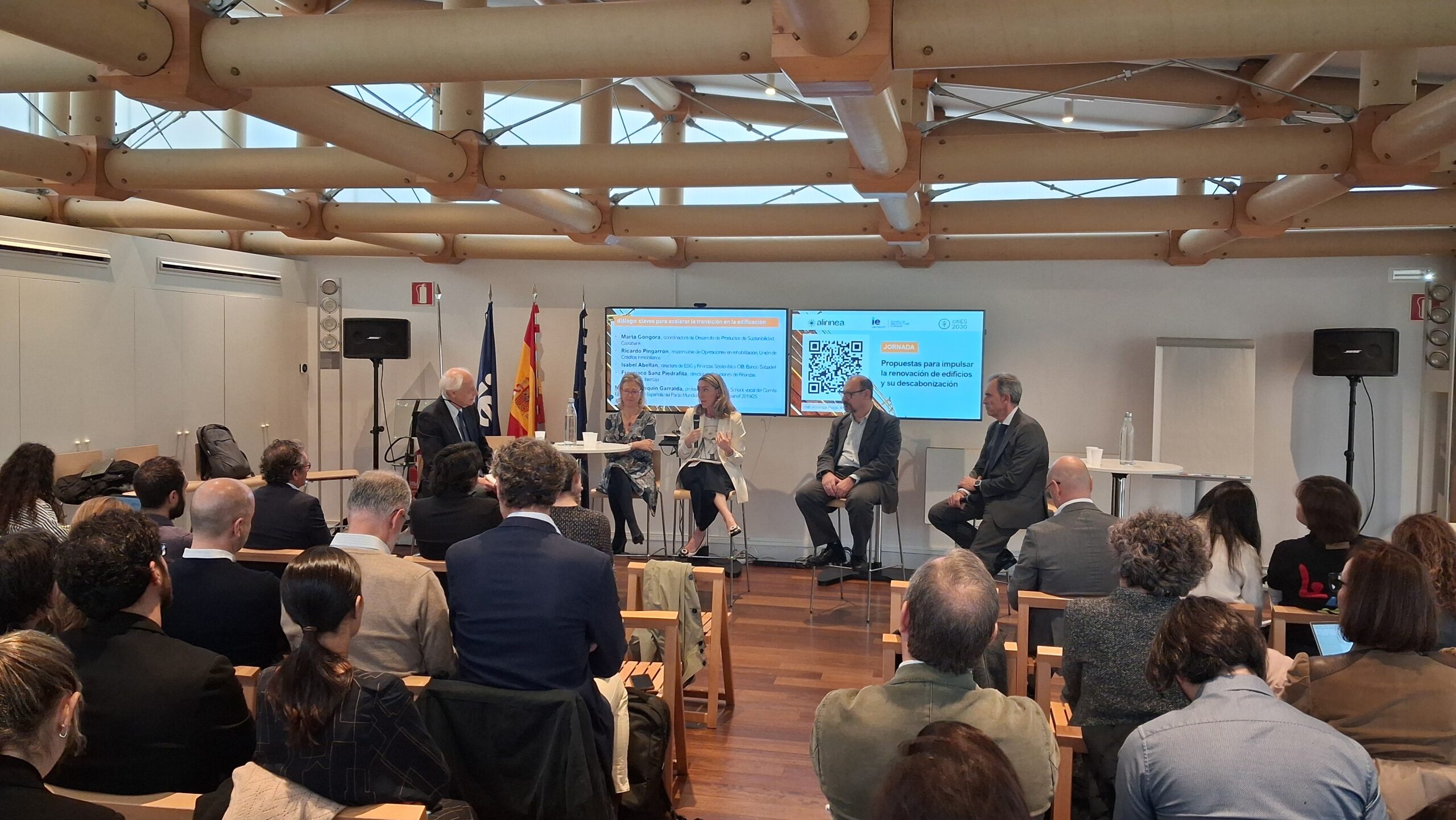
The first roundtable brought together key representatives from the financial sector, a central player in the report’s call to action. Participants included Marta Góngora, Sustainability Product Development Coordinator at CaixaBank; Ricardo Pingarrón, Head of Rehabilitation Operations at Unión de Créditos Inmobiliarios (UCI); Isabel Abellán, Director of ESG and Sustainable Finance CIB at Banco Sabadell; and Francisco Sanz Piedrafita, Director of Sustainable Finance Solutions at Ibercaja. The session was moderated by Joaquín Garralda, professor at IE Business School, member of the Executive Committee of the Spanish Global Compact Network, and former president of Spainsif.
Each institution shared how it promotes renovation through green mortgages, credit lines, energy performance contracts (EPCs), and financing programs linked to public subsidies. All agreed that access to renovation remains complex, limited by low demand and information asymmetries among property owners, which hinder the effective use of available aid.
They also emphasized the need to professionalize the sector, provide greater legal stability, and build a continuous rehabilitation industry, directing support particularly toward vulnerable communities. Looking toward 2030, they identified community financing, green mortgages, and social reverse mortgages as products with the greatest growth potential, advocating for the improvement of existing instruments rather than the creation of new ones.
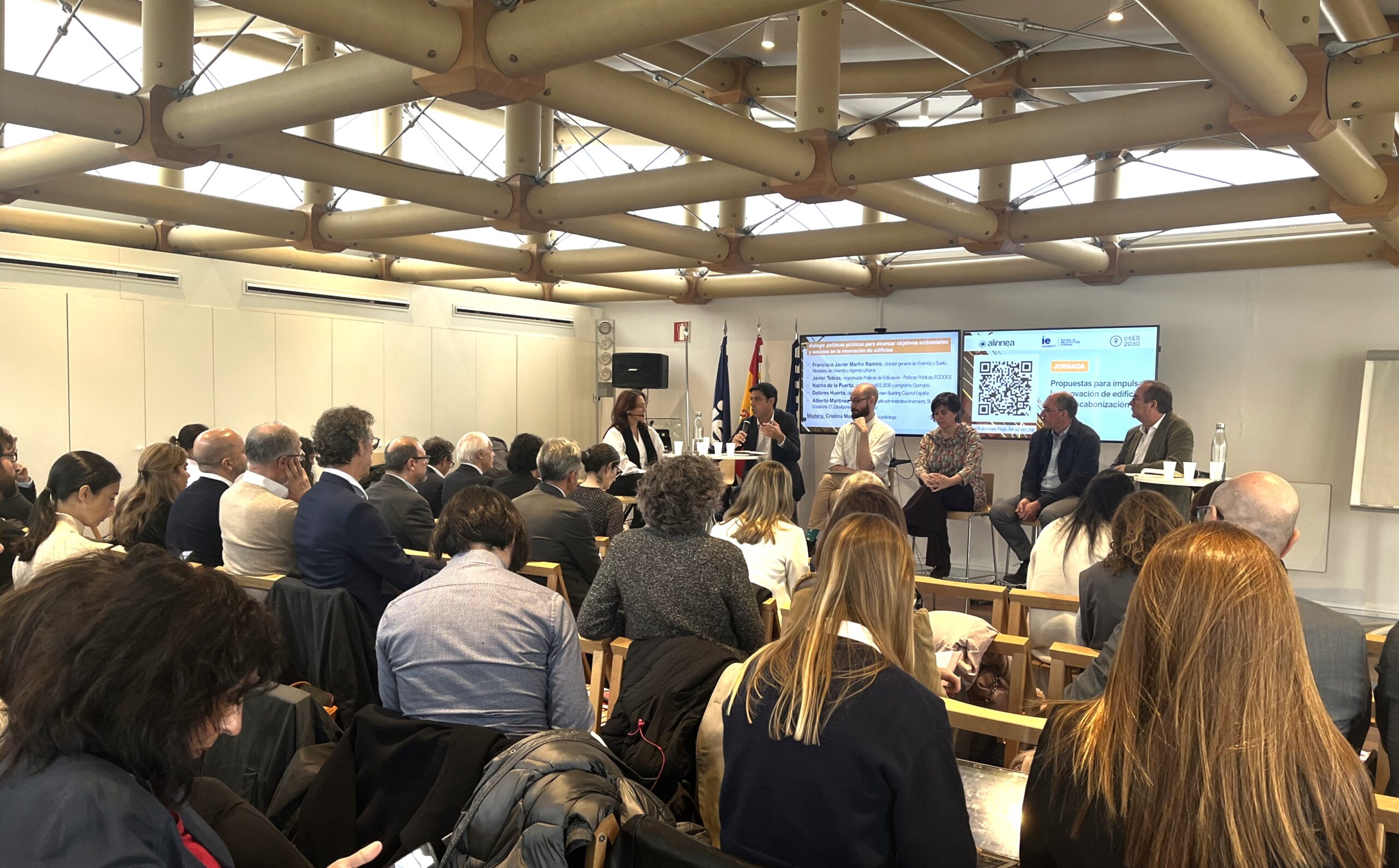
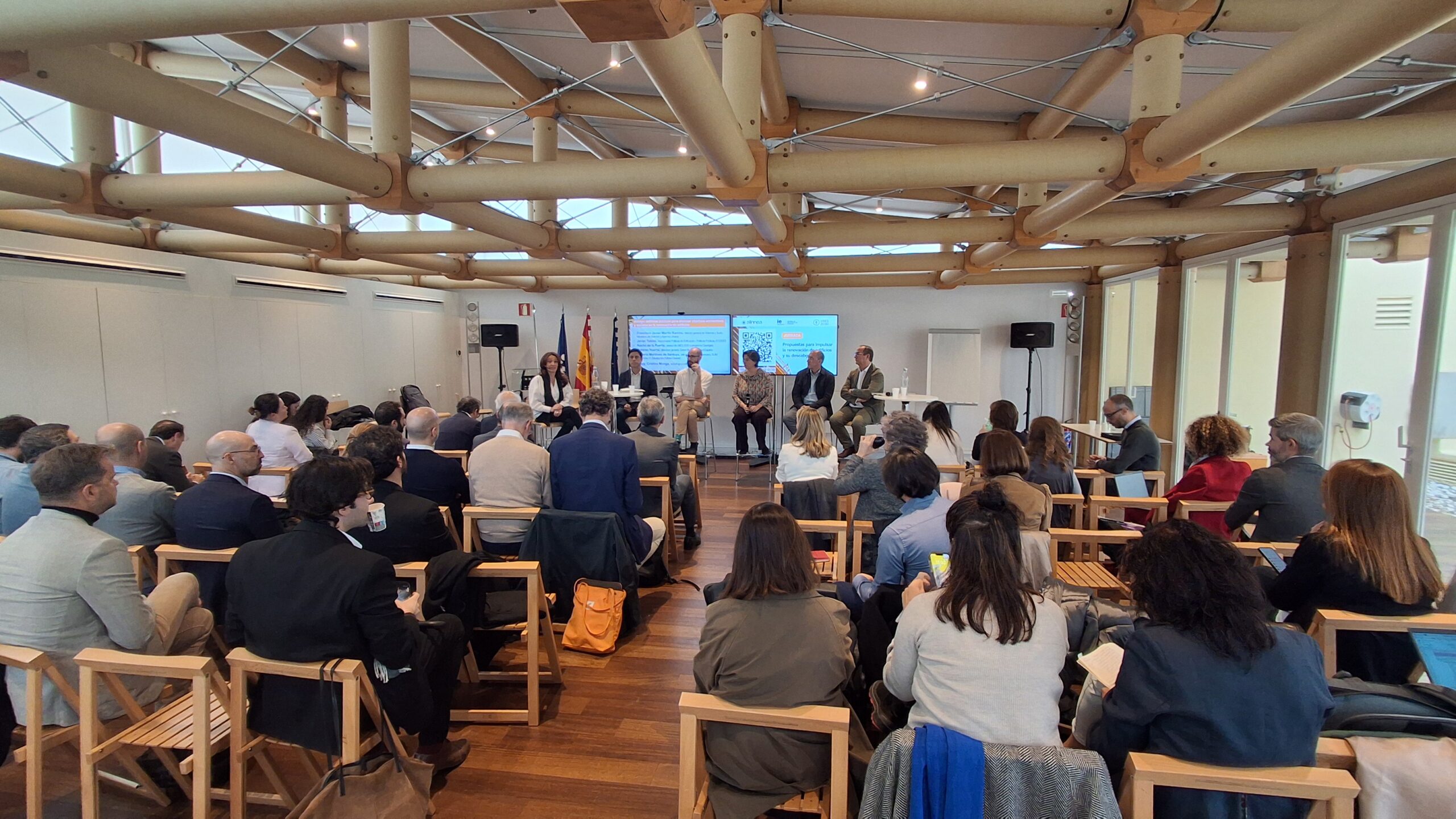
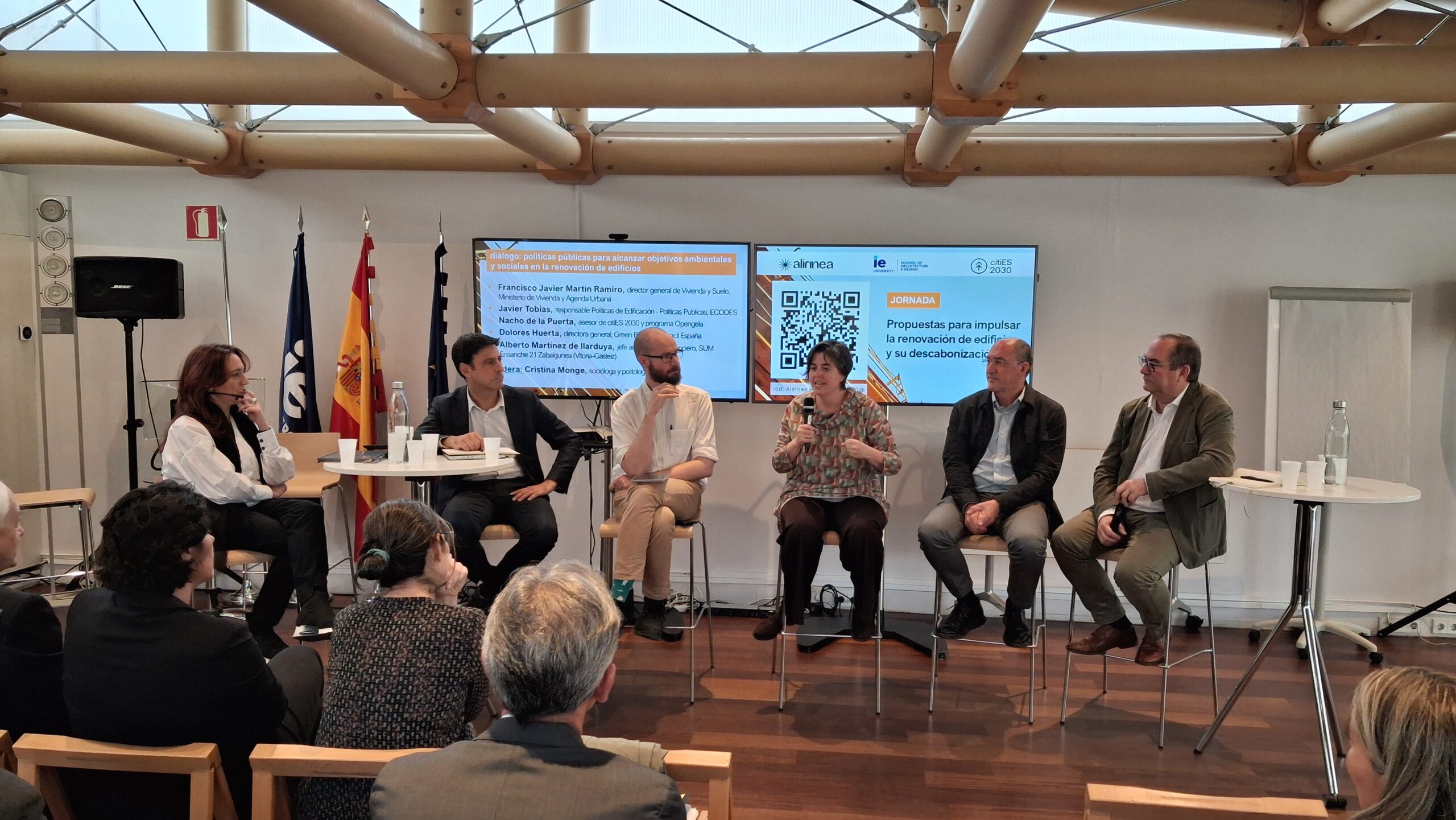
To close the event, a panel brought together public and social sector representatives, including Francisco Javier Martín Ramiro, Director General of Housing and Land at the Ministry of Housing and Urban Agenda; Javier Tobías, Head of Building and Public Policy at ECODES; Ignacio de la Puerta, Advisor to citiES2030 and the Opengela program; Dolores Huerta, Director General of the Green Building Council Spain; and Alberto Martínez de Ilarduya, CFO of SUM Ensanche 21 Zabalgunea (Vitoria-Gasteiz). The session was moderated by Cristina Monge, a sociologist and political scientist specializing in ecological transition and civic participation.
Speakers agreed on the need to consolidate a stable, inclusive, and accessible rehabilitation sector, especially for vulnerable groups. They emphasized the importance of providing “less aggressive financing”—with low interest rates and long-term stability—avoiding uncertainty caused by political cycles. They also called for the creation of a dedicated public entity to coordinate aid programs and ensure continuity.
Looking to European examples, they pointed out that commitment must be sustained and regulated—as in Denmark, where rehabilitation is part of the institutional DNA—while avoiding the policy swings seen in countries like Italy.
The closing message was clear: it is time to act. Renovation can no longer wait; it must become a true driver of social, economic, and environmental transformation.



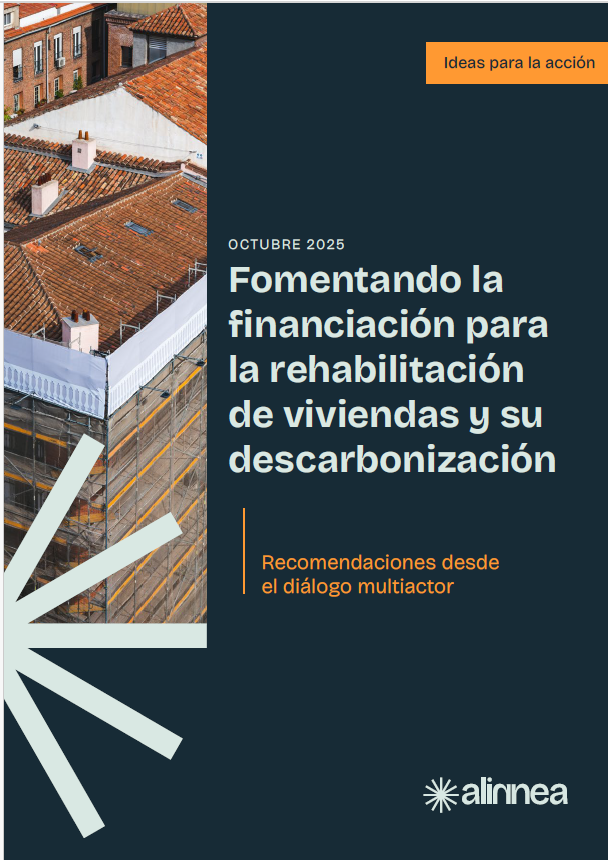
‘Fomentando la financiación para la rehabilitación de viviendas y su descarbonización’, alinnea 2025
‘Analysis of available financial instruments for building for building renovation: current status, key challenges and proposals to accelerate their deployment‘, alinnea 2024