Home / alinnea brings the debate on competitiveness and the climate transition to Brussels
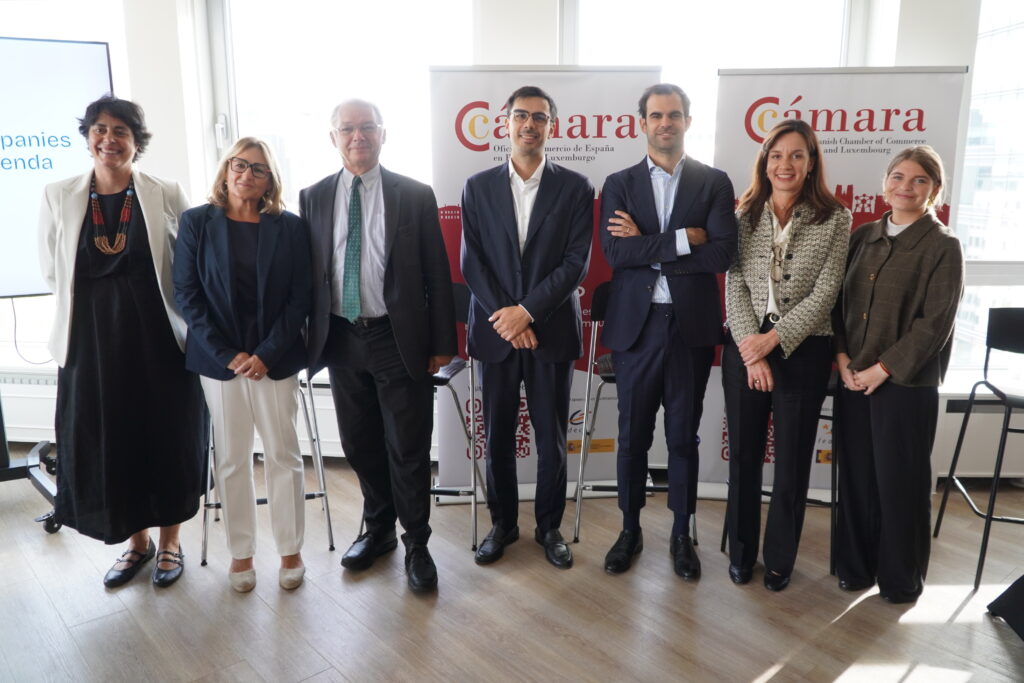
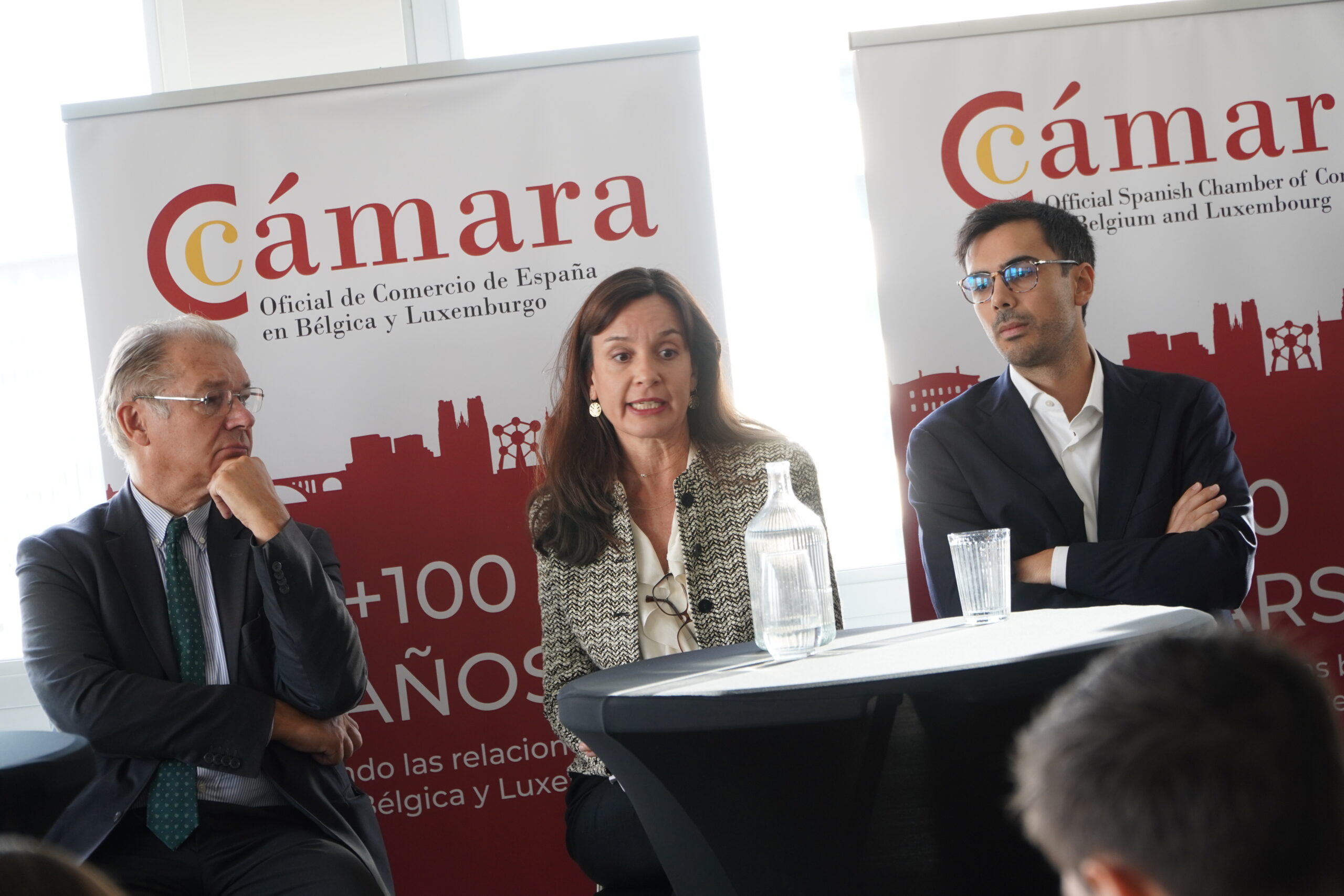
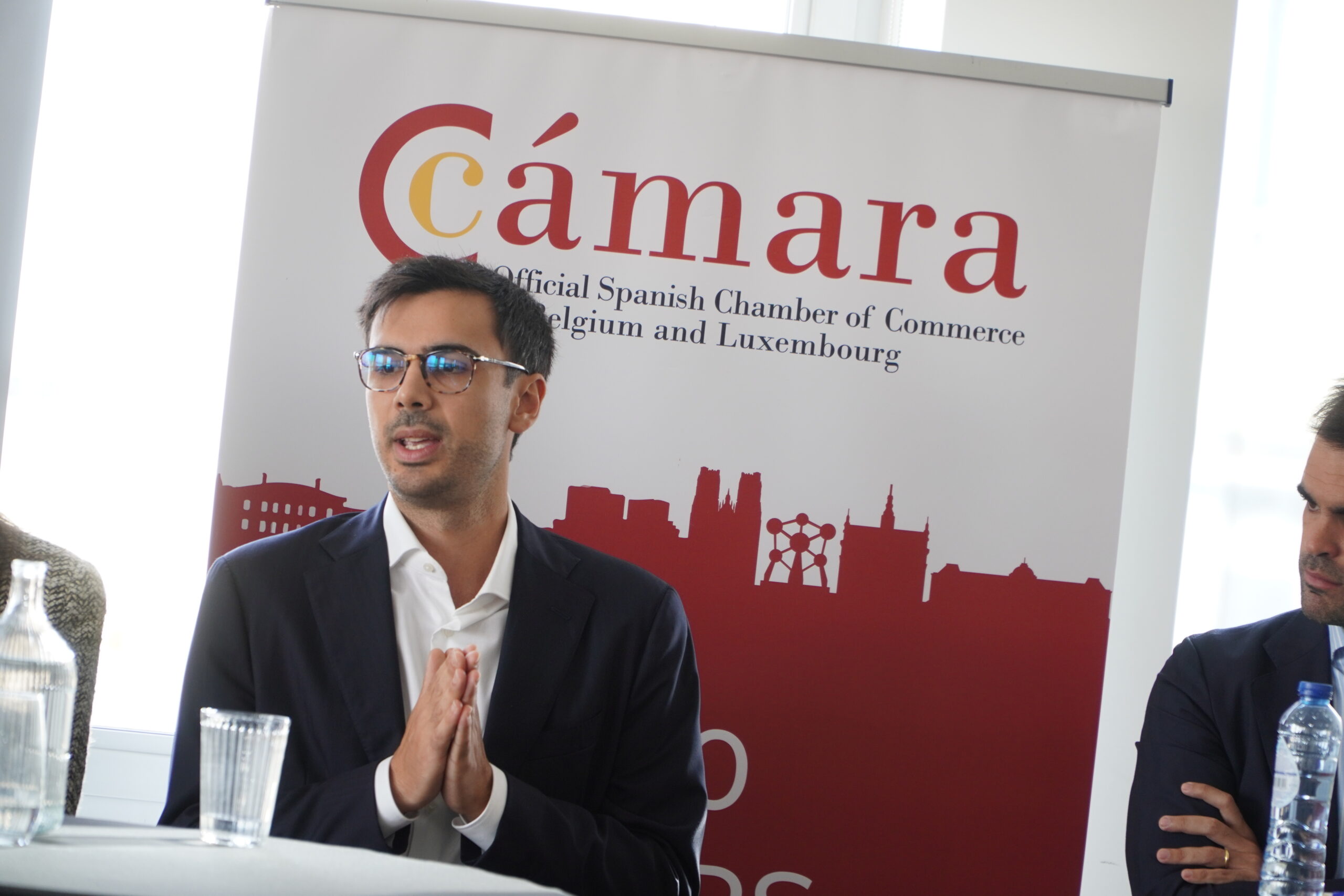
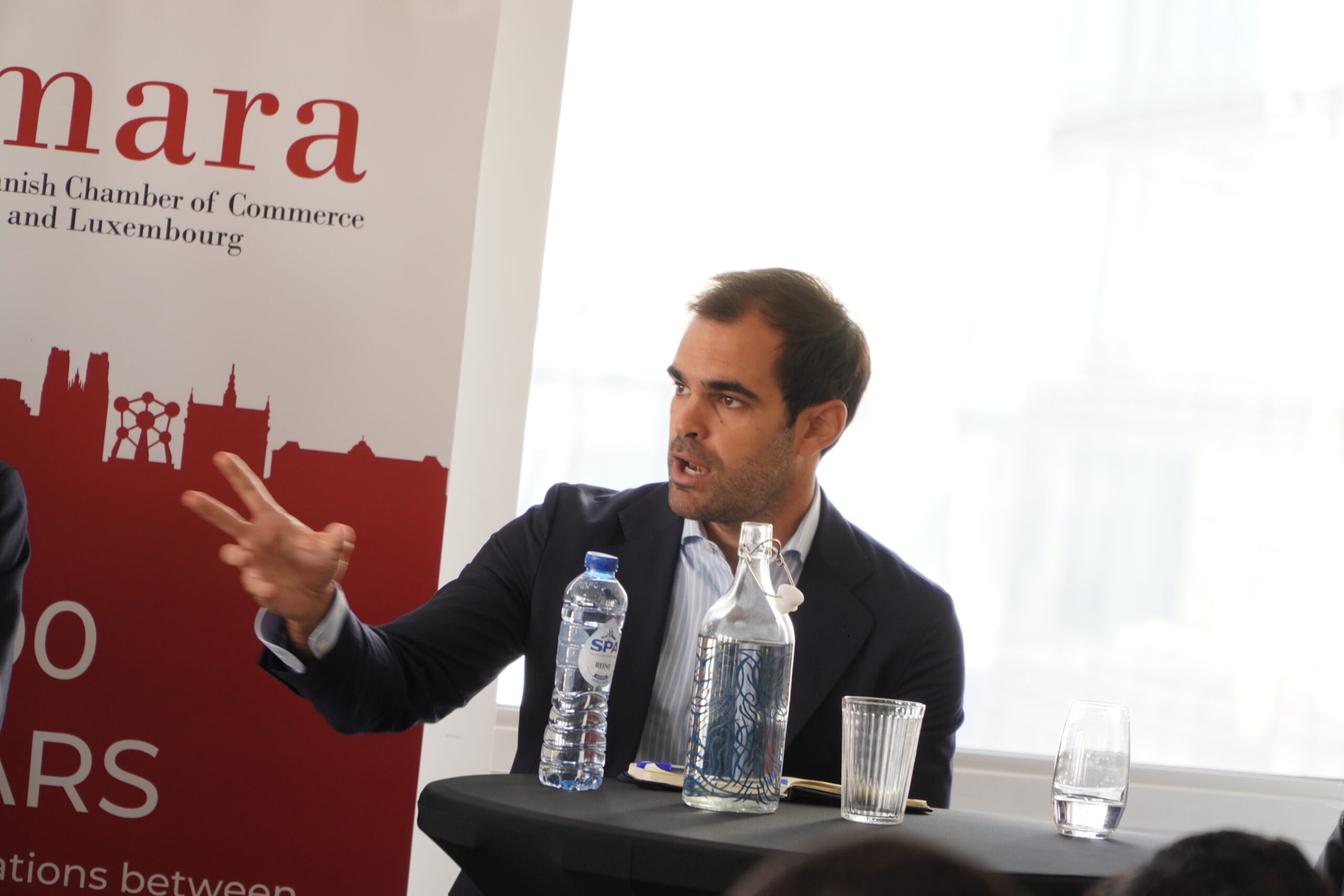
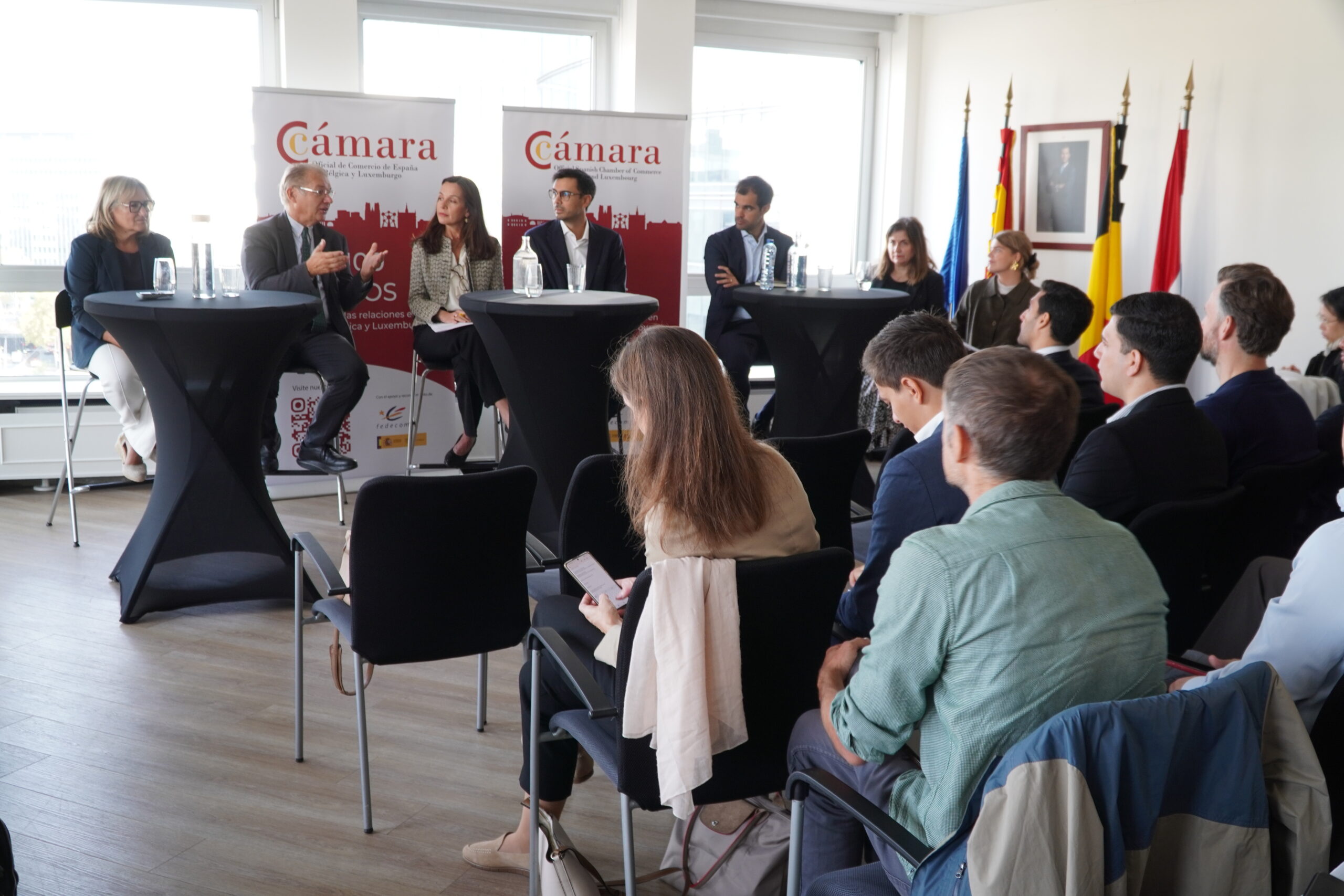
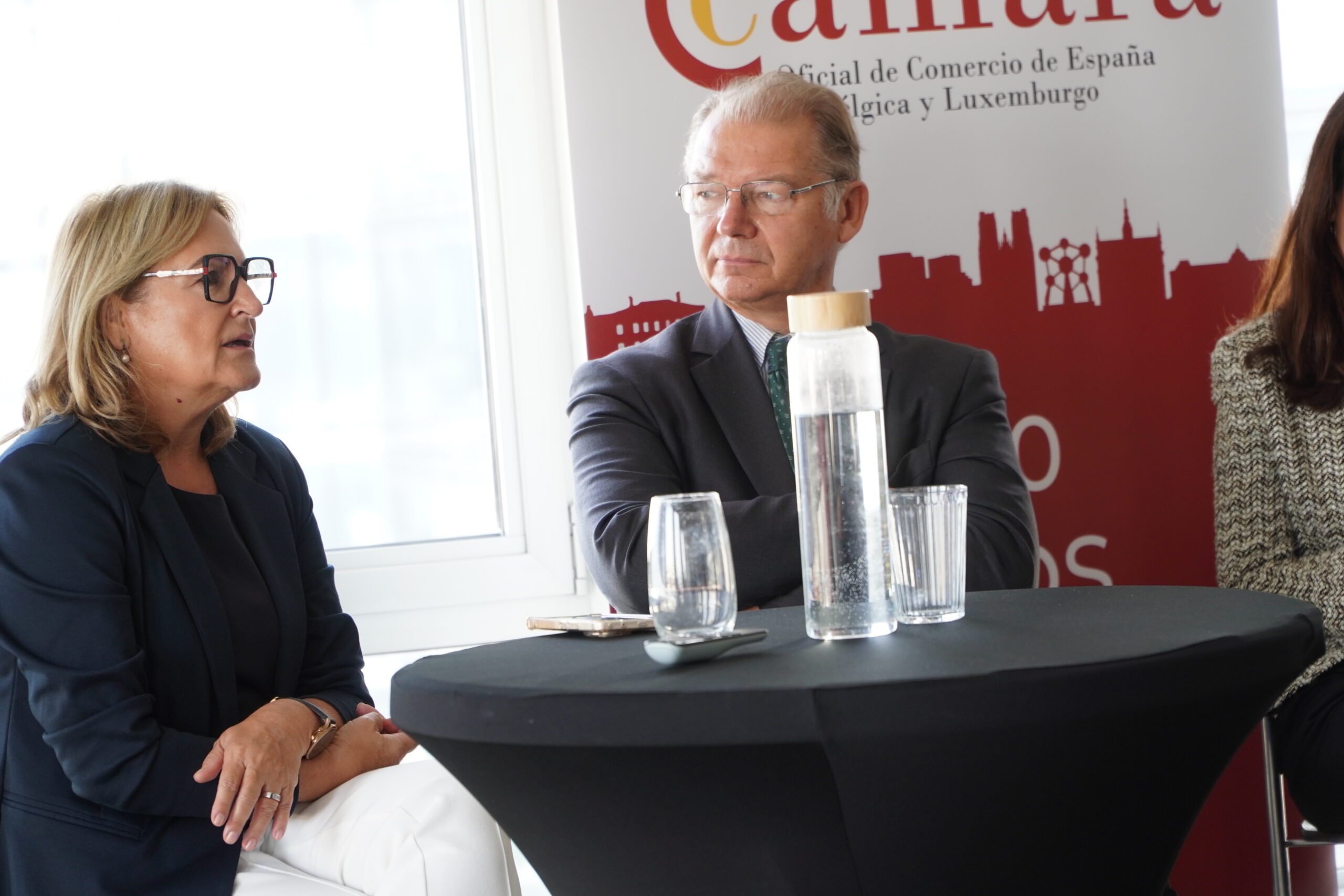
alinnea held the event Climate Transition and Competitiveness: Spanish Companies in the European Industrial Agenda at the Official Spanish Chamber of Commerce in Belgium and Luxembourg. The event brought together representatives from European institutions, the financial sector, business and academia to explore how climate action and competitiveness can be advanced together and how European plans can be translated into concrete results.
The discussion focused on several conditions needed to make progress: a stable and understandable regulatory framework, more agile administrative processes, suitable financial instruments for innovative companies and greater support for SMEs. The speakers also highlighted the need to accelerate the implementation of existing policies and reduce fragmentation within the European single market.
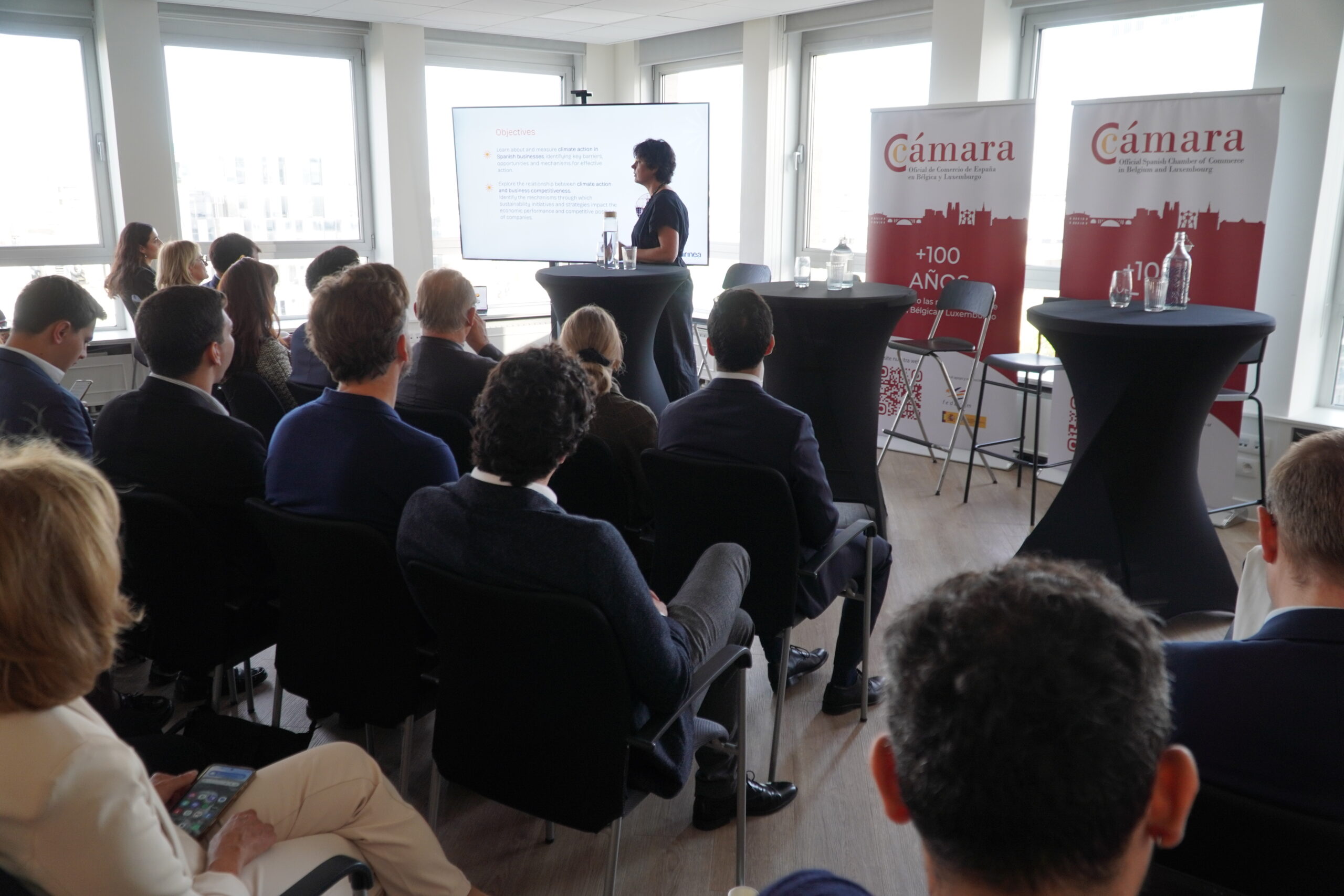
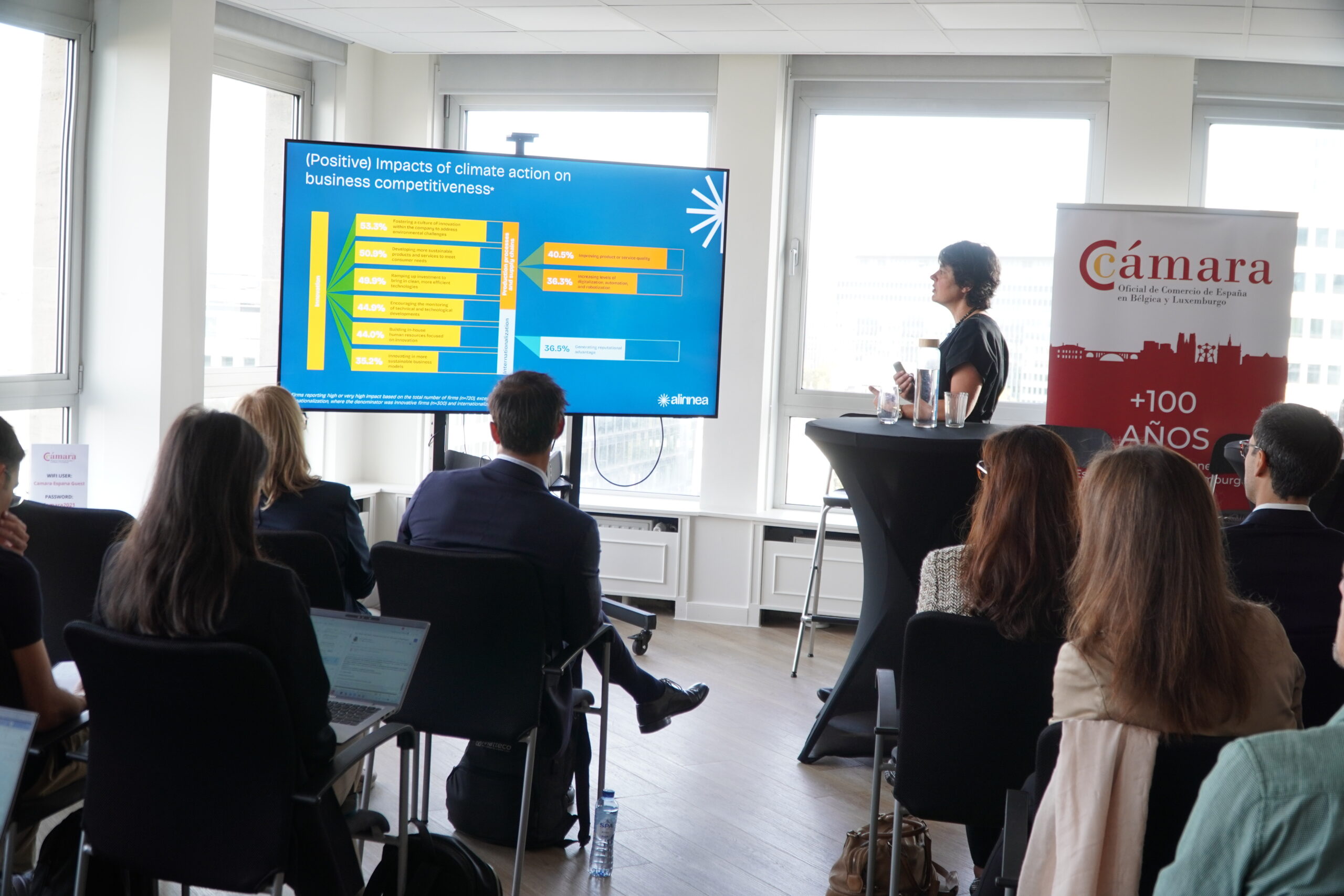
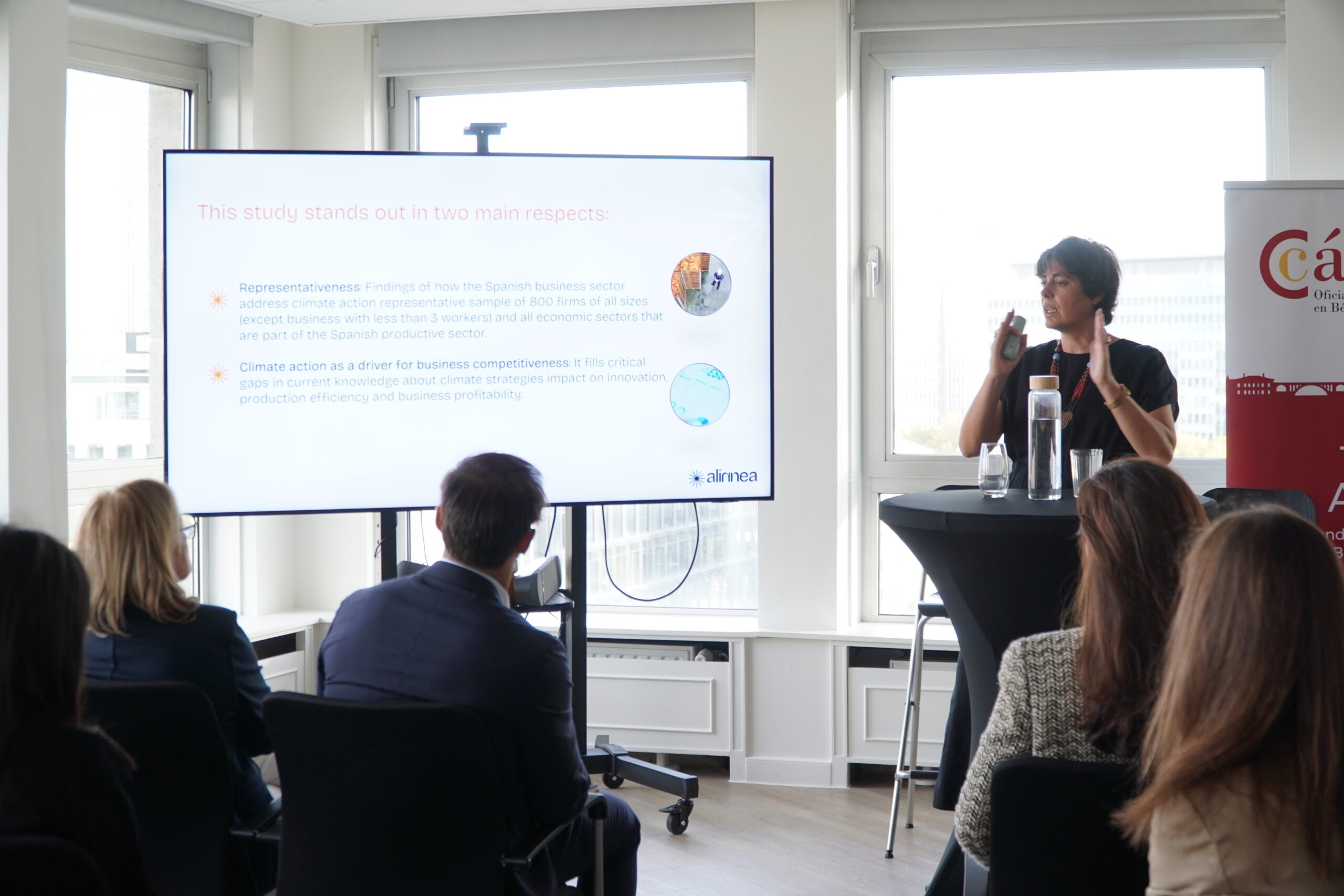
The event took Climate Action in Spanish Companies, the study published by alinnea in 2024, as its starting point. Ana Belén Sánchez, director of alinnea, revisited its main findings to frame the discussion in Brussels and connect them with the current priorities of the European industrial agenda.
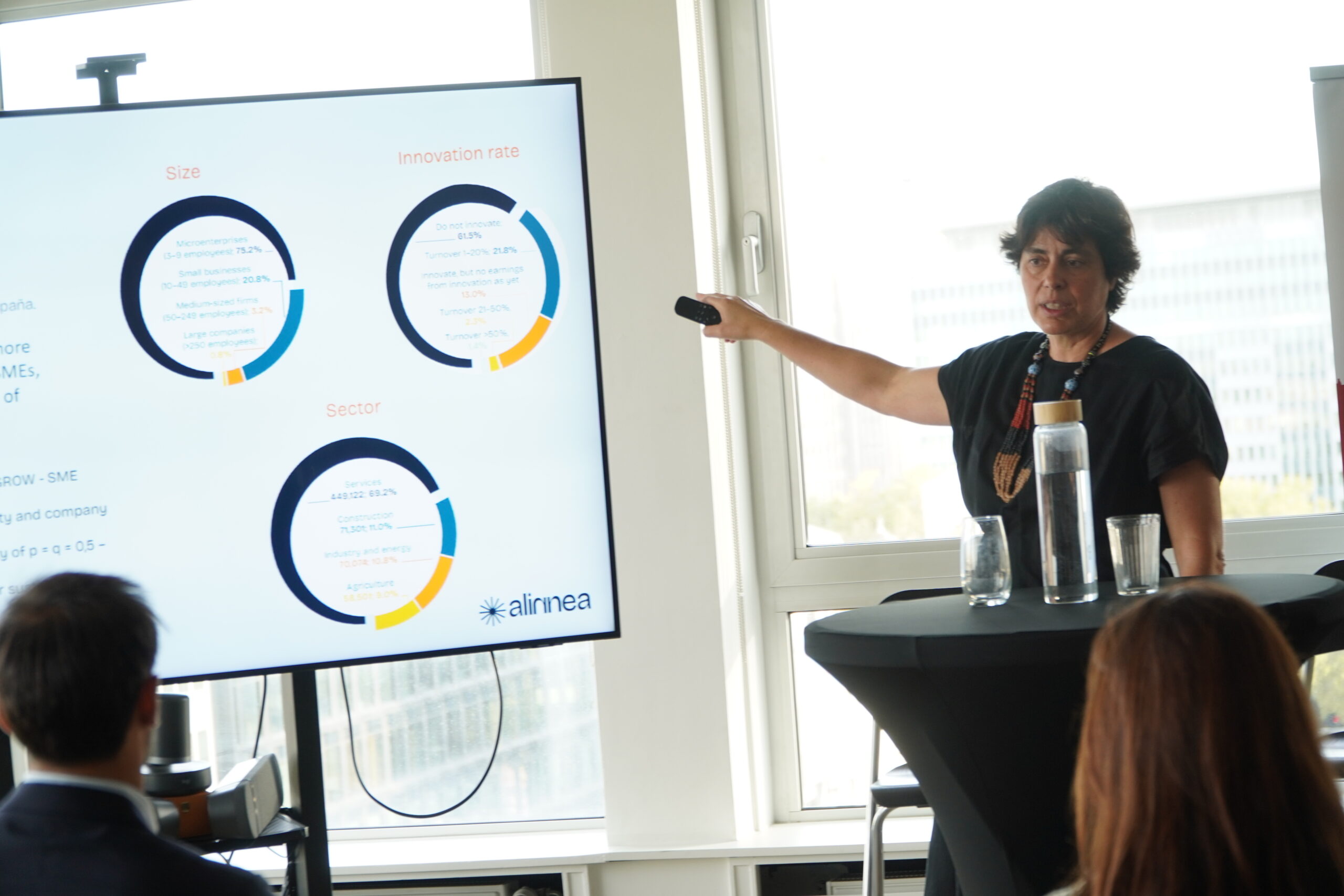
Based on a representative sample of 800 companies, the report examines how Spanish businesses approach climate action and how it affects their competitiveness. Its findings reveal significant differences between large companies and SMEs in their capacity to invest, innovate and obtain benefits from climate measures.
The report highlights the importance of SMEs in the climate transition of the Spanish economy. They account for 99.8% of Spain’s businesses and 61.8% of employment, but have fewer resources and capabilities than large companies to invest, innovate and integrate climate action into their strategies. Although most companies undertake some form of climate initiative, 10.2% — approximately 65,000 businesses — still take no climate action.
The study also identifies the main barriers to progress. Of the companies surveyed, 54.3% called for simpler regulation and administrative procedures, while 53.9% cited the lack of attractive financing for the necessary investments. These findings brought the need to reduce administrative complexity, mobilise investment and develop support instruments tailored to SMEs into the discussion with institutional representatives, financial institutions and innovative companies.
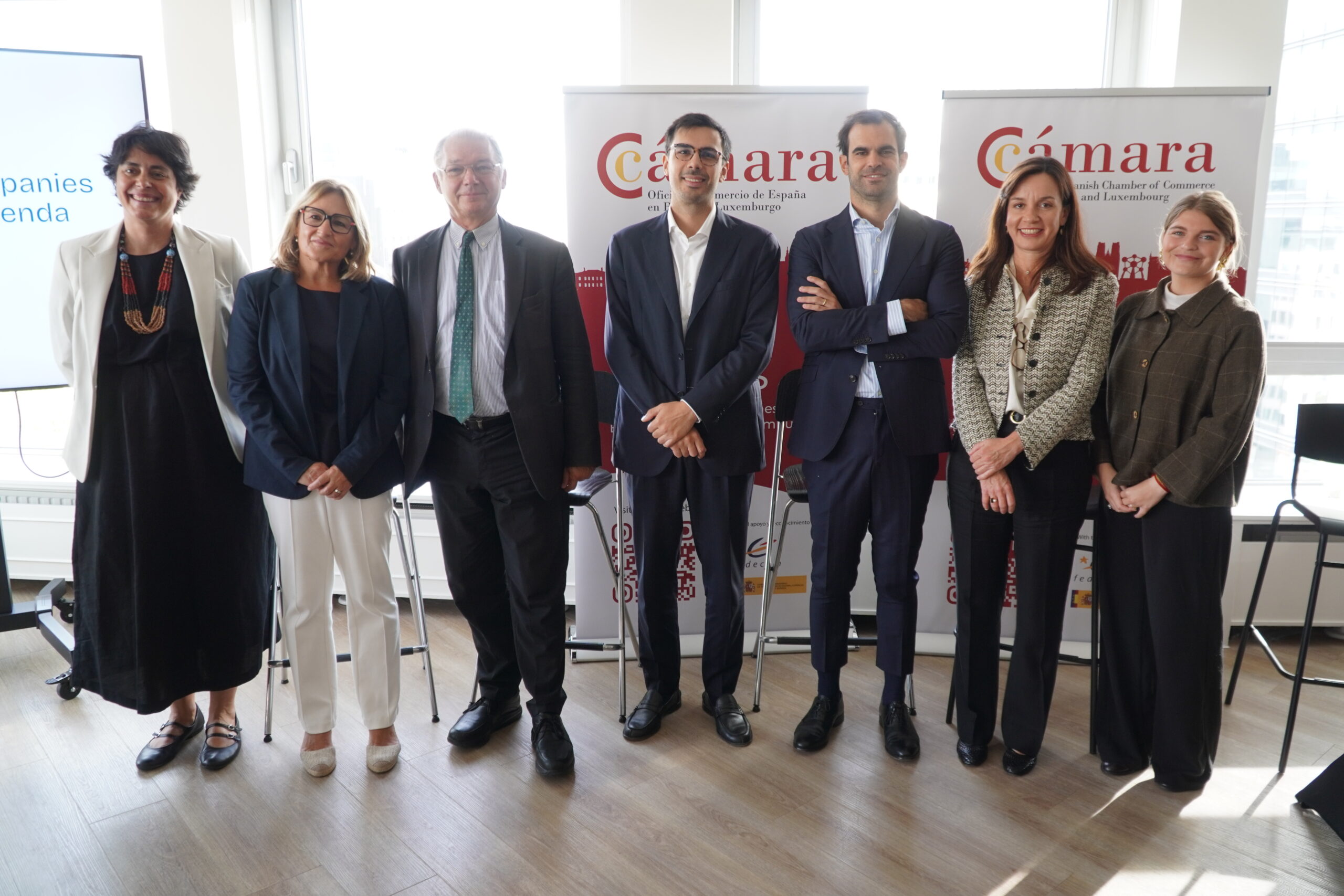
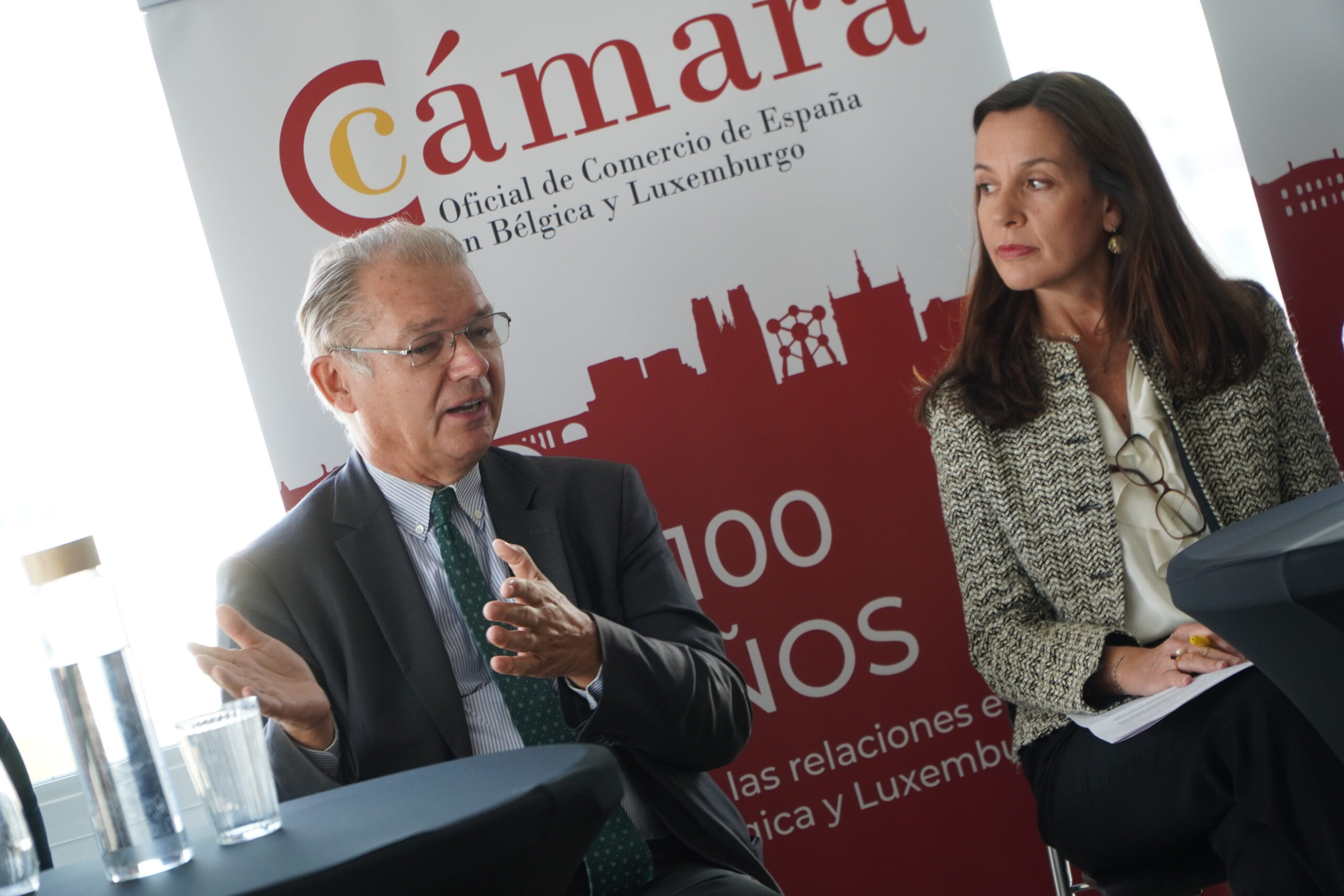
The roundtable brought together Philippe Lamberts, Adviser to the President of the European Commission on Climate Transition and Green Deal implementation; Mónica Peña Sastre, Senior Institutional Policy Advisor at the European Investment Bank; María Teresa Ruiz Costal, Head of Sustainability and European Funds in Ibercaja’s Corporate Banking Division; Carlos Sanz, Chief Operating Officer at Matteco; and Tullio Ambrosone, Coordinator of the IE Brussels Competitiveness Hub. The discussion was moderated by Marián Caro, a public affairs and strategic communications consultant.
Lamberts described Europe as facing a strategic choice between prolonging its dependence on fossil fuels and accelerating the green transition. Challenging the idea that ambitious regulation must necessarily be complex, he argued for rules that are simple, understandable and practical to implement. He also stressed that their design should incorporate the knowledge of businesses and organisations working on the ground.
From the perspective of a technology SME, Sanz explained that administrative burdens reduce the speed and competitiveness of innovative companies. He noted that permitting procedures in Spain can take an average of 18 months and that his company devotes more than 30% of its efforts to bureaucratic tasks. He also called for greater clarity and consistency in European support for innovative technologies, as well as financial instruments tailored to capital-intensive companies.
Ambrosone argued that sustainability and competitiveness are part of the same agenda. Europe already has diagnoses and roadmaps in place, making implementation the current priority. He therefore highlighted the need for coordinated action on simplification, access to capital, energy efficiency, public procurement and the mobilisation of private investment. He also emphasised the role of national governments and the urgency of reducing fragmentation within the single market.
Peña Sastre stressed that climate action and competitiveness must advance together and that a stable, predictable regulatory framework is essential to mobilise investment. She explained that the European Investment Bank has doubled its green financing since 2020 and that it accounted for 60% of its total financing in 2025. The Bank has also strengthened its ambition on adaptation and simplified its processes.
For SMEs, the EIB channels part of its support through financial intermediaries, which it trains to identify green investments and apply European standards. Tools mentioned during the event included Green Checker, which helps determine whether an investment can be classified as green; the development of an equivalent tool for innovation, Innovation Checker; and an initiative aimed at improving energy efficiency in small and medium-sized enterprises.
Ruiz Costal noted that the transition requires private investment as well as public funding, and that financial institutions play an essential role in channelling savings into the economy. She explained that many SMEs struggle to access financing, navigate complex processes and identify projects capable of generating returns. To address these needs, Ibercaja is strengthening its advisory services on projects, markets and public funding, alongside services related to carbon footprint measurement, energy efficiency and the circular economy.
Measuring emissions represents another growing challenge. Although many SMEs are not legally required to report them, the demands of large companies and value chains make it increasingly necessary for them to calculate and communicate their emissions. Technical and financial support will therefore be essential to prevent these companies from being placed at a disadvantage.
The second part of the discussion confirmed that company size affects businesses’ ability to translate climate action into improvements in competitiveness. Lamberts referred to one-stop shops as a useful way of facilitating SMEs’ access to information and support. Sanz noted that speed and the ability to focus are important advantages for SMEs in a global market, but that they need a system that recognises them as strategic players and responds to their needs.
Participants agreed that Europe needs to improve market integration, mobilise investment more effectively and accelerate the implementation of its climate and industrial policies. The discussion also highlighted that this agenda must address citizens’ economic and social concerns if it is to maintain public support for the transition.
Through this event, alinnea brought the findings of its work on climate action in Spanish companies to Brussels and promoted dialogue between European institutions, the financial sector, innovative companies and experts. The event connected the analysis conducted in Spain with the European debate on competitiveness and helped identify concrete conditions for translating climate ambition into action.
The first study in Spain to analyse the real impact of climate initiatives on business competitiveness, including small and medium-sized enterprises.
This report makes an essential contribution to understanding how Spanish companies are addressing the climate transition. Its pioneering approach not only measures the level of corporate climate action but also explores its relationship with competitiveness. Based on a representative sample of 800 companies, the study provides an overview of sustainability strategies across different sectors and company sizes, making it possible to identify barriers, opportunities and mechanisms for effective climate action.