Home / alinnea launches a Working Group on batteries and critical minerals
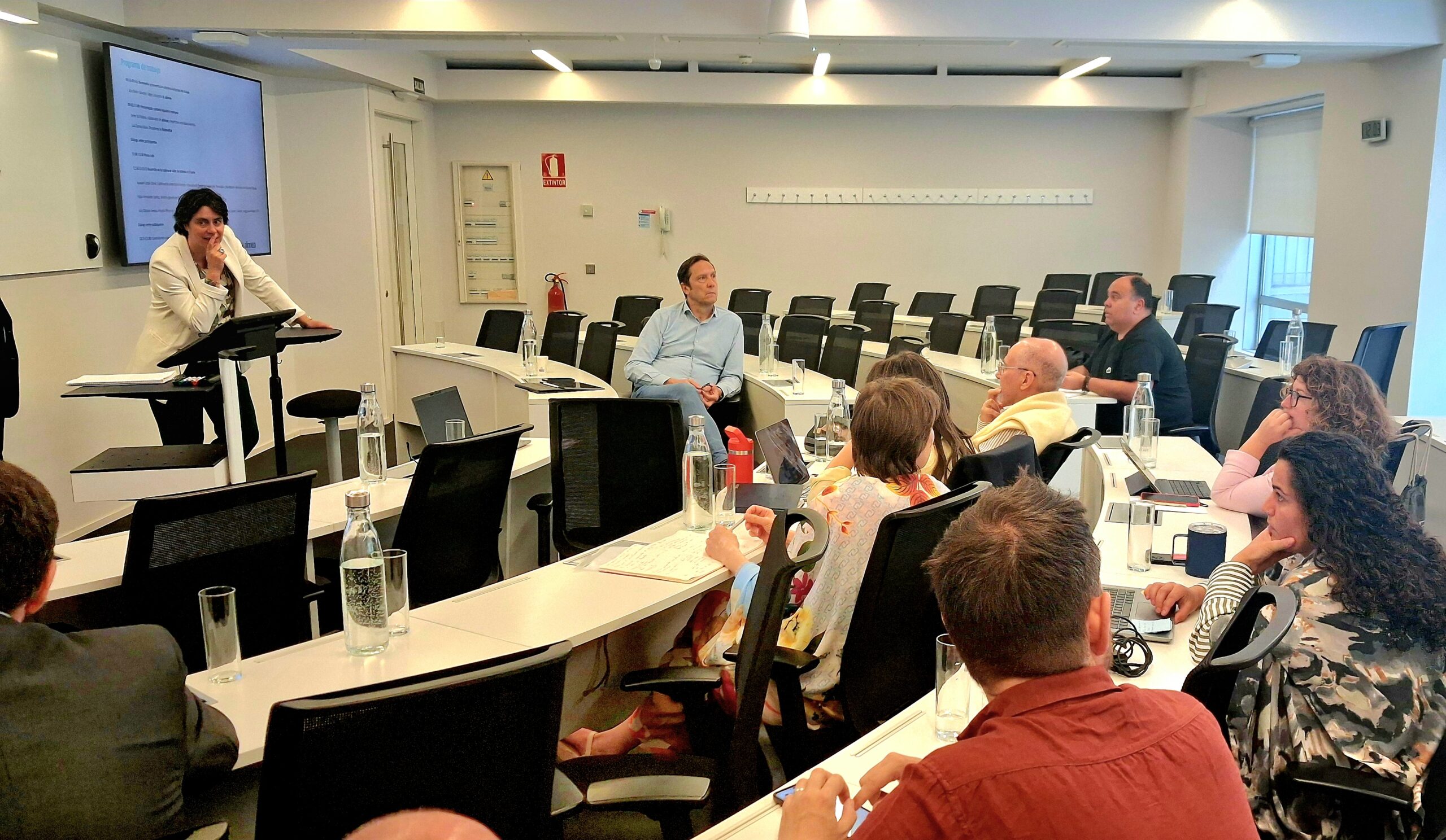
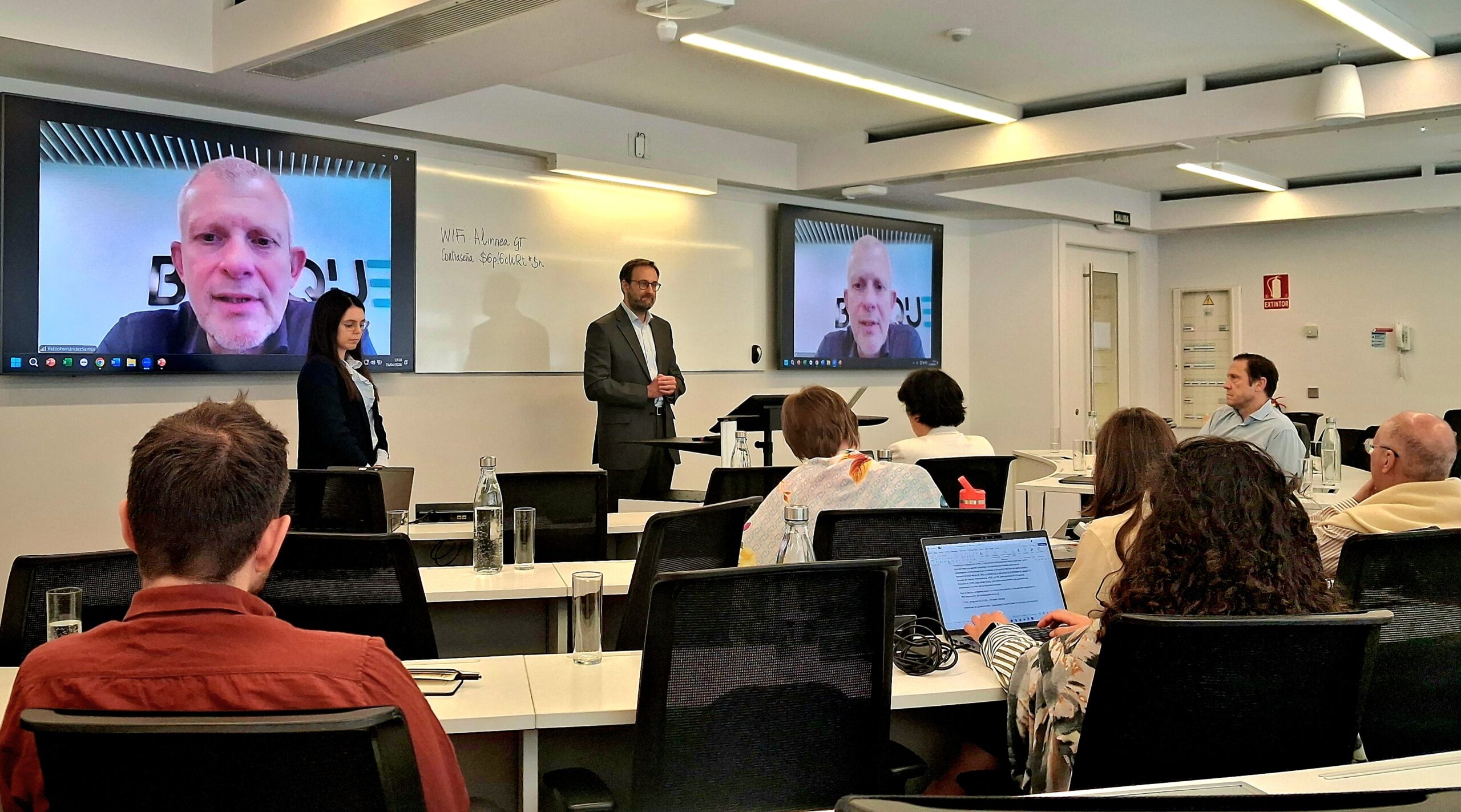
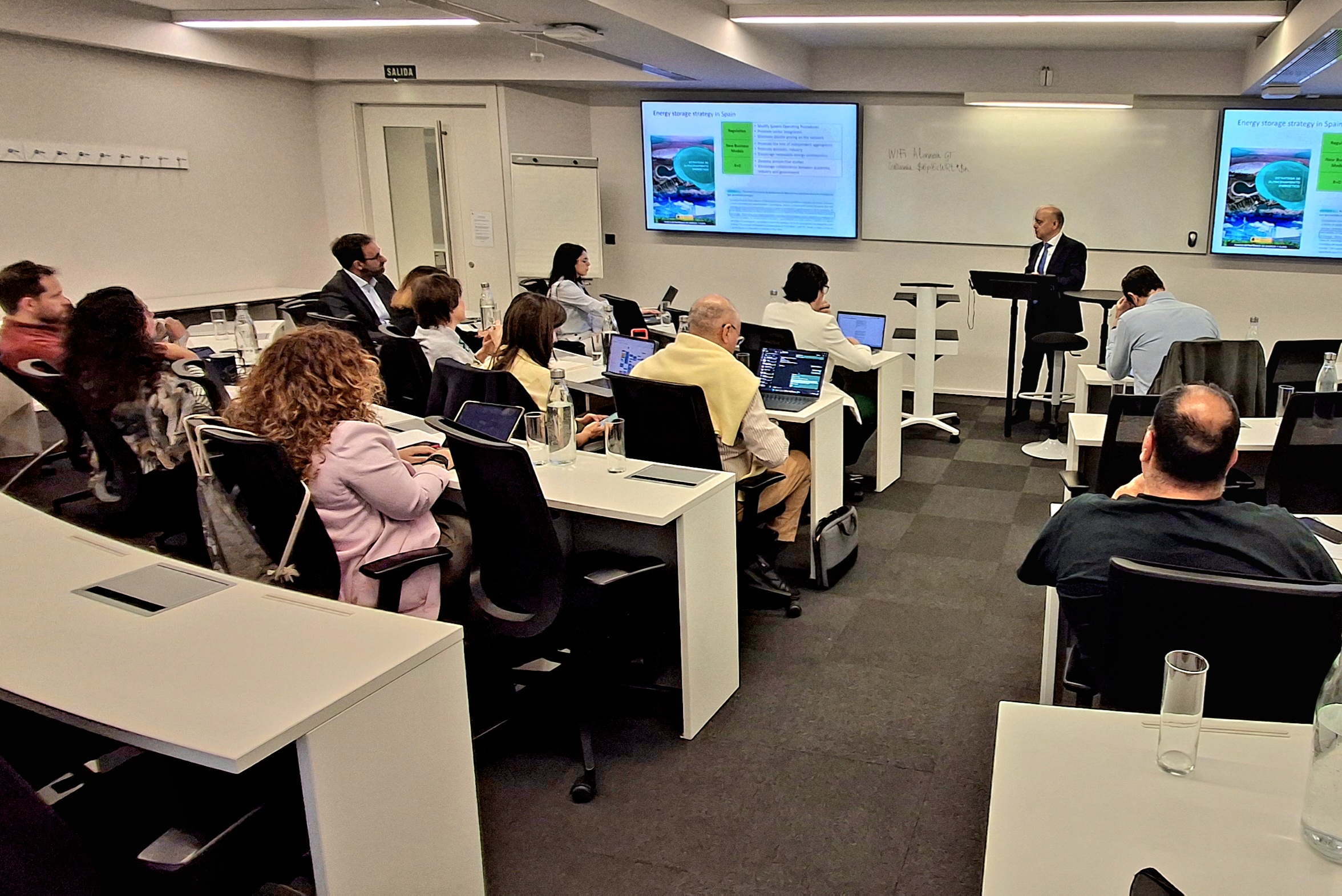
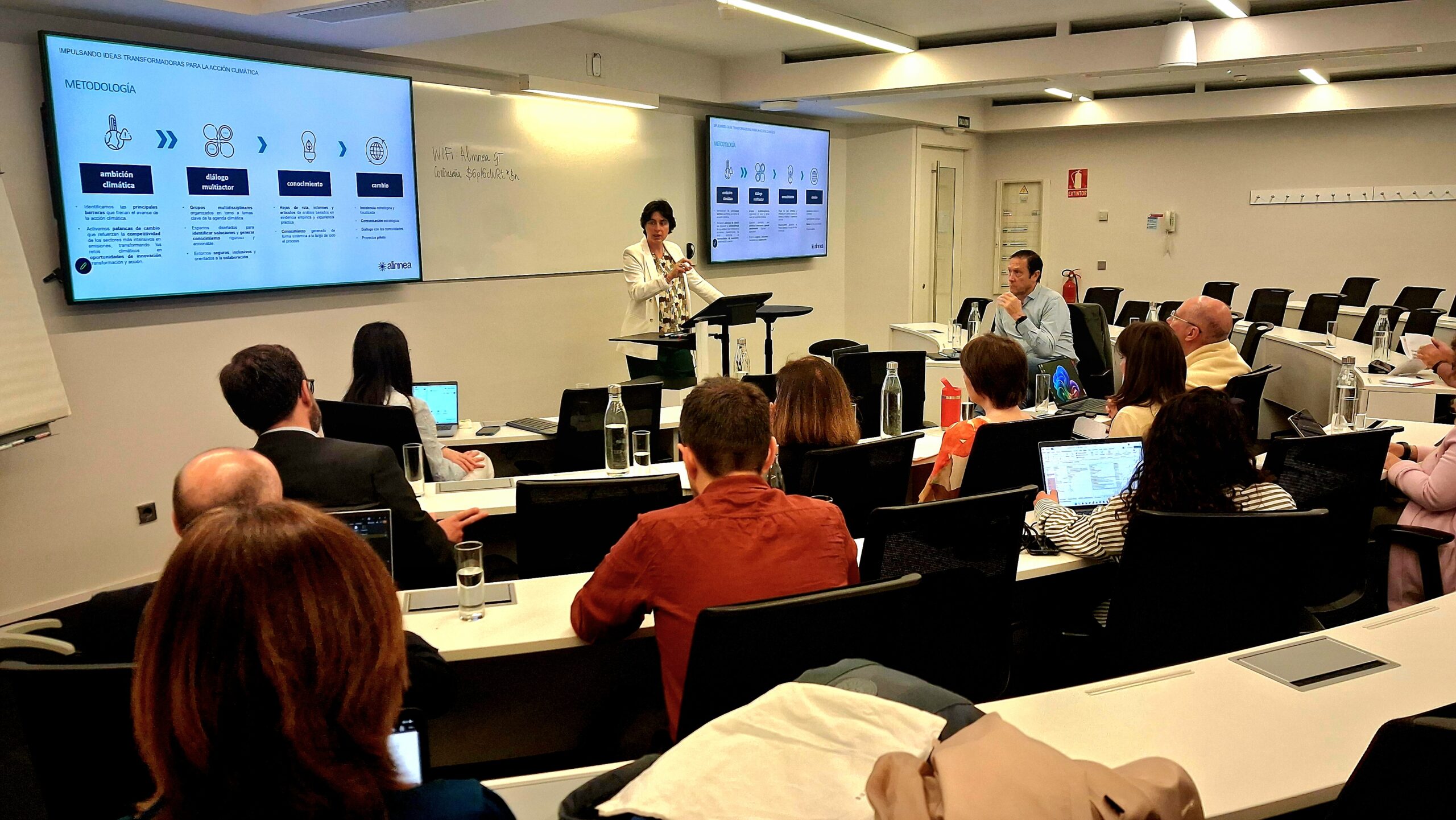
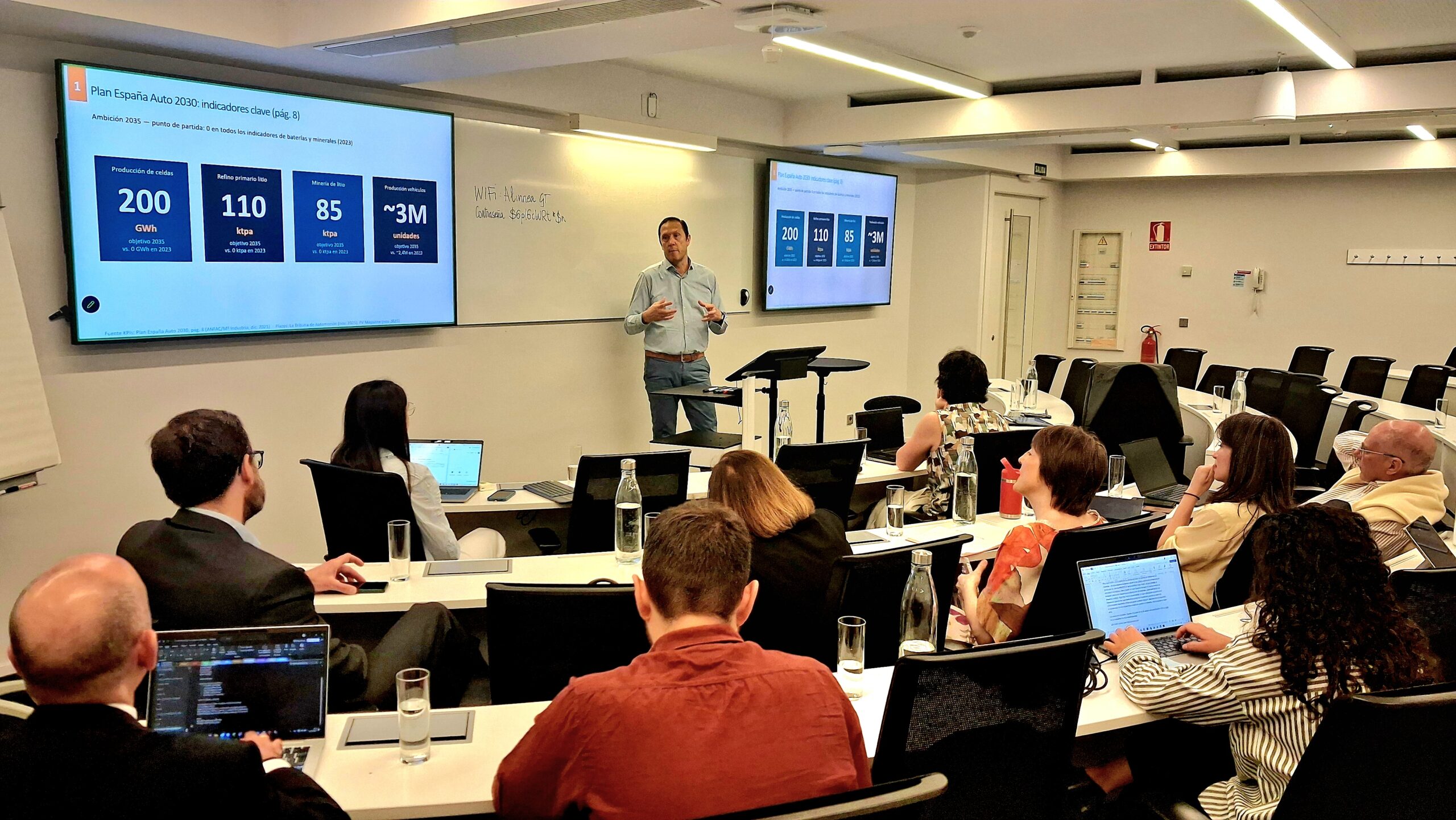
The inaugural session brought together representatives from industry, the energy sector, financial institutions, public administrations, trade unions, environmental organisations and academia, creating a space for analysis and dialogue around one of the key challenges of the industrial and climate transition.
The electrification of transport is one of the cornerstones of Europe’s economic and climate transformation. In this context, batteries and access to critical minerals such as lithium, nickel, cobalt and graphite have become strategic assets for ensuring industrial competitiveness, reducing external dependencies and strengthening Europe’s strategic autonomy.
During the session, participants discussed Spain’s position within the battery value chain, analysing the main challenges related to the availability of raw materials, industrial capacity, financing, regulation and coordination among the different stakeholders involved. The dialogue also focused on the need to develop an integrated value chain capable of capturing the opportunities created by new industrial investments and the growing demand for electric mobility.
One of the main outcomes of the session was the identification of a number of barriers that currently limit the development of a competitive battery and critical minerals value chain in Spain:
These findings highlight the complexity of building a competitive and resilient value chain, as well as the need to combine public policy, innovation, financial instruments and collaboration between governments, industry and civil society.
The working group is part of alinnea’s broader agenda to facilitate evidence-based dialogue and contribute to the development of recommendations that can inform climate action and industrial policy. Its objective is to advance towards a shared roadmap that strengthens the competitiveness of Spain’s battery industry while reinforcing sustainable access to critical raw materials.
Over the coming sessions, the group will explore topics including mining and refining, international supply agreements, recycling, battery technology developments, skills and workforce needs, as well as the regulatory and financial instruments required to support a competitive battery value chain.
Through this process, alinnea reinforces its role as a platform for dialogue and knowledge generation, contributing to the development of solutions that support a more competitive, resilient European battery industry aligned with the climate and strategic objectives of both Spain and the European Union.