Home / EU–China Think Tank Engagement on Green Governance strengthens dialogue on climate cooperation

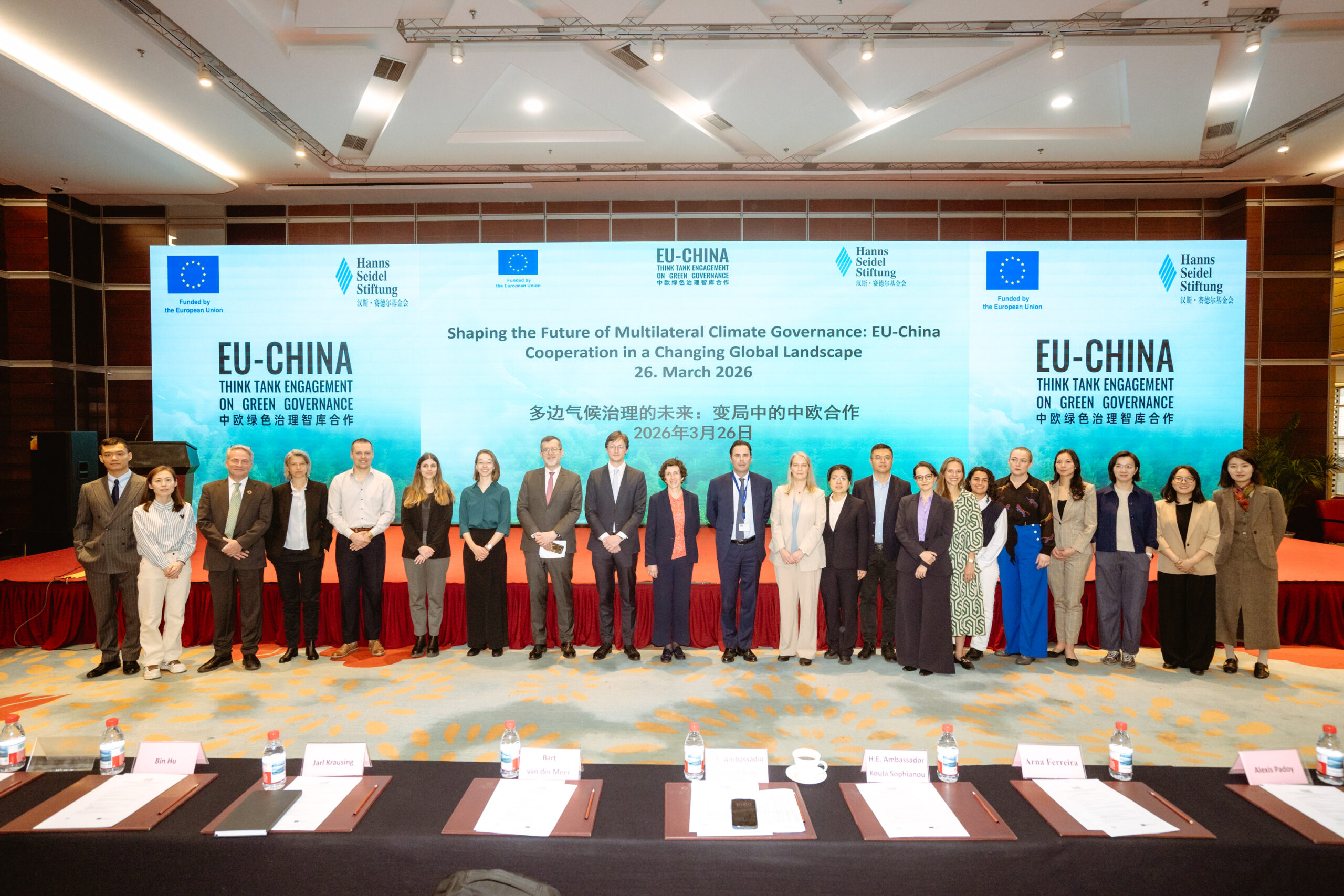
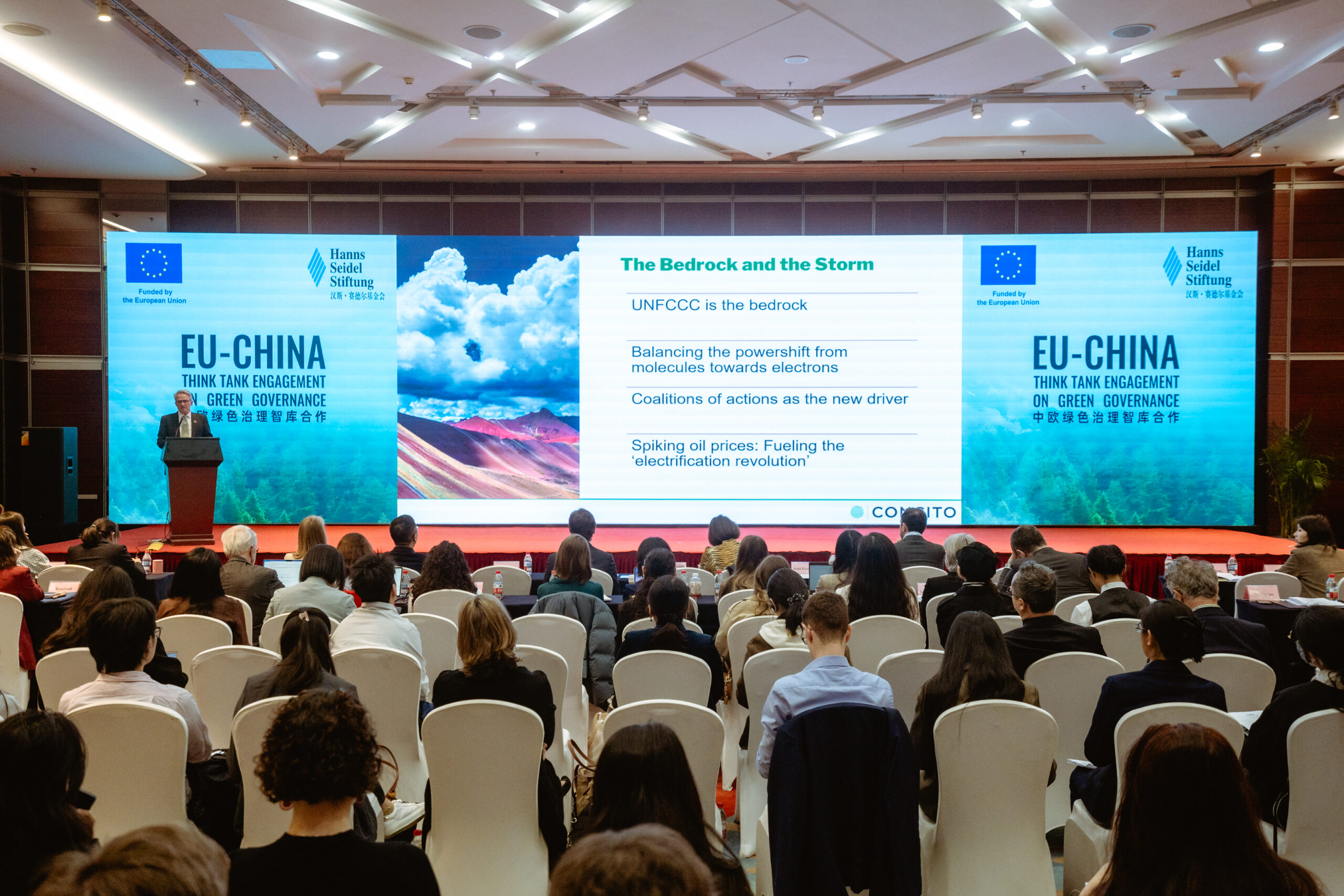
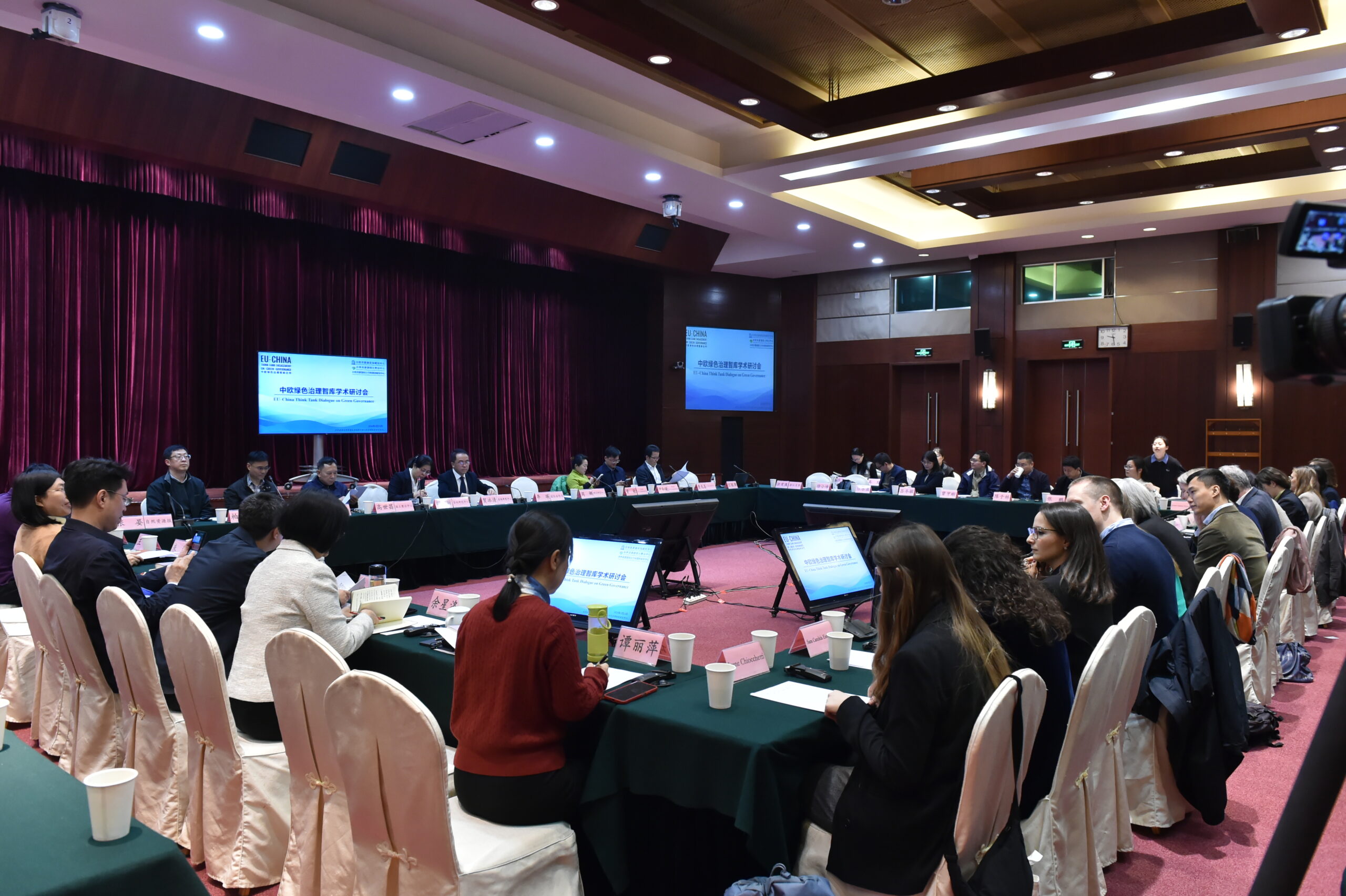
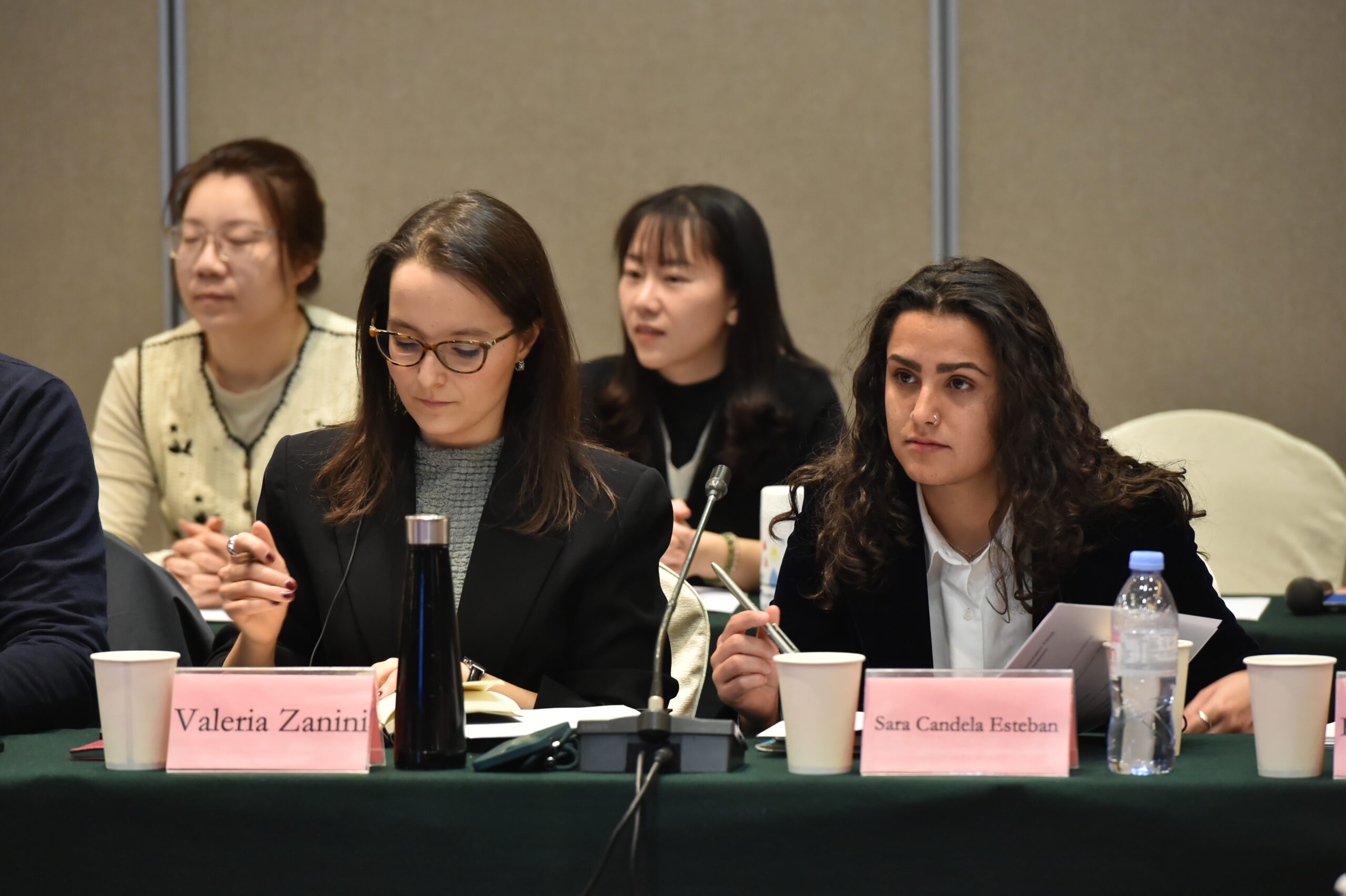
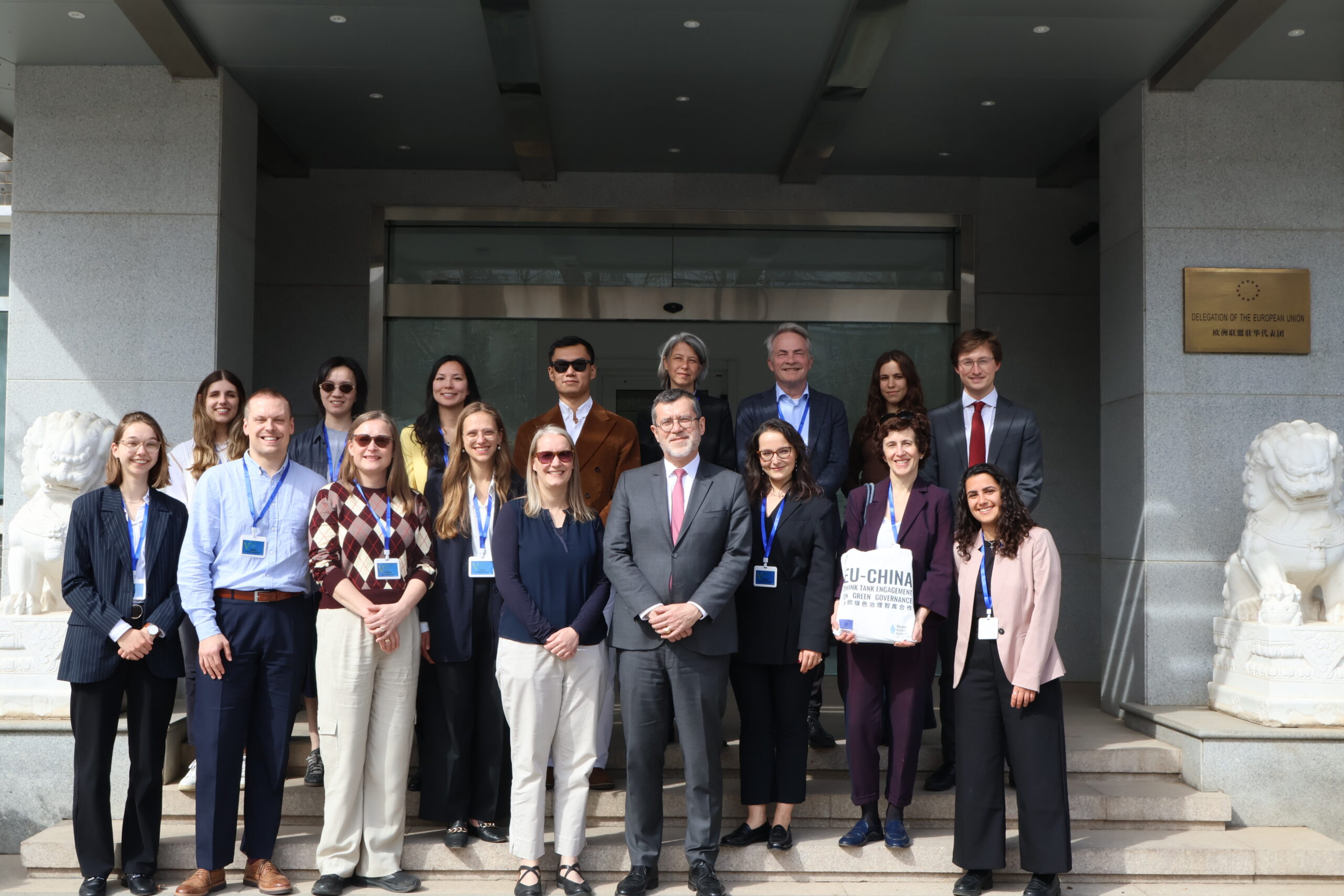
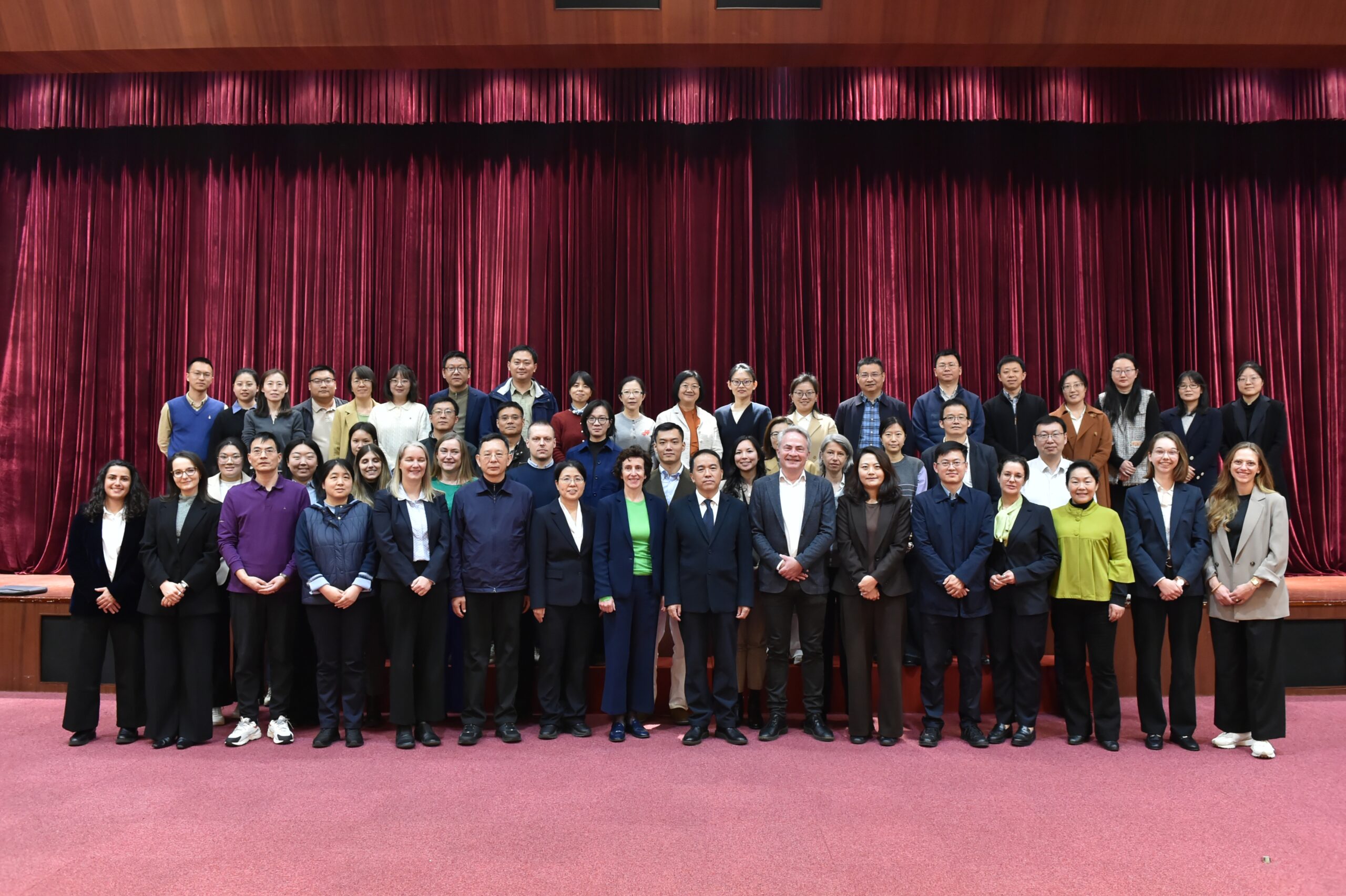
Alinnea participated in the EU–China Think Tank Engagement on Green Governance, held in Beijing in March 2026, bringing together leading think tanks, academic institutions, and policymakers to exchange perspectives on climate governance and the green transition.
Organized with the support of the Hanns Seidel Stiftung Foundation and financed by the European Union, the programme provided a platform to deepen mutual understanding and explore avenues for cooperation between the European Union and China in advancing global climate action. Participants included representatives from France-China Climate Iniciative (France), CONCITO (Denmark), the Clingendael Institute (The Netherlands), Germanwatch (Germany), ECCO (Italy), Centre for Research on Energy and Clean Air (Finland), Institut Barcelona d’Estudis Internacionals (Spain), Institute for European Environmental Policy (Belgium), and the European Climate Foundation (ECF),as well as several departments of the Ministry of Natural Resources of China, combining institutional dialogue with experts sharing experiences on various topics.
The exchange took place at a critical moment for global climate governance. Discussions highlighted both the resilience of the multilateral climate system and the increasing geopolitical tensions affecting cooperation. Participants reaffirmed the central role of the United Nations Framework Convention on Climate Change (UNFCCC) and the Paris Agreement as the cornerstone of international climate action, while recognizing the need to strengthen collaboration in an increasingly complex global landscape.
China’s commitment to green development featured prominently, particularly in the context of its 15th Five-Year Plan, which places climate action and low-carbon transformation among national priorities. The recent adoption of an Ecological and Environmental Code further signals a move towards stronger legal backing for climate policies.
At the same time, the European Union’s evolving policy framework—marked by ambitious decarbonization targets and the development of the European Green Deal—reflects efforts to balance climate ambition with competitiveness, energy security, and industrial policy.
Discussions underscored diverging yet complementary trends in both regions. While the EU continues to pursue its target of reducing emissions by at least 55% by 2030 and achieving climate neutrality by 2050, challenges remain, particularly in reducing fossil fuel dependence and accelerating clean energy deployment.
China, meanwhile, is entering a new phase in its transition. Recent developments indicate that renewable energy capacity is increasingly meeting electricity demand, with clean energy emerging as a major driver of economic growth. The expansion of China’s emissions trading system (ETS)—now covering a significant share of national emissions—was highlighted as a key instrument in supporting decarbonization efforts.
Despite progress, both sides acknowledged ongoing challenges, including the pace of fossil fuel phase-out, the need for enhanced storage capacity, and uncertainties linked to carbon intensity targets.
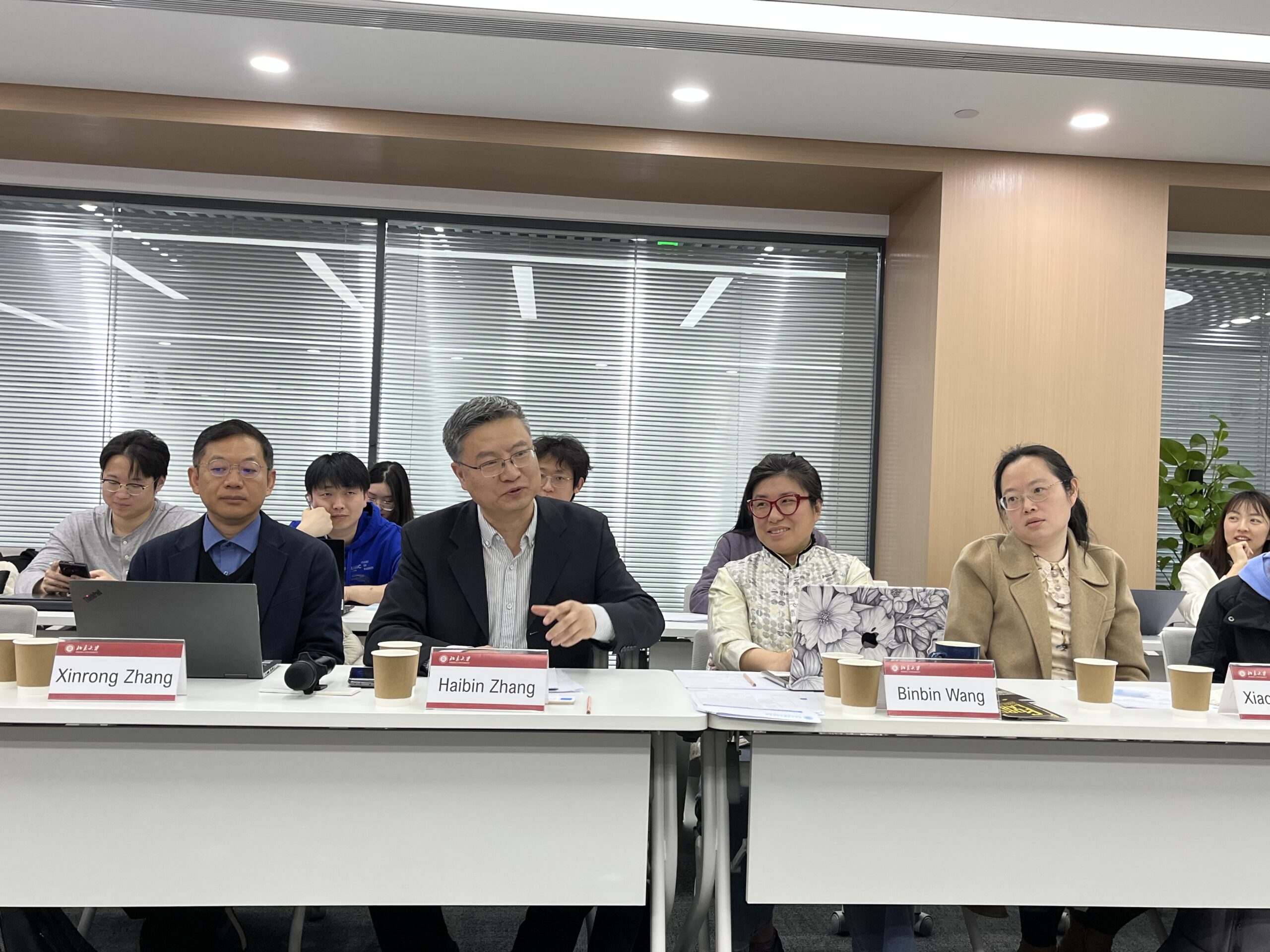
Throughout the programme, participants engaged in exchanges on global climate governance, energy transition pathways, and industrial decarbonization, including dedicated sessions at Peking University’s Institute of Carbon Neutrality and the Development Research Center of the State Council.
A recurring theme was the importance of rebuilding mutual trust and ensuring clearer policy signals to enable effective collaboration. While differences remain, several areas for potential cooperation were identified, including:
The discussions also highlighted the growing importance of think tanks as convening spaces to bridge perspectives, facilitate dialogue, and generate evidence-based policy recommendations.
The programme also included exchanges with international experts, including a climate dialogue hosted by the German Embassy in Beijing. Discussions pointed to the need to address not only environmental challenges but also social and economic dimensions of the transition, including inequality, well-being, and the limitations of GDP as a sole measure of progress.
Participants stressed that achieving a sustainable transition will require more inclusive economic models, as well as stronger integration of social considerations into climate policies.
The EU–China Think Tank Engagement reaffirmed the importance of continued dialogue and knowledge exchange in navigating the complexities of the global green transition. As both regions advance their respective climate strategies, strengthening cooperation will be essential to support multilateralism and accelerate global climate action.